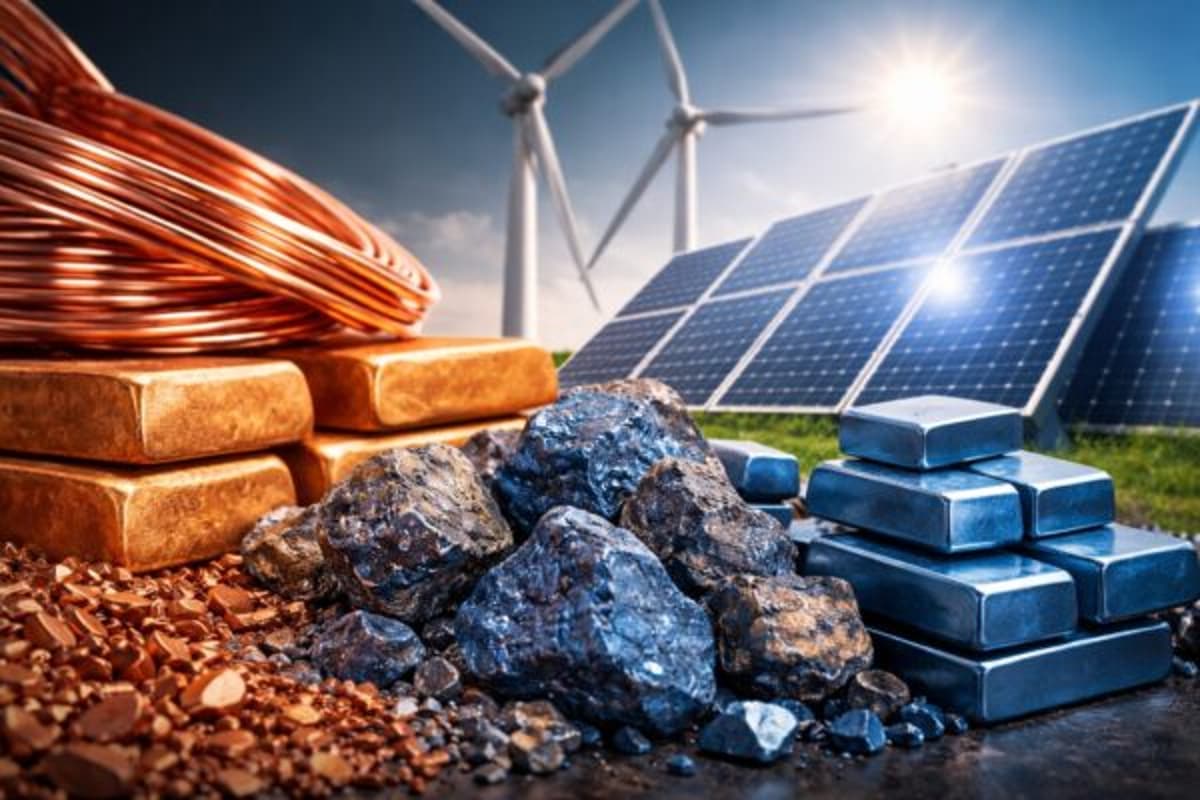
Copper, Cobalt and Kilowatts: The Energy Equation Shaping the Copperbelt
Key Takeaways
- •Diesel generation costs $0.15‑$0.50/kWh, hitting upper range in Copperbelt
- •Solar‑battery hybrids can supply power for $0.06‑$0.20/kWh
- •Hybrid adoption could cut electricity costs by 50‑70% per kWh
- •First Quantum and Barrick already piloting large‑scale solar projects
- •Power‑as‑a‑service deals lower upfront capital for renewable integration
Pulse Analysis
For decades the Copperbelt’s copper and cobalt mines have depended on diesel generators as a safety net against unreliable hydropower. The recent surge in Brent crude—pushed above $100 per barrel by Middle‑East tensions and supply‑chain bottlenecks—has turned diesel from a predictable expense into a volatile liability. In remote Zambian and DRC sites, transporting fuel adds another premium, pushing generation costs to $0.15‑$0.50 per kilowatt‑hour. Those numbers erode operating margins and make long‑term planning increasingly uncertain, prompting executives to reassess their energy strategy.
Renewable hybrid systems are now financially attractive. Solar‑photovoltaic farms paired with battery storage can deliver electricity at $0.06‑$0.20 per kilowatt‑hour in many African locales, while a diesel‑solar blend typically ranges from $0.08 to $0.25 per kilowatt‑hour. First Quantum’s Kansanshi Mine and Barrick’s Lumwana operation have already commissioned multi‑megawatt solar arrays, cutting diesel draw and stabilising supply. Modelling suggests a mine currently paying $0.30/kWh on diesel could halve its energy bill to $0.15/kWh with a hybrid, and in optimal solar zones the cost could approach $0.10/kWh. The resulting 50‑70% savings reshape the cost base of copper production.
The capital hurdle that once slowed renewable uptake is easing through power‑purchase agreements and energy‑as‑a‑service contracts, which shift upfront costs to third‑party investors. Advanced control algorithms now enable seamless load‑following between diesel, solar and storage, preserving reliability while maximizing fuel efficiency. Beyond the balance sheet, hybrid systems cut scope‑1 emissions, helping miners meet ESG targets and avoid carbon‑pricing penalties. As global copper demand climbs and buyers prioritize low‑carbon supply chains, mines that secure a diversified, cost‑stable power mix will gain a competitive edge, while those clinging to diesel risk margin compression and operational risk.
Copper, Cobalt and Kilowatts: The Energy Equation Shaping the Copperbelt
Comments
Want to join the conversation?