Deep Sea Minerals’ James Deckelman on the Next Critical Minerals Frontier
Key Takeaways
- •Deep Sea targets polymetallic nodules in Clarion‑Clipperton Zone and Cook Islands
- •Company raised C$4.2 million private placement, remains debt‑free
- •Seabed mining avoids blasting, tailings, freshwater use, and deforestation
- •U.S.–Cook Islands agreement validates strategic interest in seabed minerals
- •Deep Sea aims to be second seabed miner after The Metals Company
Pulse Analysis
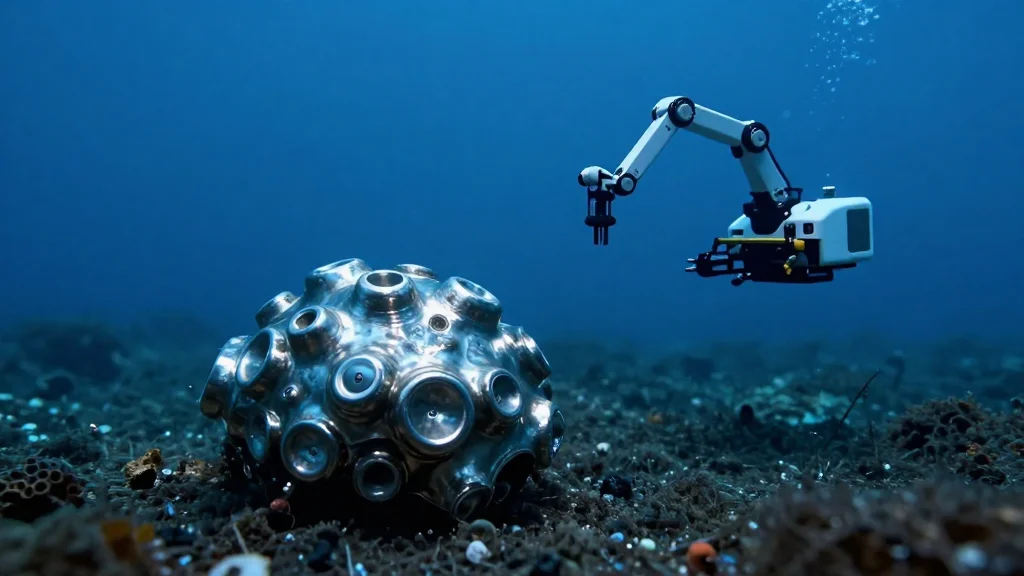
The race for critical minerals is spilling into the ocean’s abyss as traditional mines face lower ore grades and longer permitting cycles. Polymetallic nodules—potato‑sized deposits rich in nickel, copper, cobalt and rare earths—offer a high‑density source that can be harvested without the environmental scars of land‑based extraction. Industry analysts see seabed mining as a strategic hedge against supply disruptions, especially for technologies such as electric vehicles and renewable‑energy storage that rely on these metals.
Deep Sea Minerals is leveraging this momentum by targeting two geopolitically favorable regions. In the Clarion‑Clipperton Zone, a vast expanse of the Pacific seabed, the company plans to apply proven harvesting technology that lifts nodules without blasting or tailings ponds. Simultaneously, the Cook Islands partnership benefits from a recent U.S.‑Cook Islands strategic cooperation agreement, which streamlines regulatory pathways and underscores the islands’ role in securing critical mineral supplies. The C$4.2 million private placement—oversubscribed and debt‑free—provides the capital needed to file licenses, cover administrative costs and build a multidisciplinary team.
Investors are watching the sector closely because successful commercialization could reshape the global minerals supply chain. Deep Sea’s positioning as the second publicly listed seabed miner offers a rare entry point for capital seeking exposure to this nascent market. While environmental groups remain cautious, the company’s claim of minimal ecological disturbance—no blasting, no freshwater consumption, no deforestation—addresses many of the traditional mining concerns. If Deep Sea can translate its financing into operational permits and first harvests, it may set a template for a new, ocean‑based critical minerals industry.
Deep Sea Minerals’ James Deckelman on the Next Critical Minerals Frontier
Comments
Want to join the conversation?