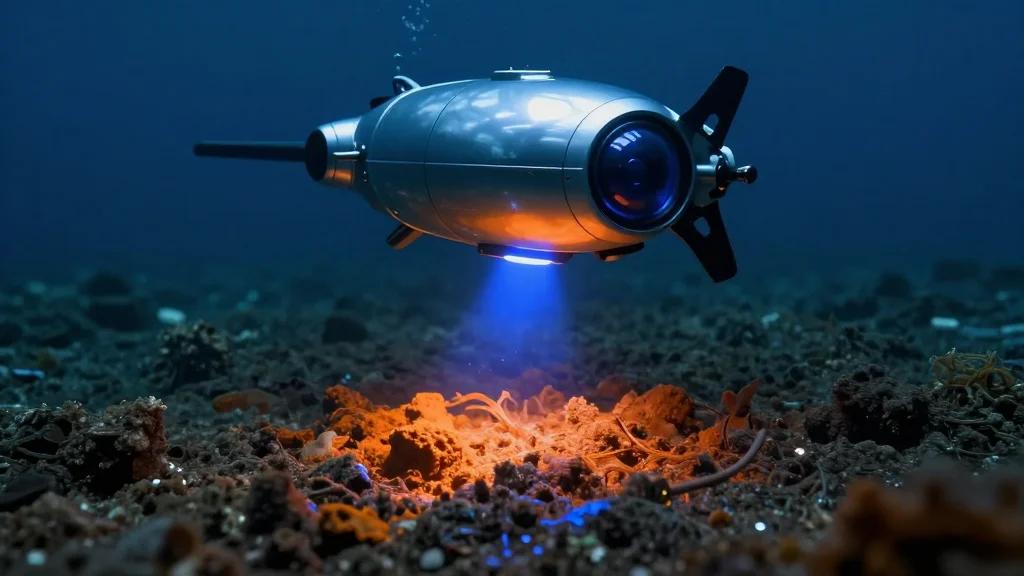
Deep Sea Mining of Rare Earths.
Key Takeaways
- •Japan targets deep‑sea sediments near Minamitorishima for heavy REEs.
- •Dredging tests show viable extraction of fish‑bone apatite minerals.
- •Deep Reach Technology provides specialized equipment for multi‑kilometer seabed mining.
- •U.S. government evaluating funding to diversify rare‑earth supply chain.
- •Project backs Japan’s Franco‑Japanese heavy‑REE plant, reducing China reliance.
Pulse Analysis
Rare‑earth elements (REEs) are the backbone of modern technology, from smartphones to electric‑vehicle motors, yet global supply is dominated by China. Japan, the world’s second‑largest REE consumer, has long struggled to secure domestic sources, prompting a multi‑pronged approach that includes offshore sediment mining, a heavy‑REE separation facility in France, and an ionic‑adsorption clay venture in Malaysia slated for 2026. By tapping the mineral‑rich layers of fish‑bone apatite that have accumulated on the ocean floor for millions of years, Japan hopes to capture heavy REEs such as dysprosium and yttrium, which are critical for high‑performance magnets.
The technical feasibility of deep‑sea sediment extraction has improved dramatically thanks to advances in analytical chemistry and dredging engineering. Deep Reach Technology, led by Dr. John Halkyard, has demonstrated the ability to pump fine‑grained, microcrystalline material from depths of 1,000‑5,000 meters to surface processing vessels, where dewatering yields a concentrate ideal for downstream beneficiation. This approach sidesteps the low‑grade manganese nodule deposits that lack REEs and leverages existing expertise in ultra‑deep‑water operations, making the venture economically attractive despite the logistical challenges of operating miles beneath the surface.
Geopolitically, the initiative aligns with U.S. and allied interests in diversifying critical‑material supply chains away from Beijing. American officials are reportedly assessing financial support for the project, viewing it as a complementary backup to the Franco‑Japanese heavy‑REE plant. If successful, the venture could reshape the global REE market, introduce a new source of heavy REEs, and strengthen the strategic autonomy of technology‑dependent economies. Anticipated production timelines suggest pilot‑scale output could begin within the next few years, positioning Japan and its partners at the forefront of next‑generation rare‑earth sourcing.
Deep sea mining of rare earths.
Comments
Want to join the conversation?