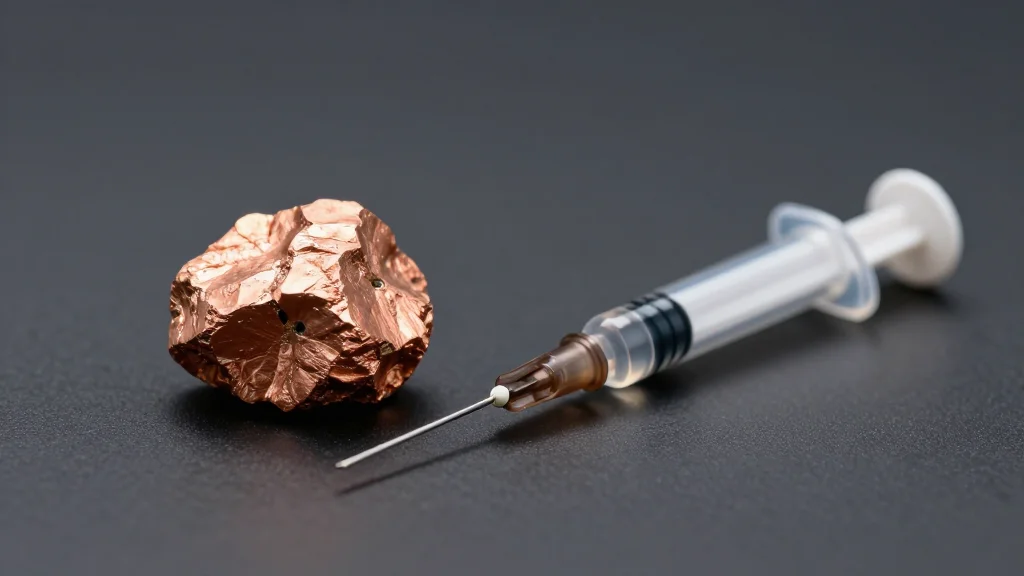
Demanding Minerals in Exchange for Lives in Zambia
Key Takeaways
- •U.S. draft memo links HIV aid to Zambia mineral access.
- •Over 1.2 million Zambians could lose PEPFAR treatment.
- •Zambia aims to triple copper output by 2031.
- •NGOs and PEPFAR chief protest the aid‑for‑minerals scheme.
Pulse Analysis
The United States has intensified its hunt for critical minerals needed to power the global clean‑energy shift, and Zambia sits at the center of that quest. With copper, cobalt, nickel, lithium and graphite in its ground, the land‑locked nation hopes to triple copper production by 2031 and become a hub for the next wave of renewable‑technology supply chains. Washington’s strategy, however, has moved beyond market incentives toward coercive diplomacy, using decades‑old health programs as bargaining chips to secure mining concessions.
If the draft State Department memo proceeds, more than 1.2 million Zambians could lose access to antiretroviral therapy, tuberculosis treatment and malaria medication funded by PEPFAR. The program, launched in 2003, has saved over 26 million lives worldwide and remains a cornerstone of U.S. soft power in Africa. The resignation of PEPFAR’s chief science officer underscores the ethical breach perceived by global health experts, who argue that weaponizing aid undermines both public‑health outcomes and long‑term strategic interests.
Beyond the immediate health fallout, the episode threatens to damage U.S. standing across the continent. African partners may view the approach as a modern form of colonial extraction, prompting a backlash that could close doors to future investment and cooperation. Critics advocate for transparent, mutually beneficial mineral agreements that prioritize environmental safeguards and local development, rather than extortion. A shift toward such a model would preserve humanitarian gains while still securing the critical resources needed for the energy transition.
Demanding minerals in exchange for lives in Zambia
Comments
Want to join the conversation?