Dig, Baby, Dig: What It Means for Canada to Build the Mines Its ‘Clean’ Future Depends on – by Falice Chin (The Hub – April 2026)
Key Takeaways
- •Canada needs 30 million tonnes of critical minerals by 2030
- •Domestic mining can reduce reliance on geopolitically risky imports
- •Regulatory reforms aim to cut permitting times by 50%
- •Indigenous partnerships are essential for project social license
Pulse Analysis
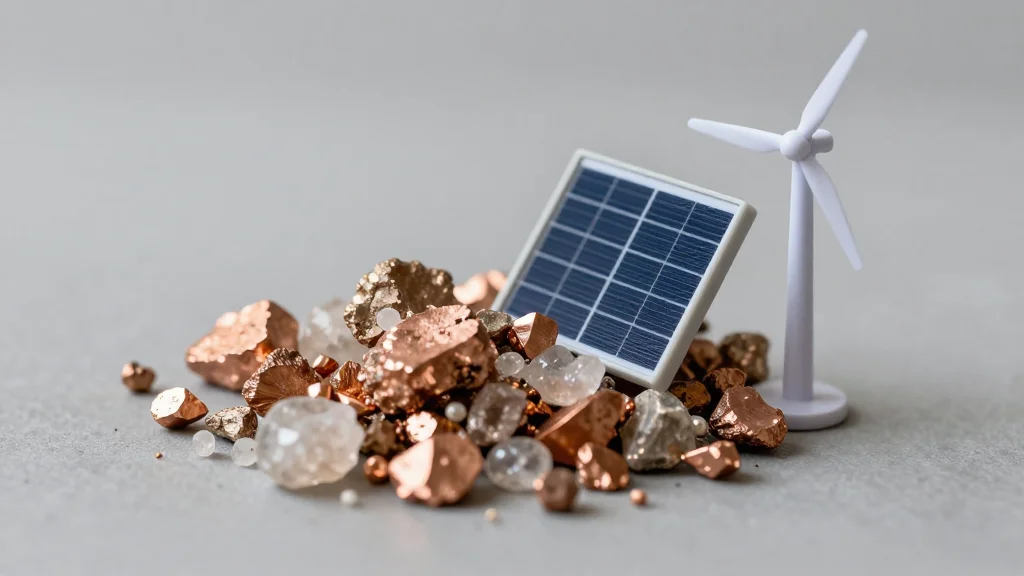
The push to decarbonize Canada’s power grid has exposed a glaring gap: the country’s own mining capacity for the minerals that power batteries, wind turbines and solar panels. While wind and solar farms can be built quickly, the raw materials they require—lithium for storage, nickel for batteries, and rare earths for generators—must be extracted, refined and shipped. Canada sits on some of the world’s richest deposits, yet current output satisfies only a fraction of projected demand, forcing developers to import from regions with volatile political climates and less stringent environmental oversight.
Policy makers are now confronting a trade‑off between accelerating clean‑energy projects and managing the environmental and social impacts of expanded mining. Recent proposals aim to streamline the permitting process, cutting approval timelines by up to half, and to create a federal‑provincial task force focused on critical mineral supply chains. At the same time, Indigenous groups are demanding meaningful participation and benefit‑sharing agreements, recognizing that a social licence is as crucial as regulatory clearance. Successful collaboration could set a template for responsible resource development that balances economic growth with community stewardship.
For investors and industry leaders, the message is clear: the next wave of renewable infrastructure will be underpinned by a robust domestic mining sector. Companies that secure early access to Canadian ore bodies, invest in downstream processing, and forge strong Indigenous partnerships are likely to capture a competitive edge. As global demand for clean‑energy technologies surges, Canada’s ability to turn its mineral wealth into a strategic advantage will determine whether it leads or lags in the worldwide energy transition.
Dig, baby, dig: What it means for Canada to build the mines its ‘clean’ future depends on – by Falice Chin (The Hub – April 2026)
Comments
Want to join the conversation?