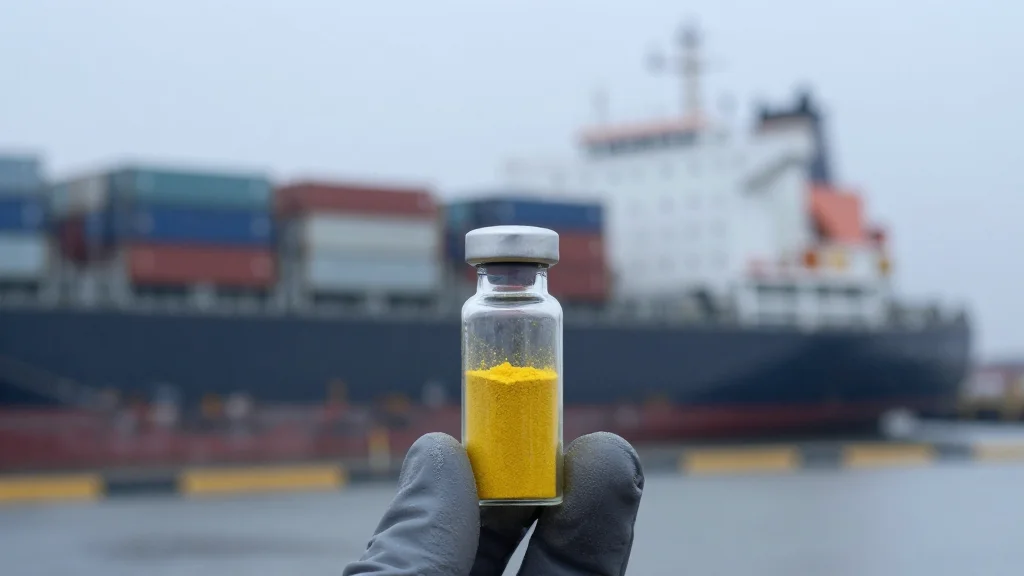
EU Ban on Russian Uranium to Boost Canadian Exports – by Andreas Walstad (Mining.com – May 18, 2026)
Key Takeaways
- •EU seeks to ban Russian uranium, mirroring energy sanctions
- •Russia supplies roughly one‑quarter of EU enrichment services
- •Canada provides over 30% of EU uranium imports
- •Cameco poised to capture additional European demand
Pulse Analysis
The European Union’s push to cut Russian uranium mirrors its broader energy decoupling strategy, which has already targeted oil, gas, and coal. While uranium represents a smaller share of overall energy imports, its strategic importance is amplified by the continent’s reliance on nuclear power for low‑carbon electricity. By ending contracts with Rosatom, the EU aims to mitigate geopolitical risk and align its nuclear fuel supply with allied partners, a policy shift that could be formalized by the end of 2026.
For Canadian producers, the policy change is a catalyst for growth. In 2024, Canada supplied more than 30% of the EU’s uranium, a figure that already eclipses any other single source. Companies like Cameco stand to benefit from heightened demand, potentially translating into multi‑billion‑dollar revenue lifts as European utilities scramble to diversify contracts. The market may also see increased investment in Canadian mining projects, infrastructure upgrades, and downstream conversion capacity to meet tighter delivery schedules.
The broader nuclear fuel market will feel the ripple effects of an EU‑wide ban. Diversification away from Russian enrichment could tighten global supply, nudging spot prices upward and prompting other non‑EU buyers to explore Canadian or Kazakh sources. At the same time, the policy may accelerate research into alternative fuel cycles and fuel‑fabrication technologies, fostering a more resilient and competitive nuclear ecosystem worldwide.
EU ban on Russian uranium to boost Canadian exports – by Andreas Walstad (Mining.com – May 18, 2026)
Comments
Want to join the conversation?