How Northern Ontario Researchers Are Using Bacteria-Powered Tech to Extract Critical Minerals From Mine Waste – by Faith Greco (CBC News Sudbury – April 8, 2026)
Key Takeaways
- •MIRARCO's 10,000‑sq‑ft pilot tests microbes on legacy tailings.
- •Targeted metals include nickel, cobalt and copper for battery supply.
- •Bioleaching operates at ~30 sites worldwide but not yet commercial in Canada.
- •Scaling could turn waste rock into a domestic critical‑minerals source.
- •Successful rollout may cut greenhouse‑gas emissions versus traditional smelting.
Pulse Analysis
Bioleaching, the use of naturally occurring bacteria to leach metals from ore, has become a mainstay in mining districts from Chile to Indonesia. The process exploits acid‑producing microbes that dissolve sulfide minerals, allowing metals to be recovered in solution without the high‑temperature smelting steps that drive up energy use and emissions. As the global push for electric‑vehicle batteries intensifies, demand for nickel, cobalt and copper has surged, prompting governments and firms to seek greener, more resilient supply chains. Canada, despite its rich mineral endowment, lags behind peers in commercializing this technology, making the Sudbury pilot a critical test case.
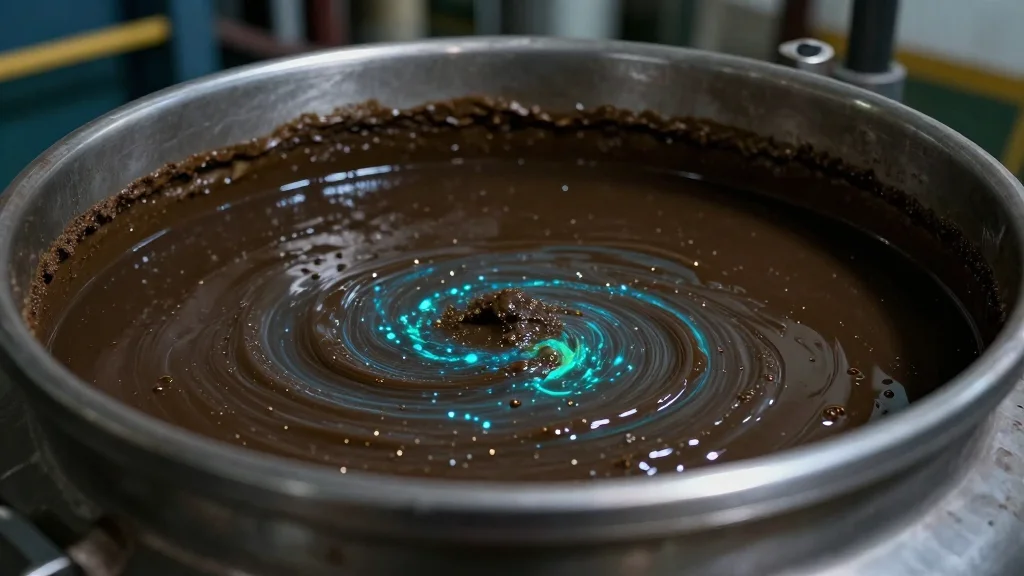
MIRARCO’s facility leverages a consortium of acidophilic bacteria refined at Laurentian University’s labs. Tailings from historic Sudbury mines—once a liability due to their sheer volume and environmental risk—are fed into bioreactors where the microbes generate sulfuric acid, breaking down the rock matrix and releasing target metals. Early data suggest recovery rates comparable to conventional hydrometallurgical methods, but with a fraction of the energy input and a markedly lower greenhouse‑gas footprint. The pilot also incorporates real‑time monitoring and automated pH control, addressing scalability concerns that have hampered earlier projects.
If the Sudbury experiment proves economically viable, it could reshape Canada’s critical‑minerals strategy. A domestic bioleaching industry would lessen dependence on imports from geopolitically sensitive regions, bolster the country’s EV battery ecosystem, and create a revenue stream from waste that currently costs municipalities millions in remediation. Policymakers are watching closely, as supportive measures—such as tax incentives for green extraction and streamlined permitting—could accelerate the transition from pilot to commercial scale. Success would position Canada as a leader in sustainable mining innovation, delivering both environmental and economic dividends.
How northern Ontario researchers are using bacteria-powered tech to extract critical minerals from mine waste – by Faith Greco (CBC News Sudbury – April 8, 2026)
Comments
Want to join the conversation?