In Angola, Catholic Church Steps in to Give a Voice to Mining-Affected Communities (Catholic Register – April 21, 2026)
Key Takeaways
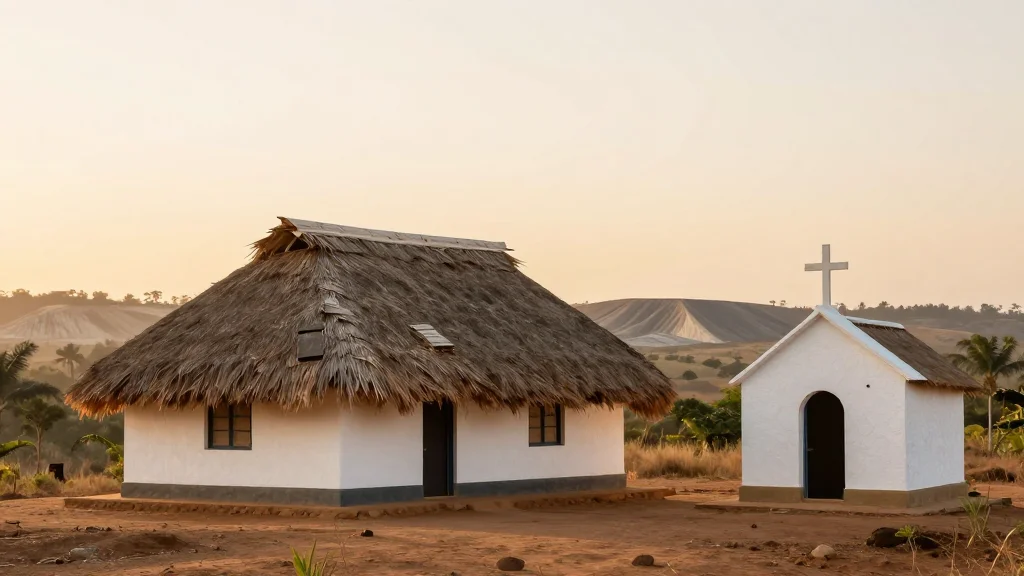
- •Church court case secured new homes for 100 displaced families in Huíla
- •Legal advocacy by Catholic bishops is increasing across Angola’s mining zones
- •Church mediates between multinational miners and vulnerable local communities
- •Interventions aim to curb displacement, pollution, and deepening poverty
- •Angola’s mining sector faces heightened scrutiny from religious civil society
Pulse Analysis
Angola’s mining boom, driven by iron ore, diamonds and rare earths, contributes roughly 15% of the nation’s GDP and attracts billions in foreign investment. Yet the rapid expansion has often outpaced social safeguards, leaving villages uprooted and ecosystems degraded. Historically, the Catholic Church has maintained a strong presence in Angola, providing education, health services, and moral guidance. In recent years, its leadership has begun leveraging that influence to address the collateral damage of extractive projects, framing environmental stewardship and human dignity as core tenets of its mission.
The landmark lawsuit filed by the Catholic Bishops’ Conference illustrates a new tactical playbook: using the courts to compel mining companies to fund relocation and reconstruction. By securing new homes for over a hundred families in the southern Huíla province, the Church set a precedent that legal recourse can yield tangible benefits for displaced residents. This victory is prompting other dioceses to file similar claims, negotiate community benefit agreements, and demand stricter environmental monitoring. For mining firms, the message is clear—operational risk now includes reputational exposure and potential litigation driven by organized civil‑society actors.
Looking ahead, the Church’s activism could reshape Angola’s regulatory landscape. Policymakers may tighten licensing requirements, enforce stricter impact‑assessment protocols, and incorporate community consent mechanisms to avoid future disputes. International investors, increasingly attuned to ESG criteria, will likely view these developments as a risk‑mitigation factor, rewarding companies that engage constructively with local stakeholders. Ultimately, the Catholic Church’s involvement underscores a broader trend: non‑governmental institutions are becoming pivotal arbiters in the balance between resource extraction and sustainable development across Africa.
In Angola, Catholic Church steps in to give a voice to mining-affected communities (Catholic Register – April 21, 2026)
Comments
Want to join the conversation?