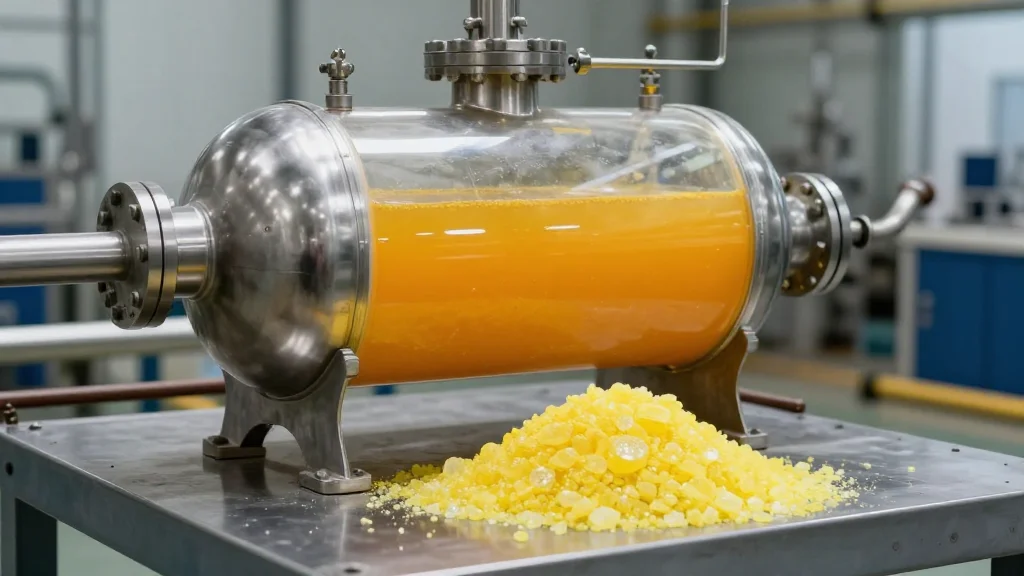
Indonesia Nickel Makers Trim Battery-Feed Output as Sulphur Squeeze Bites (Mining.com/Reuters – April 14, 2026)
Key Takeaways
- •Sulphur shortage linked to Iran war forces 10% output cut
- •MHP production drops to name‑plate levels despite high nickel output
- •Chinese‑backed plants like Huayou, Lygend, Tsingshan affected
- •Tightening MHP supply may pressure EV battery material prices
- •Indonesia remains top nickel exporter, but processing bottleneck emerges
Pulse Analysis
The recent sulphur squeeze stems from disrupted imports caused by the ongoing Iran conflict, which has choked the flow of sulphuric acid—a vital reagent for converting nickel ore into mixed hydroxide precipitate (MHP). Indonesian processors, many operating at peak capacity to capitalize on soaring EV demand, now face a forced 10% reduction in output. This is the first clear sign that a geopolitical flashpoint far from Southeast Asia is reverberating through the mining supply chain, highlighting the fragility of input‑heavy processing operations.
MHP is the preferred precursor for high‑nickel cathodes in electric‑vehicle batteries, and any shortfall can ripple through battery manufacturers, potentially inflating prices for automakers and downstream consumers. With Chinese‑backed firms such as Huayou Cobalt, Lygend Resources and Tsingshan Group scaling back, the market anticipates tighter inventories and a possible premium on MHP contracts. Analysts warn that sustained shortages could accelerate the search for alternative chemistries or prompt battery makers to diversify their material sourcing, underscoring the strategic importance of stable sulphur supplies.
Indonesia, the world’s leading nickel exporter, now confronts a processing bottleneck that could diminish its competitive edge in the EV value chain. While the country’s ore output remains robust, the inability to fully convert that ore into battery‑grade material may invite competitors to invest in downstream capacity elsewhere. Policymakers and industry players are likely to explore strategic stockpiles, local sulphur production incentives, or supply‑chain hedging to mitigate future geopolitical disruptions, ensuring Indonesia retains its pivotal role in the global clean‑energy transition.
Indonesia nickel makers trim battery-feed output as sulphur squeeze bites (Mining.com/Reuters – April 14, 2026)
Comments
Want to join the conversation?