Irish Alumina Facility Feeds Putin’s War Machine and Endangers Ireland’s Environment

Key Takeaways
- •Over 50% of Aughinish alumina exports now go to Russian smelters
- •RUSAL‑owned plant supplies aluminum used in Russian guided‑missile warheads
- •Exports comply with EU rules, but bypass U.S. sanctions lifted in 2019
- •Facility consumes 10‑15% of Ireland’s domestic gas, raising energy security concerns
- •Red‑mud tailings and dust pose long‑term health risks to nearby communities
Pulse Analysis
Aughinish Alumina, a cornerstone of Ireland’s industrial base, processes roughly a third of Europe’s alumina supply. Since Russia’s full‑scale invasion of Ukraine, more than half of the plant’s output has been diverted to RUSAL‑controlled smelters, which then sell aluminium to the state‑run Aluminum Sales Company. That aluminium is a key feedstock for high‑purity powders used in guided‑missile warheads, linking a Irish refinery directly to Russia’s war machine. While EU trade rules deem the shipments legal, the arrangement exposes a loophole in the trans‑Atlantic sanctions architecture that allowed the plant to operate unimpeded after U.S. sanctions were lifted in early 2019.
The economic calculus for Ireland is complex. Aughinish consumes 10‑15% of the nation’s domestic gas, a significant share for a country already grappling with energy volatility. The plant supports over 600 jobs and contributes to regional GDP, prompting Irish officials to lobby for exemption from broader sanctions to safeguard employment. Yet the continued flow of alumina to Russia undermines the credibility of Western punitive measures and fuels criticism that economic interests are being placed above geopolitical responsibility. Policymakers must weigh the short‑term employment benefits against the long‑term reputational and security costs of enabling a sanctioned supplier.
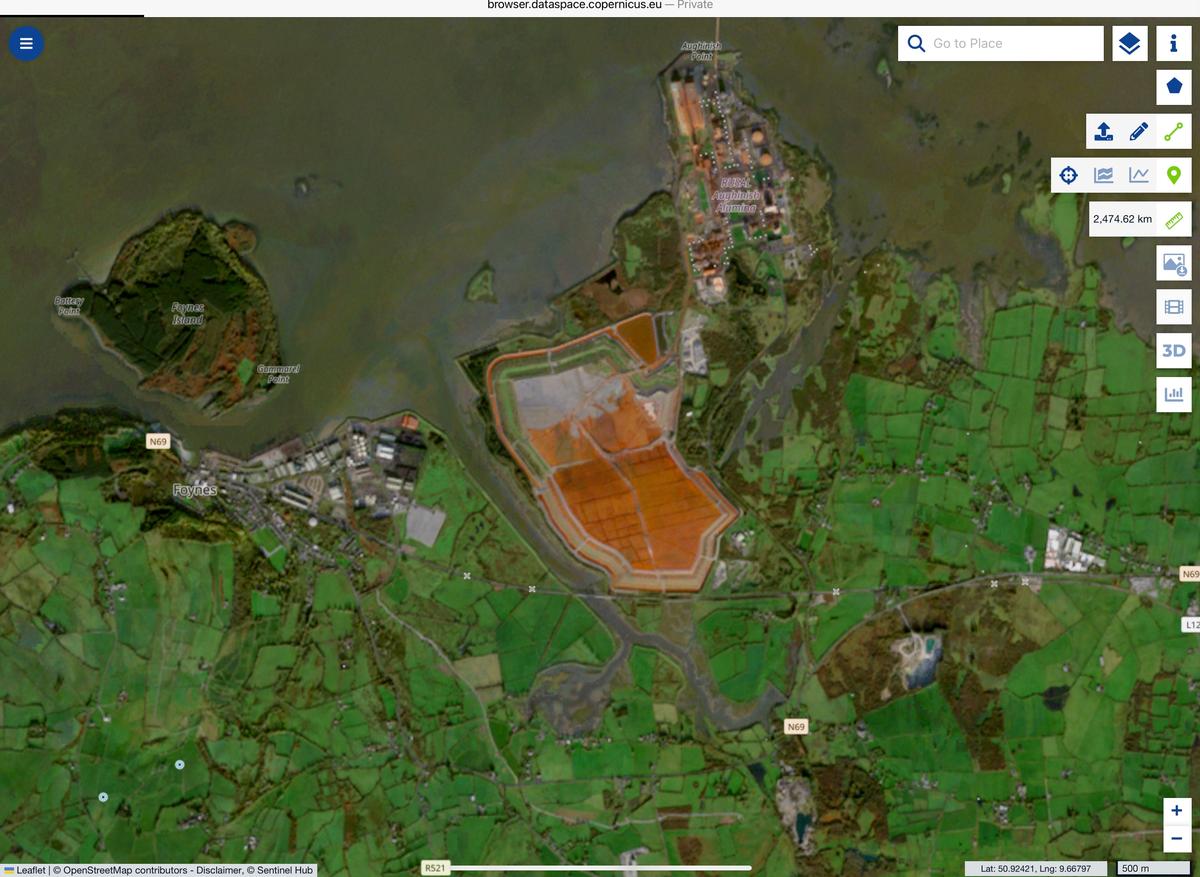
Beyond geopolitics, Aughinish poses persistent environmental challenges. The facility generates vast quantities of red‑mud tailings, a highly alkaline waste that has sparked community protests and fears of a disaster akin to Hungary’s 2010 spill. Dust emissions and the proximity of residential areas amplify health concerns, while maritime inspections have flagged safety lapses on vessels servicing the plant. As Ireland confronts climate targets and public pressure for stricter environmental oversight, a comprehensive review of Aughinish’s licensing, waste‑management practices, and its role in the global aluminium supply chain becomes increasingly urgent.
Irish Alumina Facility Feeds Putin’s War Machine and Endangers Ireland’s Environment
Comments
Want to join the conversation?