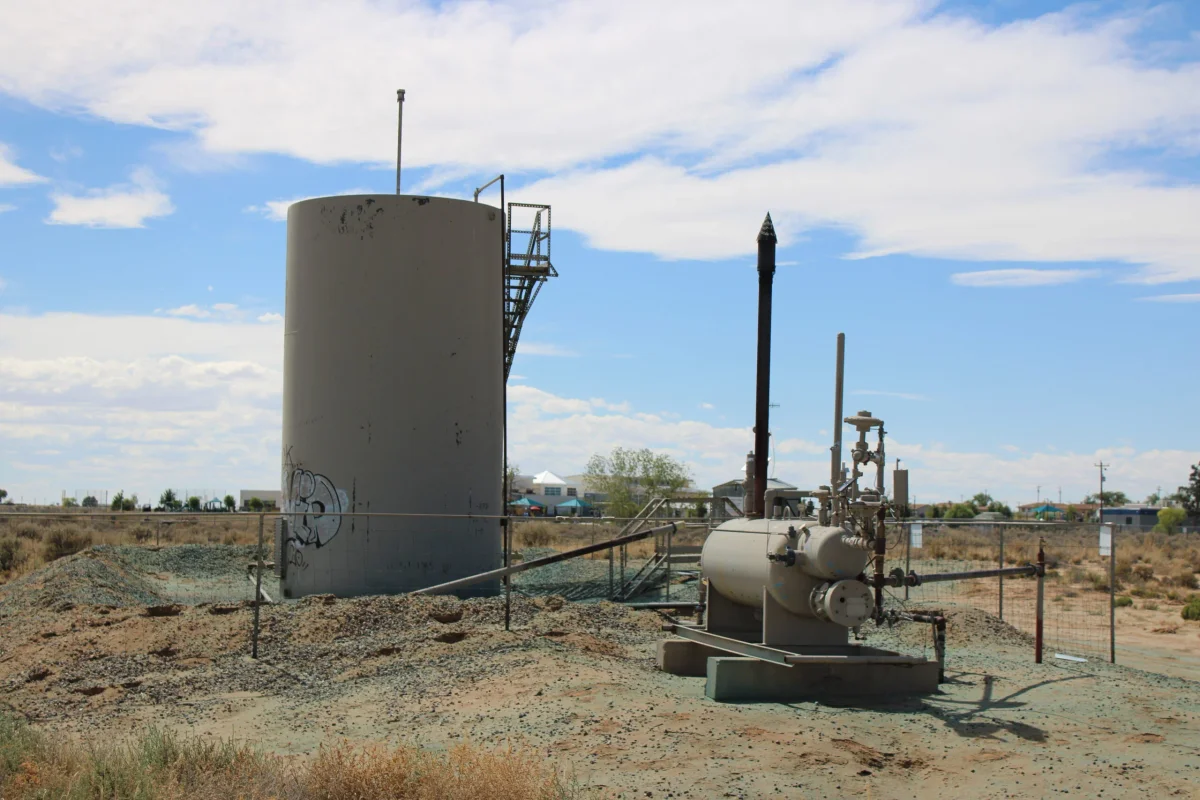
”It’s Deja Vu All Over Again”: How New Mexicans, Advocates Repeatedly Fight Back A Push to Allow Oil and Gas Waste in New Mexico Waters
Key Takeaways
- •HB207 defeated 5‑4, keeping wastewater out of NM waterways
- •WQCC rule bans surface discharge, allows limited pilot projects
- •Industry group WATR Alliance filed multiple petitions to reverse ban
- •Advocates mobilized dozens, providing data and public comments
- •Upcoming May 12 hearing could reopen debate on treated water reuse
Pulse Analysis
New Mexico’s water policy has become a flashpoint in the broader national debate over oil and gas produced water. Produced water— a mix of saline brine, heavy metals, hydrocarbons and radioactive residues— poses significant risks when released beyond the wellsite. In May 2025 the state’s Water Quality Control Commission concluded that existing treatment technologies could not guarantee protection of human health or ecosystems, issuing a rule that prohibits discharge to surface and groundwater while permitting tightly controlled pilot projects. The rule reflects a precautionary approach, buying time for scientific data to fill critical gaps.
The precautionary stance faced fierce opposition from the industry‑backed WATR Alliance, which lodged a series of petitions seeking to roll back the ban. Their latest effort coincided with the introduction of HB207 during a compressed 30‑day legislative session. Environmental coalitions—including Amigos Bravos, the Western Environmental Law Center, and Earthworks—mounted a rapid response, delivering fact sheets, answering legislators’ queries, and flooding the committee hearing with public testimony. The narrow 5‑4 vote to table the bill underscored the power of coordinated advocacy in a politically charged environment where even emails from the governor’s office raised concerns of impropriety.
Looking ahead, the May 12 WQCC hearing will determine whether the commission revisits its 2025 decision. A reversal could set a precedent for other western states grappling with water scarcity and booming oil‑gas activity. For the industry, approval would unlock a low‑cost waste‑disposal pathway; for communities and environmental groups, it would represent a step backward in protecting vital water supplies. The outcome will likely influence future legislative attempts, regulatory frameworks, and the balance of power between resource development and environmental stewardship across the region.
”It’s Deja Vu All Over Again”: How New Mexicans, Advocates Repeatedly Fight Back A Push to Allow Oil and Gas Waste in New Mexico Waters
Comments
Want to join the conversation?