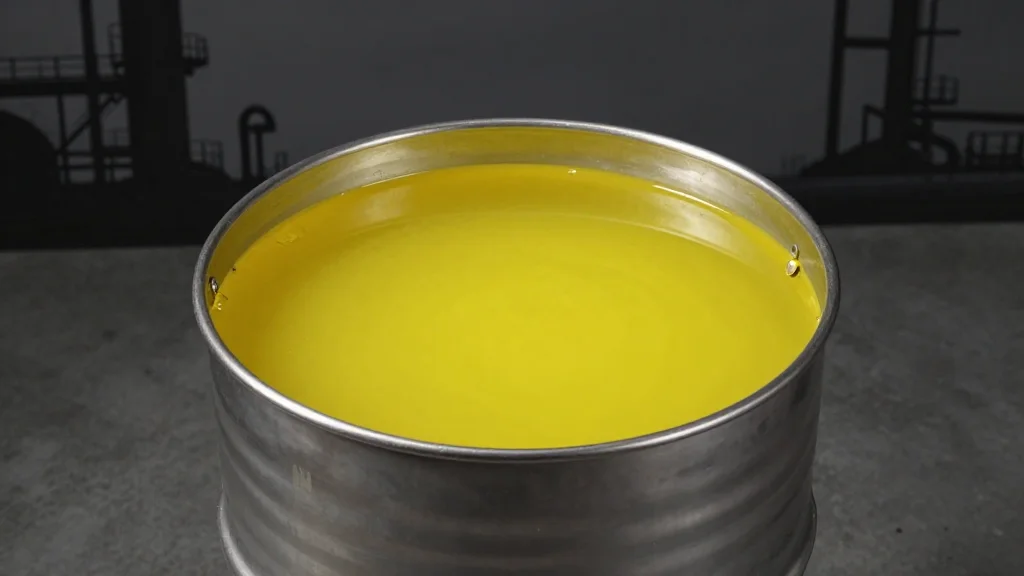
Op-Ed: The Copper Supply Crisis Is a Sulfur Management Crisis – by Randy Allen (Mining.com – May 4, 2026)
Key Takeaways
- •China stopped sulfuric acid exports on May 1, 2026.
- •Sulfuric acid underpins 60% of global fertilizer production.
- •Copper extraction relies heavily on sulfuric acid for leaching.
- •Sulfur shortage could tighten copper supply and raise prices.
- •Managing sulfur is now a strategic priority for miners.
Pulse Analysis
The sudden curtailment of sulfuric acid shipments from China has reverberated far beyond the chemical trade ledger. As the world’s largest producer, China’s policy shift instantly tightened global supply, prompting price spikes in copper futures and prompting analysts to reassess the resilience of commodity pipelines. While investors initially focused on the immediate market reaction, the deeper narrative centers on the chemical’s ubiquity: more than 260 million tonnes of sulfuric acid flow annually, feeding everything from phosphate fertilizers to semiconductor fabrication. Its role as the "king of chemicals" makes any disruption a systemic shock.
In copper mining, sulfuric acid is the linchpin of the leaching process that extracts metal from ore. Without sufficient acid, leach pads operate below optimal recovery rates, forcing mines to either scale back output or seek costly alternatives. This operational constraint has transformed sulfur from a low‑grade byproduct into a critical input, effectively capping copper supply even as demand surges for electric vehicles and renewable‑energy infrastructure. The industry’s historical focus on ore discovery now collides with a chemistry bottleneck, prompting executives to reevaluate capital allocation toward sulfur logistics and on‑site acid generation.
Looking ahead, miners are exploring several mitigation pathways. Recycling spent acid, investing in on‑site sulfuric acid plants, and researching non‑acid leaching chemistries could reduce dependence on external suppliers. Parallelly, the fertilizer sector faces its own pressure, as reduced acid availability threatens phosphate production and, consequently, global food security. Policymakers and corporate strategists alike must therefore treat sulfur management as a cross‑sectoral priority, aligning supply‑chain resilience with sustainability goals to safeguard both metal and agricultural markets.
Op-Ed: The copper supply crisis is a sulfur management crisis – by Randy Allen (Mining.com – May 4, 2026)
Comments
Want to join the conversation?