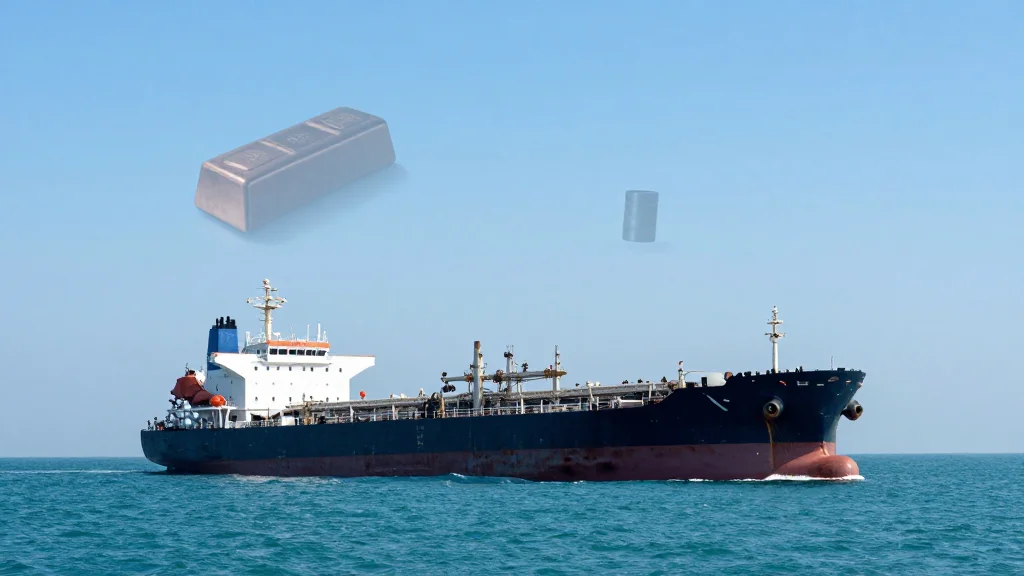
Prolonged Hormuz Strait Closure Would Have ‘Profound’ Impact on Mining: Friedland – by Frederic Tomesco (Northern Miner – April 13, 2026)
Key Takeaways
- •Hormuz Strait closure could cut 50% of seaborne sulfur supply.
- •Sulfuric acid shortage threatens 20% of global copper production.
- •Copper leaching costs may rise sharply, squeezing margins.
- •Mining firms may seek alternative leaching technologies or stockpiles.
- •Global supply chains could face broader industrial disruptions.
Pulse Analysis
The Strait of Hormuz is a vital maritime artery for oil and bulk commodities, handling roughly 20 million barrels of crude daily and a significant share of the world’s sulfur—a by‑product of oil refining. When geopolitical tensions force the waterway to close, the immediate effect is a sharp reduction in the flow of seaborne sulfur, which accounts for about half of the global supply. This bottleneck not only spikes sulfur prices but also reverberates through downstream markets that rely on sulfuric acid, a cornerstone of many industrial processes.
In the mining sector, sulfuric acid is indispensable for leaching copper from oxide ores, a method that underpins roughly one‑fifth of global copper output. A constrained acid supply forces prices upward, eroding profit margins for producers who must either absorb higher input costs or pass them to customers. Historical spikes in acid prices have already prompted some miners to suspend leaching operations or shift to sulfide‑ore processing, which does not require acid. The resulting cost pressure could tighten copper supply, potentially lifting spot prices and affecting downstream industries that depend on the metal.
Facing this risk, mining companies are exploring mitigation strategies such as building strategic sulfur stockpiles, investing in alternative leaching technologies like bio‑leaching, or renegotiating contracts with acid suppliers. The ripple effect extends beyond mining; fertilizer manufacturers, chemical producers, and other sectors that consume sulfuric acid may also encounter cost spikes, amplifying market volatility. Investors should monitor developments in the Hormuz corridor closely, as prolonged disruption could reshape commodity pricing dynamics and influence capital allocation across the broader industrial landscape.
Prolonged Hormuz Strait closure would have ‘profound’ impact on mining: Friedland – by Frederic Tomesco (Northern Miner – April 13, 2026)
Comments
Want to join the conversation?