“Rotten Eggs”: The Hidden Role of Sulfur in the Global Economy – by Amanda Van Dyke (Substack – April 13, 2026)
Key Takeaways
- •Sulfur mainly sourced as by‑product from sour oil and gas.
- •Sulfuric acid powers fertilizer, metal refining, and battery manufacturing.
- •Declining fossil‑fuel output risks tightening sulfur supply chain.
- •Rising EV and renewable demand amplifies sulfur market pressure.
Pulse Analysis
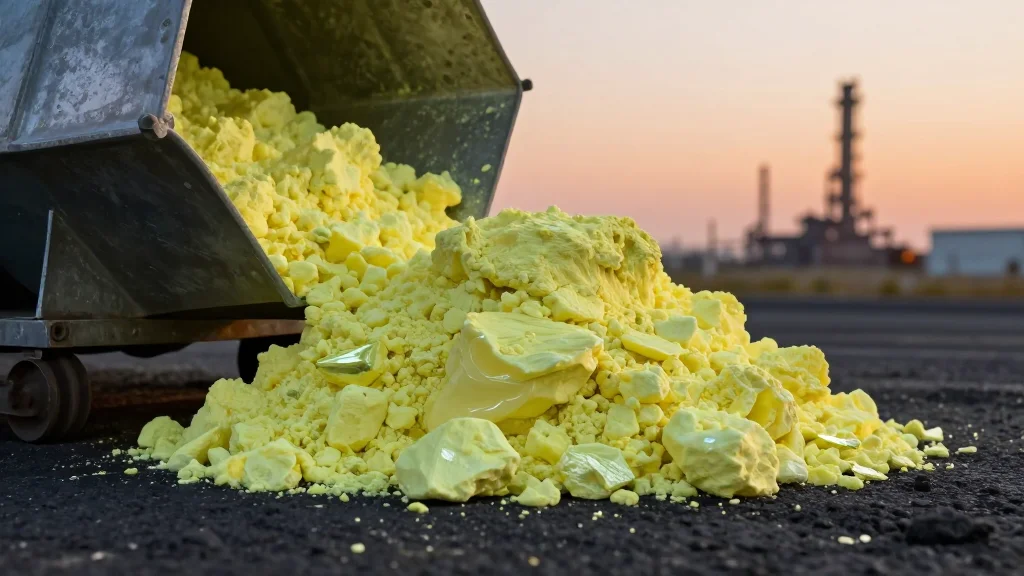
Sulfur’s ubiquity begins at the atomic level: it is the tenth most abundant element in the universe and a staple of Earth’s crust. Modern industry, however, does not mine sulfur directly; instead, it extracts the element from hydrogen sulfide removed during sour‑gas and sour‑oil refining. The Claus process converts this toxic gas into elemental sulfur, which then becomes the feedstock for the massive global sulfuric‑acid industry. This conversion chain links fossil‑fuel production to virtually every heavy‑industry process, making sulfur an invisible but vital backbone of the industrial economy.
The versatility of sulfuric acid drives its strategic importance. In agriculture, it produces phosphoric‑acid fertilizers that sustain half of the world’s food supply. In metallurgy, it leaches ores and refines metals such as copper and zinc. The rise of lithium‑ion batteries has added a new demand vector, as sulfur‑based electrolytes and cathodes promise higher energy density. Data centers also rely on sulfuric‑acid‑based cooling systems to manage heat loads. Collectively, these applications account for billions of dollars in annual spend, and their growth trajectories are closely tied to the pace of renewable‑energy adoption and electric‑vehicle rollout.
The reliance on fossil‑fuel by‑products creates a paradox: as the world shifts away from oil and gas to meet climate goals, the very source of sulfur may dwindle. Declining refinery throughput, stricter emissions standards, and geopolitical disruptions could tighten supply, driving up prices and prompting industries to seek alternative sources such as mined sulfide ores or recycled sulfur. Policymakers and corporate strategists are therefore watching sulfur inventories closely, recognizing that any bottleneck could ripple through food security, clean‑energy deployment, and global manufacturing. Proactive investment in diversified sulfur extraction and recycling will be essential to safeguard this hidden pillar of the economy.
“Rotten Eggs”: The hidden role of sulfur in the global economy – by Amanda van Dyke (Substack – April 13, 2026)
Comments
Want to join the conversation?