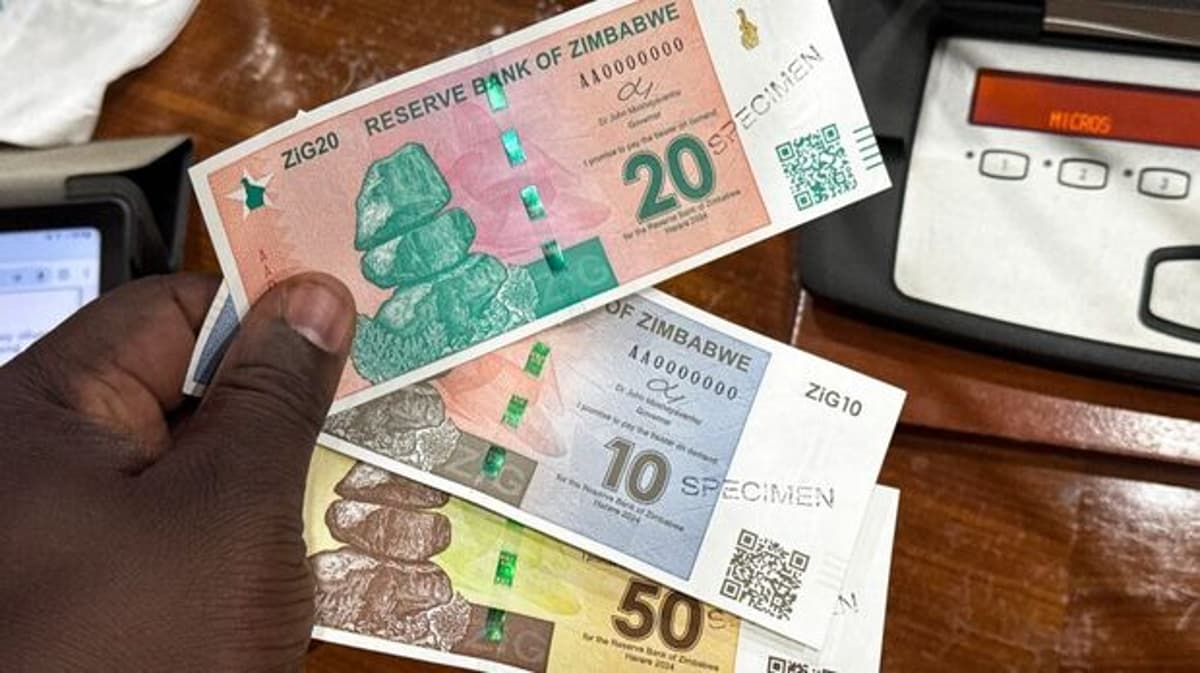
The ZiG Barrier: How Bank Account Requirements Could Derail Gold Deliveries
•March 3, 2026
0
Key Takeaways
- •Bank account requirements clash with miners' informal living conditions
- •Proof‑of‑residence demand excludes most artisanal miners
- •Bank transaction caps limit payouts for team‑based deliveries
- •Exclusion may drive gold sales into informal or black‑market channels
Summary
Zimbabwe’s Reserve Bank introduced a 90:10 ZiG payment split for artisanal gold miners, requiring bank accounts to receive the 10% government share. Miners can prove identity with a national ID, but banks demand proof of residence, company registration and impose low transaction limits. These hurdles prevent miners from accessing funds, pushing them back to cash and informal channels. The resulting financial exclusion threatens the ZiG’s credibility and could divert gold revenue to the black market.
Pulse Analysis
The ZiG (Zimbabwe Gold) initiative aims to capture a 10% levy on small‑scale gold sales, channeling foreign currency into the national treasury. While the concept aligns with fiscal consolidation, its execution hinges on a banking framework that assumes formal business structures. Artisanal miners, who operate without permanent addresses or corporate paperwork, are forced to meet bank‑driven compliance checks that they simply cannot satisfy, creating a bottleneck that stalls the flow of legitimate revenue.
Mobile‑money platforms like EcoCash have already demonstrated that Zimbabweans can move cash instantly without proof of residence, highlighting a paradox in the financial ecosystem. Banks, citing risk management, impose daily limits as low as US$2,000—far below the typical payout for a miner representing a whole crew. This mismatch forces miners to either accept cash, stay informal, or abandon the ZiG altogether, eroding the policy’s intended transparency and tax‑capture benefits.
Policymakers must recalibrate the banking requirements to match the realities of the artisanal sector. A “Gold Miner” account tier that accepts only a national ID and dynamically adjusts limits based on verified deliveries could bridge the gap. By removing unnecessary documentation and raising transaction ceilings, Zimbabwe can keep gold proceeds within the formal economy, boost foreign‑exchange earnings, and reinforce the credibility of the ZiG program.
Comments
Want to join the conversation?