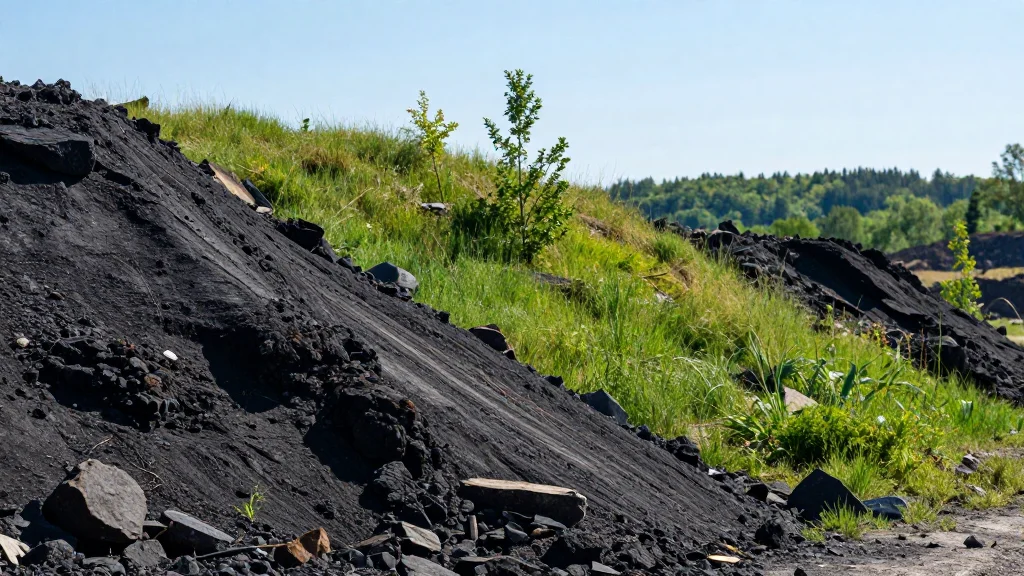
Tom Peters Was the Grandfather of Regreening in Greater Sudbury – by Dieter K Buse (Sudbury Star – March 31, 2026)
Key Takeaways
- •Tom Peters introduced farming techniques to stabilize Inco’s mine tailings.
- •Industry-led regreening transformed Sudbury’s barren slag heaps into green spaces.
- •Community groups and former mayors also played key roles in restoration.
- •Vale, Falconbridge, and Inco collectively invested millions in soil remediation.
- •Sudbury’s success serves as a model for post‑mining land reclamation worldwide.
Pulse Analysis
In the late 1960s, Sudbury’s landscape was dominated by towering slag heaps, a stark reminder of its nickel‑copper smelting boom. The black, nutrient‑poor mounds were not only an aesthetic blight but also a source of air‑quality concerns. Into this environment stepped Tom Peters, an Inco agronomist who experimented with hardy grasses and legumes capable of anchoring the loose material. By applying principles of soil science—such as organic amendment, seed‑bed preparation, and phased planting—Peters demonstrated that even the most inhospitable tailings could support vegetation, laying the groundwork for systematic reclamation.
Following Peters’ early trials, Inco, Falconbridge, and later Vale scaled the approach, allocating millions of dollars to large‑scale soil remediation projects. The companies introduced lime to neutralize acidity, added composted municipal waste to improve fertility, and employed precision seeding to maximize cover. These efforts not only reduced erosion and dust emissions but also created habitats for wildlife and recreational greenways for residents. Collaboration with local universities and community groups accelerated knowledge transfer, ensuring that the regreening techniques were adapted to evolving environmental standards and community expectations.
Sudbury’s transformation now serves as a case study for mining jurisdictions worldwide. The city’s experience illustrates that proactive, science‑driven reclamation can turn environmental liabilities into economic and social assets, enhancing property values and attracting tourism. Moreover, the partnership model—combining corporate funding, academic research, and civic engagement—offers a scalable framework for other resource‑dependent regions seeking sustainable post‑extraction futures. As global demand for responsible mining intensifies, Sudbury’s legacy underscores the strategic advantage of early investment in land restoration.
Tom Peters was the grandfather of regreening in Greater Sudbury – by Dieter K Buse (Sudbury Star – March 31, 2026)
Comments
Want to join the conversation?