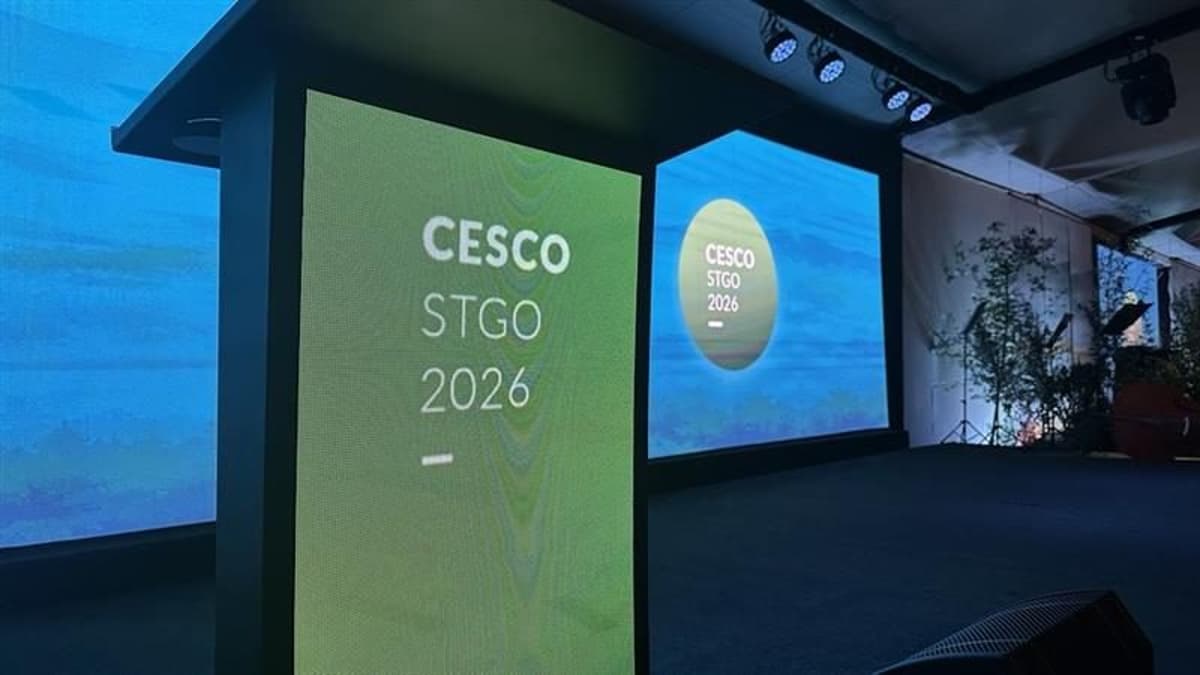
10 Things in Focus at CESCO Week 2026 as Sulfuric Acid Upends the Copper Market
Companies Mentioned

Why It Matters
The acid ban and soaring TC/RCs tighten copper supply, pressuring margins and forcing market participants to reassess pricing, inventory and investment decisions across the global copper value chain.
Key Takeaways
- •China bans sulfuric acid exports from May, tightening copper supply chain
- •Copper concentrate TC/RCs break $100/tonne, no price floor in sight
- •Smelter expansions in China and India continue despite negative TC/RCs
- •By‑product revenues and high acid prices keep smelters operating
- •SX‑EW plants in Chile and Africa face greatest acid‑supply risk
Pulse Analysis
The impending Chinese sulfuric acid export ban is reshaping the copper market’s fundamentals. Acid, a by‑product of copper and zinc smelting, underpins solvent extraction‑electrowinning (SX‑EW) processes; its sudden scarcity pushes prices to roughly $400 per tonne and forces buyers to secure alternative supplies. This supply shock coincides with broader geopolitical turbulence, notably the Iran‑Middle East conflict that has already constrained sulfur shipments from the Strait of Hormuz. As a result, copper concentrate producers face tighter margins and heightened operational risk, prompting a scramble for reliable acid sources and prompting some traders to hedge aggressively.
Treatment and refining charges (TC/RCs) have breached the $100‑per‑tonne barrier for the first time, with Fastmarkets reporting a TC index of $102.70. The lack of a price floor reflects an imbalance between expanding smelter capacity and dwindling by‑product credits. Yet smelters remain resilient, leveraging elevated sulfuric acid prices and precious‑metal by‑products to offset negative TC/RC spreads. This dynamic underscores a shift in the traditional economics of copper smelting, where ancillary revenues now sustain operations amid adverse primary commodity pricing.
Looking ahead, the confluence of policy‑driven acid scarcity, ongoing smelter expansions in China and India, and heightened geopolitical risk—particularly in the Middle East and South America—creates a volatile outlook for copper investors. Market participants must monitor the acid ban’s implementation, potential tariff actions under the U.S. Section 232 review, and political developments in Chile and Peru, all of which could trigger abrupt price swings. Strategic inventory management, diversified sourcing, and close engagement with benchmark reforms will be essential for navigating the evolving copper landscape.
10 things in focus at CESCO Week 2026 as sulfuric acid upends the copper market
Comments
Want to join the conversation?
Loading comments...