19,000 Great Pyramids a Year: Report Flags Unsustainable Rate of Sand Mining
Why It Matters
Sand is a foundational input for concrete, glass, and silicon, making its scarcity a direct threat to construction, technology supply chains, and ecosystem services. Unchecked extraction jeopardizes biodiversity, coastal protection, and the livelihoods of millions, prompting urgent policy action.
Key Takeaways
- •Global sand extraction reaches 50 billion metric tons annually.
- •Extraction rate equals building 19,000 Great Pyramids each year.
- •Southeast Asia drives most sand mining and ecological damage.
- •UNEP calls for coordinated governance, transparent licensing, and monitoring.
Pulse Analysis
Sand may seem ordinary, but it underpins modern infrastructure—from concrete skyscrapers to silicon chips. The UNEP’s latest analysis reveals that the planet is losing sand at a rate that dwarfs natural replenishment, driven by a construction boom that is expected to surge 45% by mid‑century. This imbalance not only threatens the availability of a critical raw material but also amplifies climate risks, as sand buffers coastlines against sea‑level rise and storm surges.
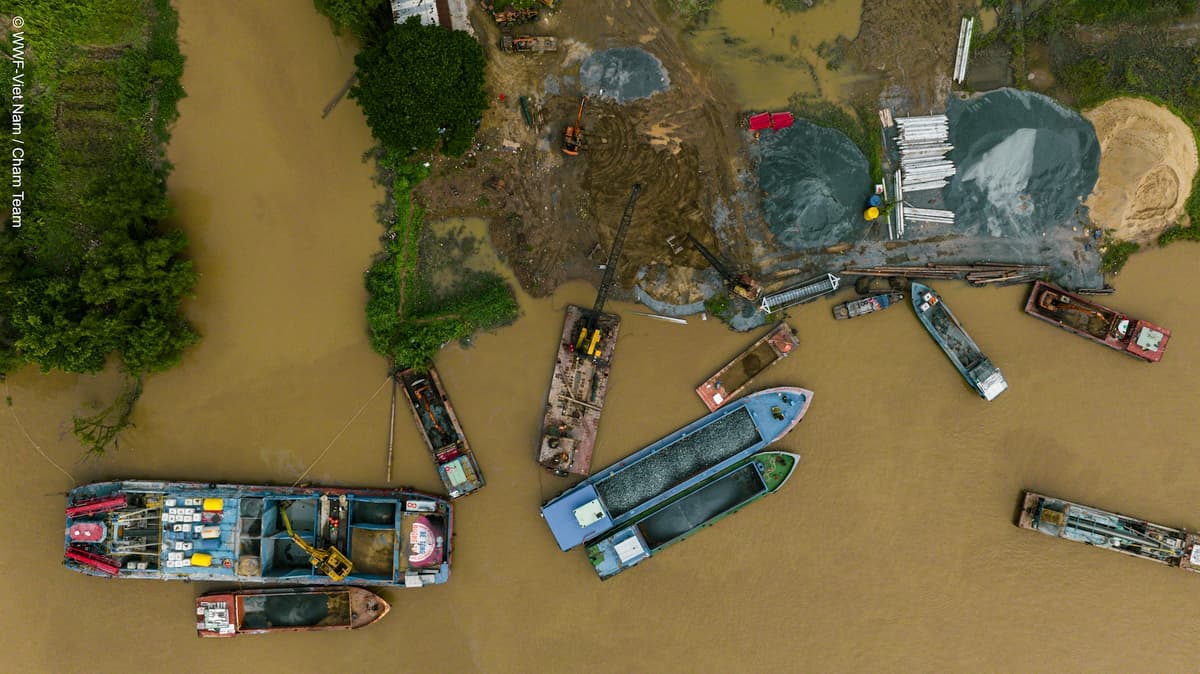
The most acute impacts are unfolding in Southeast Asia, where massive reclamation projects and urban megadevelopments have accelerated river erosion and coastal degradation. In the Philippines, a 1,700‑hectare airport expansion displaced 700 families and crippled a productive fishing ground. Indonesia’s sand dredging for a new city stripped a prime fishing area, slashing local incomes by 80%. Along the Mekong, sand removal deepens channels, reduces wet‑season flows, and fuels flooding and salinity in Vietnam’s delta, endangering agriculture and livelihoods.
UNEP’s report calls for an overhaul of sand governance: unified national roadmaps, transparent licensing, and robust monitoring platforms such as Marine Sand Watch. By treating sand as a strategic natural asset rather than an endless commodity, policymakers can balance development needs with ecosystem services. Integrated data, cross‑border planning, and stricter enforcement could stem the tide of extraction, preserving both the material supply chain and the environmental foundations it supports.
19,000 Great Pyramids a year: Report flags unsustainable rate of sand mining
Comments
Want to join the conversation?
Loading comments...