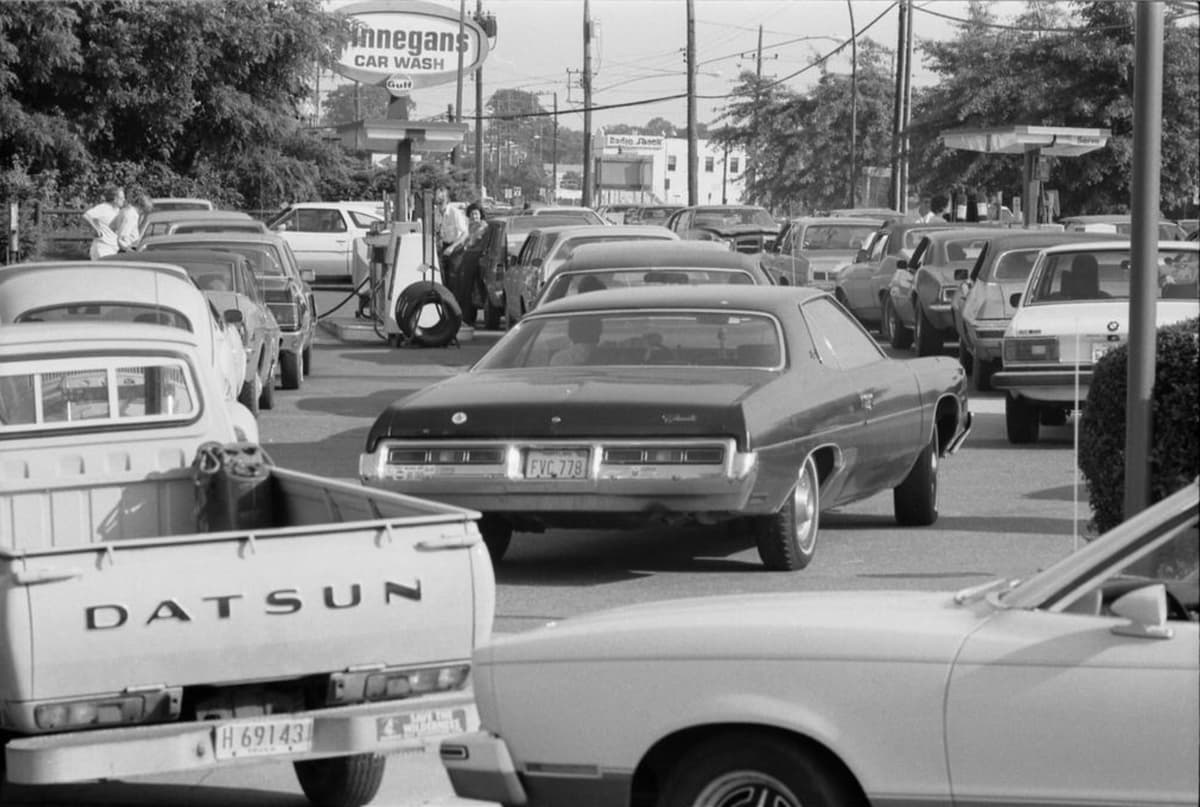
1973 Arab OPEC Embargo Against the US, Netherlands, Portugal, South Africa for Supporting Israel

Key Takeaways
- •Arab OPEC embargo targeted US, Netherlands, Portugal, South Africa in 1973
- •Oil prices quadrupled, sparking global inflation and recession fears
- •Nixon launched Project Independence to reduce US oil dependence
- •Embargo linked to peace talks; lifted after early 1974 disengagement
- •Crisis prompted Strategic Petroleum Reserve, speed limits, fuel‑economy standards
Pulse Analysis
The 1973 Arab OPEC embargo was a watershed moment that turned oil from a commodity into a geopolitical lever. By cutting off supplies to the United States and its allies, Arab producers forced a rapid escalation in crude prices, which in turn ignited inflationary pressures across the Western world. The episode exposed the vulnerability of economies that had outsourced the bulk of their energy needs, prompting policymakers to rethink the relationship between national security and energy policy.
In response, the Nixon administration launched Project Independence, a multi‑pronged effort to boost domestic production, conserve fuel, and develop strategic reserves. The initiative led to the creation of the Strategic Petroleum Reserve, a 700‑million‑barrel stockpile designed to cushion future supply shocks, and to regulatory measures such as a national 55‑mph speed limit and early fuel‑economy standards. While the project fell short of full energy self‑sufficiency, it marked the first major U.S. government commitment to reducing reliance on imported oil.
The embargo’s legacy extends beyond immediate policy changes; it reshaped the global energy architecture. OPEC emerged as a dominant price‑setting cartel, compelling oil‑importing nations to form the International Energy Agency to coordinate response strategies. The crisis also forced Western allies to balance support for Israel with the need to maintain stable relations with Arab oil producers, a diplomatic tightrope that continues to influence Middle‑East policy today. Understanding this history is essential for modern executives navigating energy risk, as the interplay between geopolitics and commodity markets remains a core driver of corporate strategy.
1973 Arab OPEC Embargo Against the US, Netherlands, Portugal, South Africa for Supporting Israel
Comments
Want to join the conversation?