Why It Matters
The spill highlights chronic environmental governance gaps in the DRC’s mining sector and underscores the socioeconomic burden on vulnerable communities, pressuring regulators and multinational investors to improve accountability.
Key Takeaways
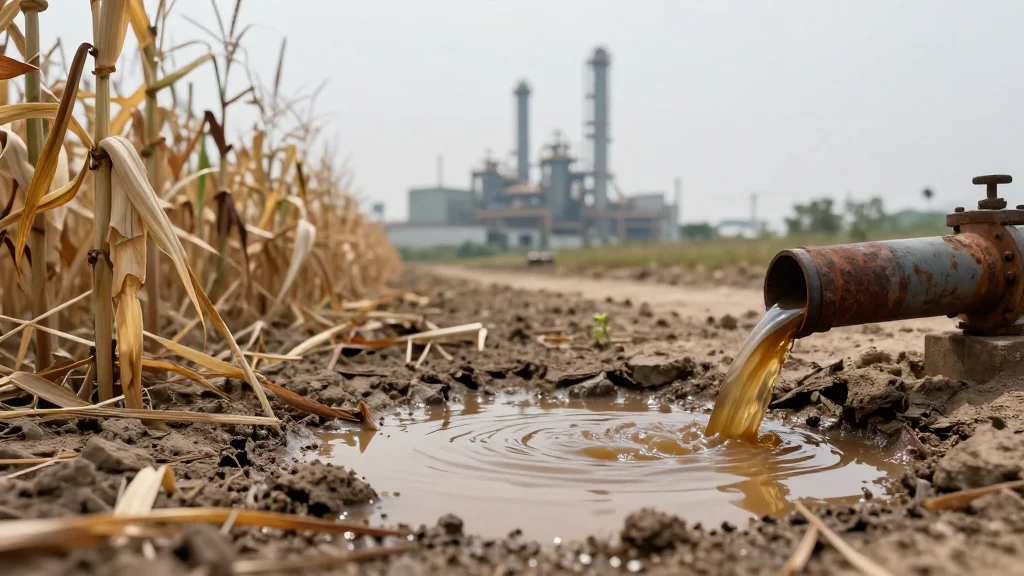
- •Residents still lack clean water four months after spill
- •Crops show stunted growth due to soil contamination
- •Government pledged $6 million, deemed insufficient by NGOs
- •670 people treated; 350 households received aid
- •Company faces suspension, no clearance to resume operations
Pulse Analysis
The Lubumbashi incident underscores how mining‑related water pollution can quickly evolve from an operational accident into a protracted public‑health crisis. Acidic effluents not only destroyed local vegetable gardens but also leached heavy metals into the soil, raising concerns about long‑term food safety and endocrine‑disrupting exposures. While the DRC’s Mining Code mandates remediation and compensation, the $6 million settlement—roughly $6 million USD—covers only a fraction of the estimated damages, prompting NGOs to call for $100 million USD to fund medical monitoring, ecological restoration, and community infrastructure.
Beyond the immediate health impacts, the spill threatens the broader economic stability of the copper‑cobalt belt, a key source of battery minerals for global tech supply chains. Prolonged suspension of Congo Dongfang International Mining’s operations could tighten supply, influencing commodity prices and prompting downstream manufacturers to reassess sourcing strategies. Moreover, the episode illustrates the risk of inadequate corporate environmental governance, especially for Chinese‑owned firms operating under lax enforcement, and may spur investors to demand stricter ESG compliance and transparent remediation plans.
For policymakers, the case offers a stark reminder that emergency response mechanisms must be paired with robust, enforceable standards. The interministerial commission’s report, which documented 670 treated patients and daily distribution of 30,000 liters of safe water, shows progress but also reveals gaps in beneficiary identification and long‑term monitoring. Effective remediation will require coordinated action among the mining company, state authorities, and affected communities to implement decontamination, restore agricultural productivity, and rebuild trust in a sector vital to the DRC’s fiscal future.
4 months after DRC mine spill, residents remain impacted
Comments
Want to join the conversation?
Loading comments...