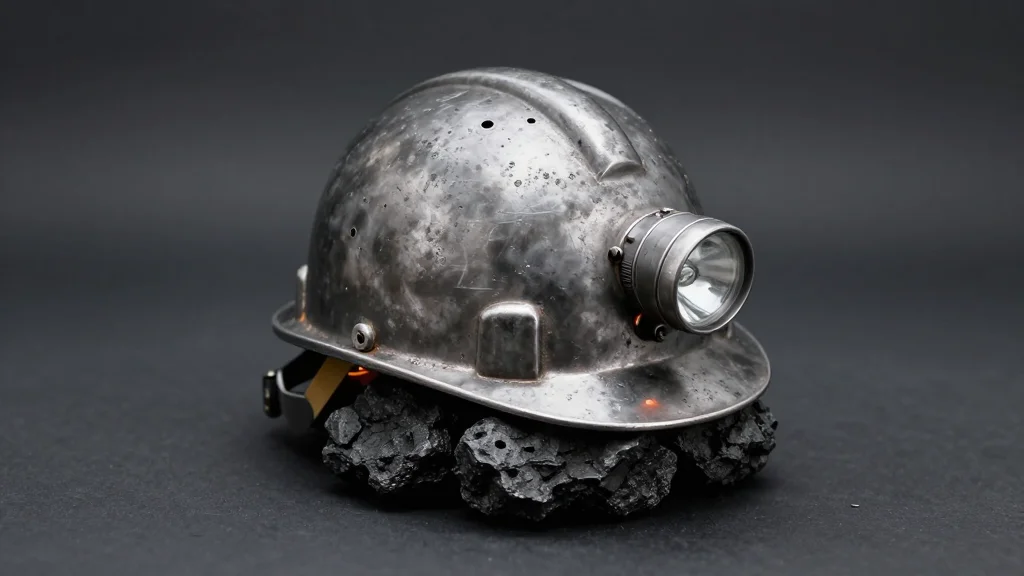
82 Killed in Shanxi Coal Mine Blast Highlights China’s Energy Security Dilemma

Why It Matters
The Shanxi blast spotlights the fragility of China’s energy‑security strategy, which relies on record coal production to buffer against external oil and gas shocks. A prolonged reduction in output could tighten domestic power markets, raise electricity costs for industry and households, and force the government to reconsider its heavy‑coal reliance. Beyond economics, the disaster raises systemic safety concerns. Repeated large‑scale accidents have historically triggered sweeping regulatory crackdowns, leading to temporary production losses that ripple through steel, chemicals, and other downstream sectors. How Beijing balances safety enforcement with its ambition to keep coal at the heart of its energy mix will influence both domestic stability and global commodity markets.
Key Takeaways
- •82 miners confirmed dead, 128 injured after a gas explosion at Liushenyu mine on May 23, 2026.
- •All four mines owned by Shanxi Tongzhou Coal Coking Group were shut and executives detained.
- •President Xi Jinping ordered an “uncompromising” investigation and nationwide safety inspections.
- •China’s coal output rose 30% over the past decade, reaching a record high in 2025.
- •Analysts warn that tighter safety enforcement could curtail coal supply during a summer demand surge.
Pulse Analysis
The Liushenyu tragedy arrives at a crossroads for China’s energy policy. Over the past decade, Beijing has deliberately expanded coal output to insulate the economy from volatile oil markets and geopolitical disruptions, especially the protracted conflict involving Iran. That strategy has delivered short‑term stability but has also entrenched a high‑risk, high‑production mining culture. The current accident, while isolated in scale, could act as a catalyst for a broader regulatory reset.
If the central government follows past precedents—mass inspections, temporary shutdowns, and public shaming of local officials—coal output could dip by several percent in the next quarter. Such a dip would tighten an already delicate supply‑demand balance as summer temperatures drive up electricity consumption. Market participants should watch for price signals in the domestic coal futures market and potential adjustments in power‑purchase agreements that could affect steel producers reliant on coking coal.
Long‑term, the incident may force policymakers to diversify away from a coal‑centric security model. While coal remains cheap and abundant, the social cost of accidents, coupled with rising environmental pressures, could accelerate investments in cleaner alternatives, such as natural gas, renewables, and even synthetic fuels derived from coal. The next phase of China’s energy strategy will likely hinge on whether safety reforms can be integrated without jeopardizing the economic growth that the coal sector underpins.
82 Killed in Shanxi Coal Mine Blast Highlights China’s Energy Security Dilemma
Comments
Want to join the conversation?
Loading comments...