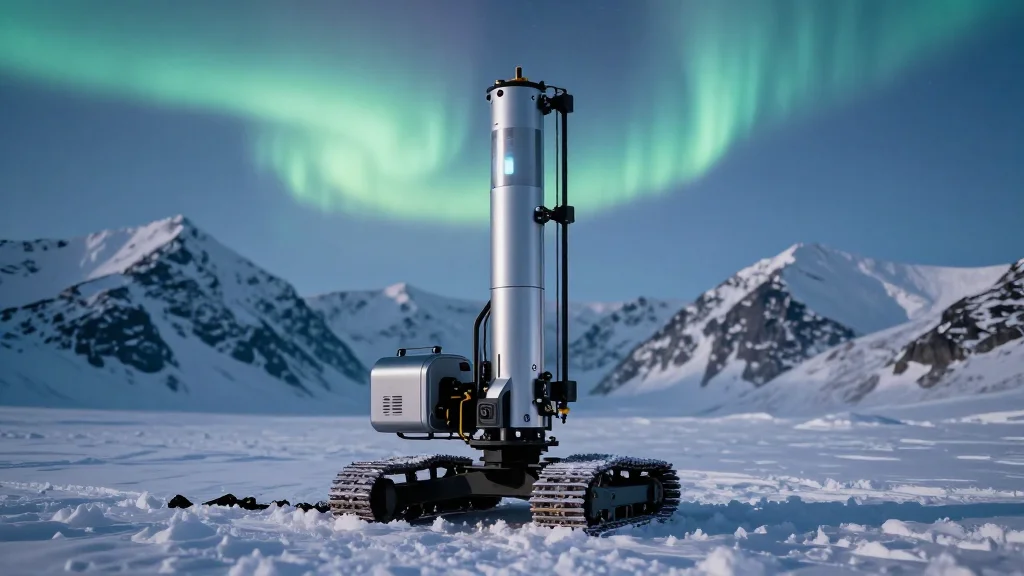
Alaska, NLR Forge Energy-Minerals Alliance
Why It Matters
The alliance fast‑tracks U.S. domestic production of critical minerals, reducing reliance on foreign sources and bolstering energy security for both Alaska and the nation.
Key Takeaways
- •Alaska holds 95% of U.S. designated critical minerals.
- •MOU streamlines research sharing between state and NLR.
- •Funding exceeds $1 billion for Alaska mineral projects.
- •NLR’s Alaska office links DOE directly to local innovators.
- •Partnership targets zinc, antimony, graphite to cut foreign dependence.
Pulse Analysis
Alaska’s mineral endowment has long been a strategic asset, but the state’s remote geography and harsh climate have limited large‑scale development. The recent rebranding of the National Renewable Energy Laboratory to the National Laboratory of the Rockies reflects a broader DOE mandate that now embraces the entire energy value chain, including mining, refining and battery production. By formalizing a partnership with Alaska, NLR brings cutting‑edge research capabilities directly to the state’s University of Alaska Fairbanks campus, creating a conduit for federal expertise, advanced testing facilities, and a pipeline of talent that can translate scientific breakthroughs into commercial projects.
The memorandum of understanding creates a streamlined framework for sharing data, joint field trials, and coordinated funding applications. DOE’s Office of Critical Minerals and Energy Innovation, which now shoulders many responsibilities of the defunct U.S. Bureau of Mines, has already earmarked more than $1 billion for projects that can diversify the domestic supply chain. For Alaska, this means accelerated exploration of zinc, antimony, graphite and other under‑exploited resources, while remote villages gain access to more reliable, locally sourced energy solutions. The partnership also positions the state as a testbed for Arctic‑specific infrastructure, such as resilient micro‑grids and cold‑climate battery storage.
Beyond Alaska, the alliance signals a national shift toward energy independence and climate resilience. By securing critical minerals at home, the United States can lower the cost of clean‑energy technologies, from wind turbines to electric‑vehicle batteries, and diminish geopolitical vulnerabilities tied to foreign mineral exporters. The collaboration may spur private‑sector investment, create high‑skill jobs, and catalyze a new era of northern innovation that aligns with broader federal goals of decarbonization and manufacturing revitalization. As the global race for rare‑earths and battery metals intensifies, the Alaska‑NLR partnership offers a template for other states seeking to leverage local resources for strategic advantage.
Alaska, NLR forge energy-minerals alliance
Comments
Want to join the conversation?
Loading comments...