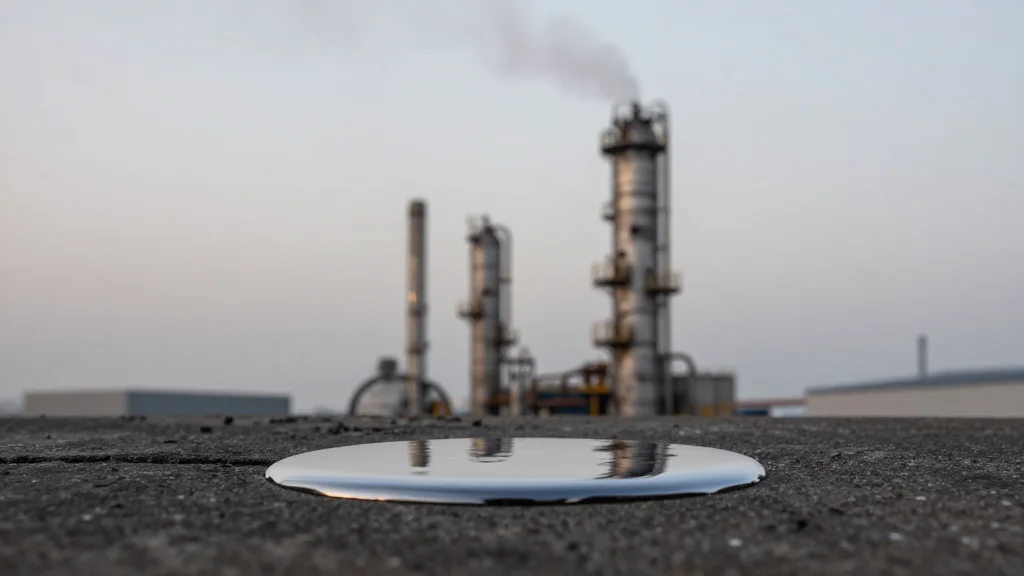
Alcoa Rejects Mercury Emissions Concerns From Its WA Refinery
Why It Matters
Rising mercury output threatens fragile jarrah ecosystems and could trigger stricter regulatory action, jeopardizing Alcoa’s social licence and investor confidence in the mining sector.
Key Takeaways
- •Alcoa's 2025 mercury emissions hit 400 kg, double 2022 levels.
- •Conservation Council of WA appeals licence over environmental health concerns.
- •DWER says rise tolerable, cites natural ore variation and condenser wear.
- •Alcoa fined $55 million for illegal land clearing, adding regulatory pressure.
Pulse Analysis
Western Australia’s jarrah forest, home to several endangered species, has become a flashpoint as Alcoa’s Wagerup refinery reports a near‑doubling of mercury emissions. Mercury, a neurotoxic heavy metal, naturally occurs in bauxite but can accumulate in soil, water and the food chain when released in larger quantities. The 2025 figure of roughly 400 kilograms, while still modest compared with global industrial outputs, raises alarms because the refinery sits adjacent to the Serpentine Dam and critical habitats for the numbat, chuditch and western ringtail possum. Environmental groups argue that the cumulative impact on these ecosystems remains unstudied, prompting a formal appeal to the state’s Appeals Convenor.
The Department of Water and Environmental Regulation (DWER) has signaled that the rise is “tolerable,” pointing to natural ore variation and aging condensers as the primary drivers. However, the regulator’s reluctance to comment during the appeal underscores the tension between industry‑led assessments and community‑driven precaution. If the licence is revoked or conditions tightened, Alcoa could face operational shutdowns, increased compliance costs, and heightened scrutiny across its global portfolio. The case also highlights a broader regulatory trend where Australian authorities are tightening environmental oversight of heavy‑metal emissions, especially in ecologically sensitive zones.
For investors and market watchers, the episode adds a layer of ESG risk to Alcoa’s valuation. The recent $55 million fine for illegal land clearing already strained the company’s reputation; further licence challenges could amplify capital‑raising costs and affect long‑term contracts with downstream aluminium producers. Companies in the mining and refining space are likely to accelerate mercury‑capture technologies and transparent reporting to mitigate similar fallout, signaling a shift toward stricter environmental governance in the sector.
Alcoa rejects mercury emissions concerns from its WA refinery
Comments
Want to join the conversation?
Loading comments...