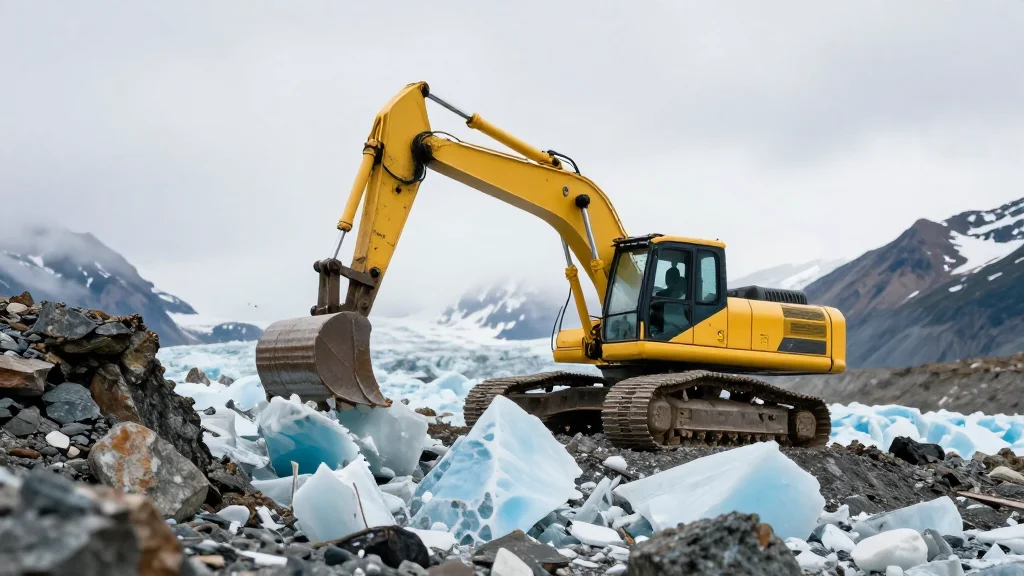
Argentina Approves Milei’s Bill that Eases Protections for Glaciers Despite Environmental Backlash
Why It Matters
The reform could flood Argentina with mining capital while jeopardizing vital water resources, sparking costly litigation and reshaping the nation’s growth‑environment trade‑off.
Key Takeaways
- •Bill could unlock $30 billion mining investments.
- •Only glaciers with specific hydrological functions remain protected.
- •Provinces now decide which areas qualify for protection.
- •Environmental groups plan court challenge over water security.
- •Opposition claims law is unconstitutional and weakens safeguards.
Pulse Analysis
Argentina’s push to revamp glacier protections reflects President Javier Milei’s broader libertarian agenda to attract foreign capital. The 2010 law that banned mining in glacial zones was a hallmark of the country’s environmental policy, but Milei’s administration argues that the blanket prohibition stifled investment. By narrowing protection to glaciers with defined hydrological roles and delegating decisions to provincial authorities, the new framework aims to create a more flexible regulatory environment that aligns with global demand for copper, gold and silver.
Economically, the bill promises a surge of up to $30 billion in mining projects over the next ten years, potentially generating thousands of jobs and boosting export revenues. Analysts note that the majority of anticipated funds target large‑scale copper and precious‑metal operations, each requiring multi‑billion‑dollar outlays. However, the shift raises concerns about water security in arid regions, as glaciers act as natural reservoirs. Climate‑induced glacier retreat already threatens river flows, and reducing safeguards could exacerbate scarcity for agriculture and communities downstream, creating a tension between immediate fiscal gains and long‑term resource stability.
The legislative change has ignited fierce opposition from environmental NGOs and opposition lawmakers, who label the measure unconstitutional and plan a class‑action lawsuit. Legal battles could delay project timelines and increase compliance costs for investors wary of regulatory uncertainty. Moreover, the provincial discretion model may lead to a patchwork of standards, complicating cross‑border mining ventures. As Latin America grapples with balancing resource extraction and ecological preservation, Argentina’s decision serves as a bellwether for how emerging markets navigate the trade‑off between attracting capital and safeguarding essential natural assets.
Argentina approves Milei’s bill that eases protections for glaciers despite environmental backlash
Comments
Want to join the conversation?
Loading comments...