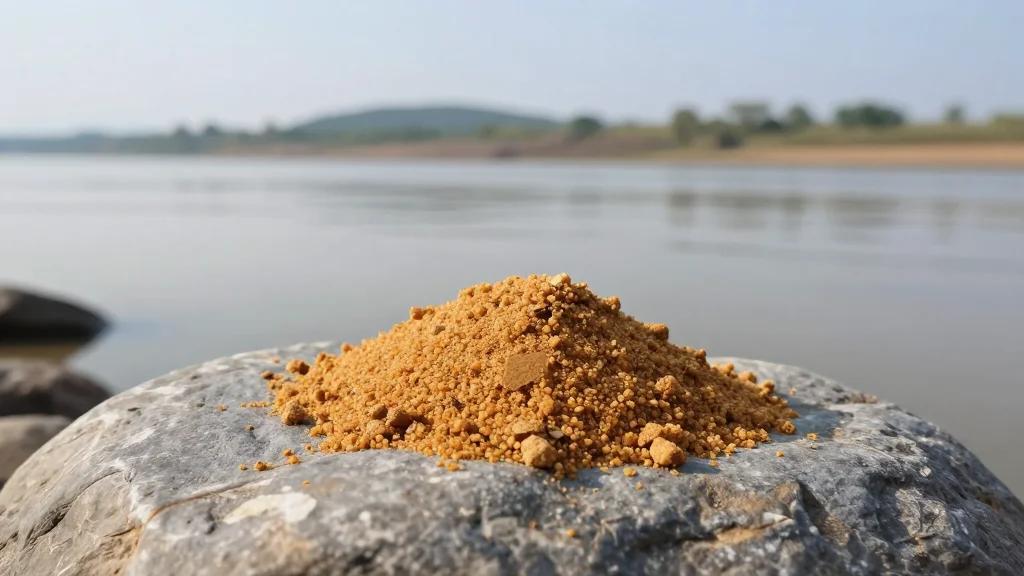
Arsenic Levels Surge in Thailand’s Mekong River Sediments, First Detection on Mainstream

Why It Matters
The arsenic contamination underscores how unregulated mineral extraction can quickly become a transboundary environmental emergency, threatening the Mekong’s role as a lifeline for food, water, and biodiversity. With the river feeding over 50 million people, elevated arsenic levels pose direct public‑health risks, including increased cancer rates and neurological disorders, while also undermining fisheries that support regional economies. Beyond immediate health concerns, the episode highlights a growing tension between the global push for critical minerals—essential for renewable‑energy technologies—and the environmental costs of extracting them in fragile ecosystems. The Mekong case may become a precedent for how the international community balances mineral demand with sustainable development and cross‑border water governance.
Key Takeaways
- •Arsenic concentrations of 73‑296 mg/kg detected in Mekong mainstream sediments, exceeding the 33 mg/kg danger threshold.
- •Tributary sediments (Kok, Sai, Ruak) show arsenic up to 57 mg/kg, indicating spread through the river system.
- •Unregulated mining in Myanmar’s Shan State includes 833 illegal mines, 86 of which are rare‑earth operations opened mainly 2024‑2026.
- •More than 50 million people across the Lower Mekong Basin rely on the river for water, fish, and livelihoods.
- •Thai Pollution Control Department will expand monitoring and release a remediation plan within two months.
Pulse Analysis
The Mekong arsenic episode illustrates a classic externality of the critical‑minerals boom: the environmental cost is borne far downstream from the extraction sites. Historically, the region has grappled with mining‑related pollution, but the detection of arsenic on the river’s main channel marks a new escalation. The concentration range—up to 296 mg/kg—far exceeds thresholds that trigger acute toxicity in aquatic organisms, suggesting that bioaccumulation could quickly affect fish populations and, by extension, human consumers.
From a market perspective, the incident could pressure downstream countries to reassess their reliance on imported rare‑earths sourced from conflict‑prone Myanmar. Companies in the automotive and renewable‑energy sectors may face heightened scrutiny from ESG investors, prompting a shift toward more transparent supply chains or the development of alternative materials. In the short term, the contamination could also trigger trade disruptions if neighboring governments impose bans on Mekong‑sourced fish or water exports.
Looking ahead, the effectiveness of Thailand’s response will depend on regional cooperation. The Mekong River Commission, traditionally limited to water‑resource management, may need to expand its mandate to include pollution control linked to upstream mining. If diplomatic channels fail, the issue could attract involvement from international bodies such as the UN Environment Programme, setting a precedent for cross‑border enforcement of mining standards. The outcome will shape not only the health of the Mekong ecosystem but also the broader narrative of how the global demand for green‑technology minerals is reconciled with environmental stewardship.
Arsenic Levels Surge in Thailand’s Mekong River Sediments, First Detection on Mainstream
Comments
Want to join the conversation?
Loading comments...