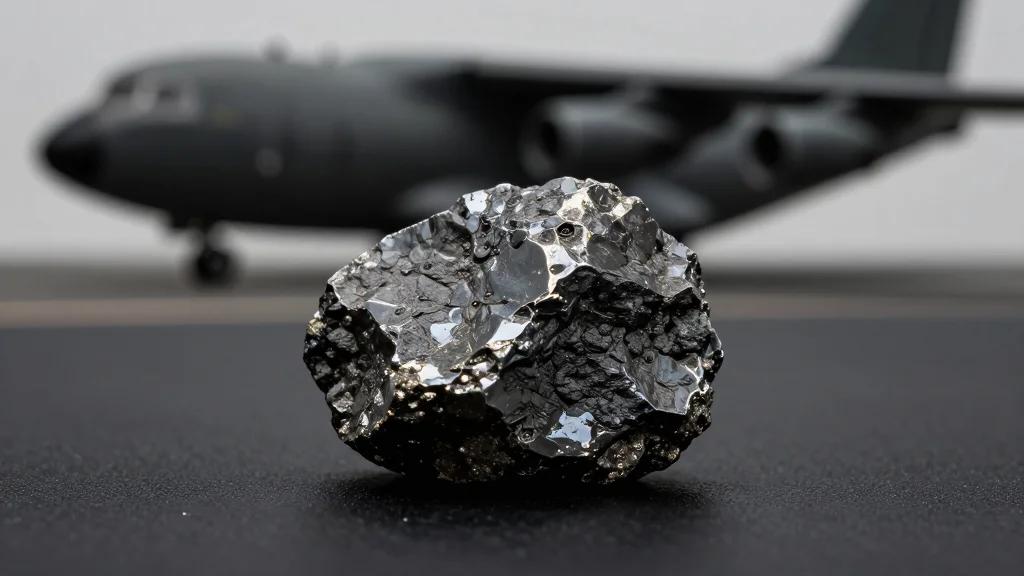
Aussie Miners Get Inside Track Into US Defence Supply Chain with DIBC Listing
Companies Mentioned
Why It Matters
By integrating Australian critical‑minerals producers into the DIBC, the U.S. strengthens domestic defence supply chains while offering these firms a lucrative, government‑backed market. The shift reduces strategic dependence on China and creates new investment opportunities in the sector.
Key Takeaways
- •DIBC membership reaches 1,755, adding dozens of Australian critical‑minerals firms
- •Bayan Mining joins DIBC to commercialize yttrium upgrade; price $1,500/kg outside China
- •American Tungsten proposes hub‑and‑spoke model linking US projects to a central refinery
- •Critica’s pilot plant hits 81% magnet REO recovery, boosting rare‑earth output
- •Renascor aims to replace China’s 99% PSG graphite supply with Australian‑sourced product
Pulse Analysis
The Department of Defense’s Defense Industrial Base Consortium (DIBC) represents a strategic pivot toward securing non‑Chinese critical minerals for national security. Operating under the Other Transaction Authority, DIBC bypasses traditional procurement red tape, offering flexible, non‑dilutive funding to accelerate research and commercialisation. With the U.S. currently 100% dependent on imported yttrium—over 70% from China—price disparities have exploded, making domestic sources a priority for radar, optics and aerospace applications.
Australian miners have responded swiftly, leveraging DIBC membership to align their projects with U.S. defence needs. Bayan Mining’s yttrium upgrade patent promises a cost‑effective, lower‑complexity production route, while American Tungsten & Antimony’s hub‑and‑spoke model envisions district‑scale processing feeding a central refinery to create a secure tungsten supply chain. Critica’s Jupiter project in Western Australia has demonstrated an 81% recovery of magnet rare‑earth oxides, and Renascor’s graphite purification technology targets the U.S. market’s reliance on China’s 99% share of petroleum‑coke‑derived graphite.
The broader impact extends beyond supply security. By opening DIBC to foreign partners, the U.S. cultivates a diversified ecosystem of innovators, creating new revenue streams for Australian firms and offering investors exposure to a growing defence‑critical minerals market. As the consortium matures, expect increased collaboration, accelerated technology transfer, and a reshaping of global mineral trade dynamics, with Australia positioned as a key ally in the race to de‑China critical supply chains.
Aussie miners get inside track into US defence supply chain with DIBC listing
Comments
Want to join the conversation?
Loading comments...