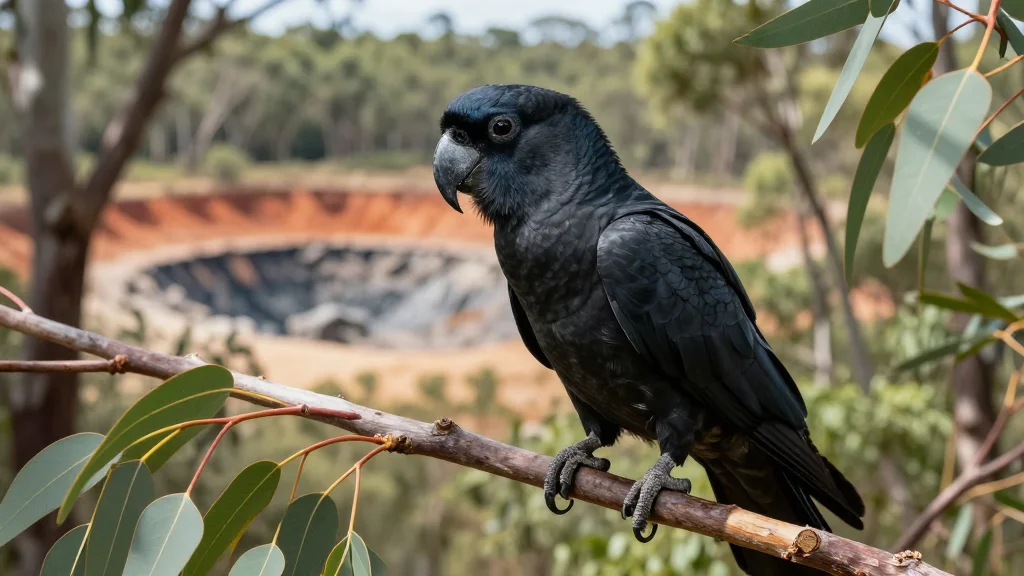
Australia Grants Alcoa National‑interest Exemption, Sparking Black Cockatoo Crisis

Why It Matters
The exemption highlights a growing tension between Australia’s ambition to secure critical mineral supply chains and its responsibility to protect world‑class biodiversity. The Northern Jarrah Forest is a global biodiversity hotspot; any further degradation could push the Baudin’s black cockatoo to extinction, erasing a species that has survived since the continent’s early settlement. If the strategic assessment fails to deliver meaningful habitat protection, the precedent could embolden other resource projects to seek similar exemptions, weakening environmental safeguards across the country. Conversely, a successful mitigation model could demonstrate how high‑value mineral extraction can coexist with rigorous conservation, informing policy for other critical mineral hubs worldwide.
Key Takeaways
- •Australian government granted Alcoa a national‑interest exemption on Feb. 18, allowing continued bauxite mining in the Northern Jarrah Forest.
- •Alcoa will pay A$55 million ($39.5 million) for enforceable environmental undertakings, including offsets and habitat restoration.
- •The Baudin’s black cockatoo, critically endangered, relies on the forest; NGOs say the remediation package is insufficient.
- •Strategic assessment will cover Alcoa’s Huntly and Willowdale mines through 2045, replacing project‑by‑project reviews.
- •Bauxite-derived gallium is deemed critical for semiconductors, EVs, solar panels and defense, linking mineral security to the exemption.
Pulse Analysis
The Alcoa exemption is a textbook case of policy trade‑offs in the era of the green transition. On one hand, Australia is positioning itself as a reliable supplier of downstream critical minerals like gallium, a move that strengthens its geopolitical standing against China’s dominance in the sector. On the other, the decision sidesteps traditional environmental review mechanisms, relying on a strategic assessment that promises holistic oversight but lacks independent verification at this stage.
Historically, Australia’s mining approvals have been scrutinized for inadequate post‑closure rehabilitation, especially in the Jarrah region where legacy clearings have already fragmented ecosystems. The $39.5 million remediation fund, while sizable, must be measured against the 28,000 ha already cleared and the 80 % rehabilitation claim, which may not translate into functional habitat for the cockatoo. If the strategic assessment delivers transparent, science‑based targets and enforces compliance, it could become a model for balancing mineral security with biodiversity. Failure, however, risks a reputational blow for Australia’s environmental commitments and could trigger stricter international scrutiny of its export credentials.
Looking ahead, the real test will be the implementation phase. Independent monitoring, community involvement, and clear metrics for habitat recovery will determine whether the exemption is a pragmatic compromise or a short‑term win for industry at the expense of an irreplaceable species. The outcome will likely influence future exemption requests, shaping the policy landscape for critical mineral projects worldwide.
Australia grants Alcoa national‑interest exemption, sparking black cockatoo crisis
Comments
Want to join the conversation?
Loading comments...