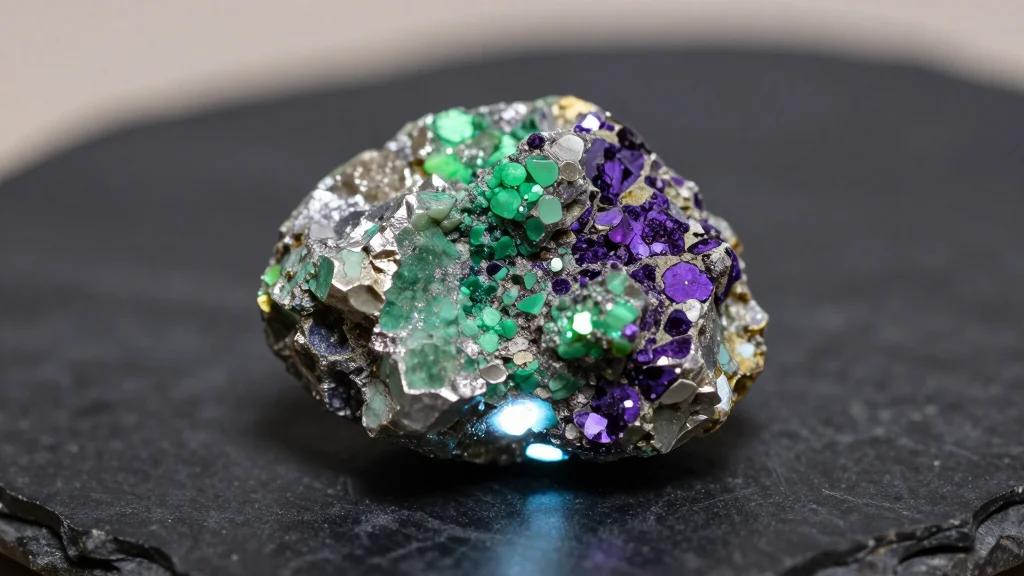
Australia, Japan Commit $1.67 Bn to Boost Critical Minerals Supply Chains

Companies Mentioned
Why It Matters
Securing critical minerals is essential for the global transition to clean energy, electric mobility and advanced electronics. By pooling resources, Australia and Japan aim to diversify supply away from geopolitical hotspots, reducing the risk of shortages that could stall manufacturing and defense programs. The partnership also demonstrates how coordinated public financing can de‑risk capital‑intensive mining projects, encouraging private sector participation and accelerating the rollout of low‑carbon technologies. Beyond the immediate economic boost, the initiative could reshape global trade patterns. If successful, it may prompt other mineral‑rich countries to form similar alliances, creating a more resilient and geographically dispersed supply network. This shift would have downstream effects on pricing, investment flows, and the strategic calculations of both consumer and producer nations.
Key Takeaways
- •Australia and Japan sign a joint declaration committing up to $1.3 bn (Australia) and $370 m (Japan) to critical‑minerals projects.
- •Key projects include Lynas rare‑earths, Alcoa gallium recovery, Magnium magnesium, and Tivan Speewah fluorite.
- •Funding will be delivered via the Critical Minerals Facility, Export Finance Australia and Japan’s JOGMEC.
- •The partnership targets supply‑chain diversification for rare earths, lithium, gallium, magnesium and fluorite.
- •A joint ministerial review is planned for early 2027 to assess progress and future financing.
Pulse Analysis
The Australia‑Japan critical‑minerals pact arrives at a moment when supply‑chain security has become a national security imperative for advanced economies. Historically, the rare‑earth market has been dominated by a single supplier, creating a strategic vulnerability that has prompted diversification efforts across Europe, the United States and now the Indo‑Pacific. By committing $1.67 bn, the two governments are not merely funding individual mines; they are building a vertically integrated ecosystem that includes extraction, processing and downstream manufacturing. This holistic approach reduces transaction costs and aligns incentives across the value chain, a lesson learned from earlier, fragmented attempts to secure rare‑earths.
From a market perspective, the infusion of public capital is likely to lower the cost of capital for early‑stage projects that have struggled to attract private equity due to perceived geopolitical risk and long development timelines. The involvement of JOGMEC, a state‑backed entity with a track record of strategic investments, adds credibility and may encourage other sovereign wealth funds to participate. Consequently, we can expect a wave of ancillary financing deals, from debt facilities to equity partnerships, that will broaden the investor base beyond traditional mining financiers.
Looking ahead, the success of this partnership will hinge on execution. Regulatory streamlining, community engagement and environmental compliance will be the litmus tests for each project’s viability. If the identified projects meet their production targets and demonstrate low‑carbon footprints, the model could be replicated with other resource‑rich partners, potentially reshaping the global critical‑minerals landscape into a more multipolar market. For now, the $1.67 bn pledge signals a decisive shift from rhetoric to tangible investment, setting the stage for a more secure and diversified supply chain that underpins the next wave of green and digital technologies.
Australia, Japan Commit $1.67 bn to Boost Critical Minerals Supply Chains
Comments
Want to join the conversation?
Loading comments...