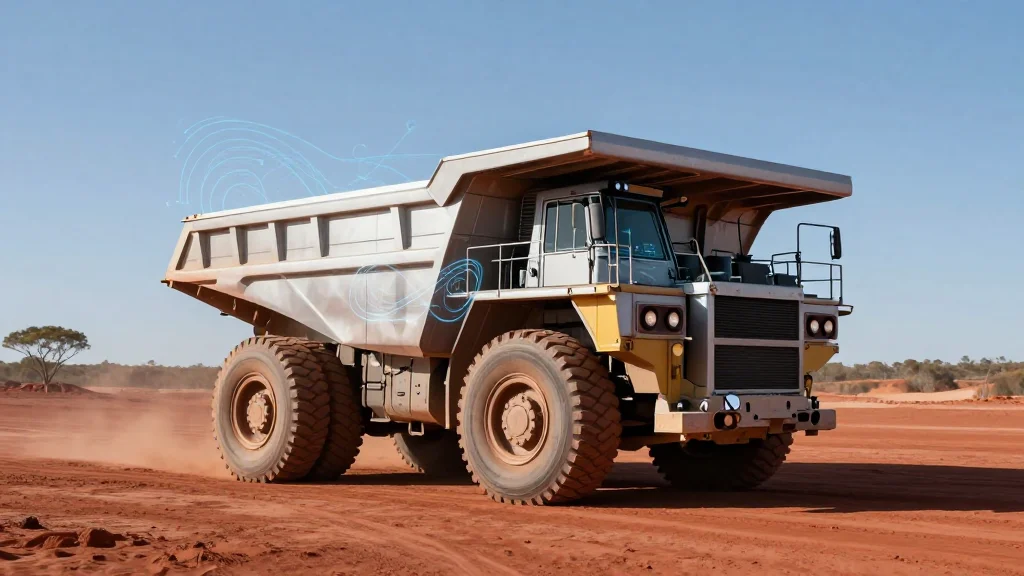
Automation and FIFO: Changing Roles in Australia’s Remote Mines
Why It Matters
Automation promises safer, more productive mines while threatening traditional FIFO roles, making workforce reskilling a critical economic priority for Australia’s remote mining sector.
Key Takeaways
- •Automation drives 90% autonomy in Rio Tinto’s haul‑truck fleet.
- •FIFO workforce contributes ~$45 bn to Australian economy annually.
- •Skill gaps emerge in remote monitoring and data analytics.
- •Robotic delivery bots now service FIFO villages in WA.
- •Reskilling needed to shift workers from manual to digital roles.
Pulse Analysis
Australia’s fly‑in‑fly‑out (FIFO) model underpins the nation’s remote mining output, supporting more than 100,000 workers and delivering roughly $45 billion in economic activity each year. The model’s growth—15% annual increase since 2020—has been fueled by high wages (about $1,870 USD per week) that compensate for grueling 12‑hour shifts and isolated living conditions. However, the same remote sites are becoming testbeds for advanced automation, from driverless haul trucks to AI‑guided drilling rigs, reshaping the traditional labor‑intensive landscape.
The operational impact of automation is two‑fold. On the one hand, autonomous fleets such as Rio Tinto’s 90% driverless trucks and BHP’s fully automated Komatsu 930E fleet dramatically reduce on‑site exposure to fatigue‑related errors and accidents, addressing mental‑health concerns that have plagued FIFO workers. On the other hand, these technologies displace routine roles, creating a pronounced skill gap in remote monitoring, data interpretation and robot maintenance. Companies like Airswift warn that without accelerated retraining programs, the transition could leave a sizable portion of the workforce behind, even as demand for AI‑savvy technicians surges—roles that grew 135% between 2019 and 2025.
Beyond the pit, automation is extending into the villages that house FIFO crews. Sodexo’s Ottobot, a four‑wheeled delivery robot, now services Rio Tinto’s Gudai‑Darri site, handling food and supply runs for over 2,000 workers. Cleaning robots and AI‑driven logistics platforms are also being piloted to streamline facility management and reduce staffing pressures. While these innovations promise higher efficiency and better living standards, they reinforce the need for a coordinated reskilling strategy. Industry consensus suggests FIFO will remain essential, but its future will be defined by a smaller, more flexible workforce equipped to oversee and maintain the very machines that are reshaping mining operations.
Automation and FIFO: changing roles in Australia’s remote mines
Comments
Want to join the conversation?
Loading comments...