Big Oil Begins Return to Canada Amid Energy Crunch
Companies Mentioned
Why It Matters
The moves secure a reliable North‑American supply base for LNG and oil, reducing reliance on volatile Middle‑East flows and reshaping global energy investment priorities.
Key Takeaways
- •Shell buys ARC Resources for $16.4 bn, adding 370k boe/d
- •Deal gives Shell 2 bn barrels of reserves and LNG Canada supply boost
- •KKR, Apollo, Blackstone eye $10‑15 bn sale of Shell’s LNG Canada stake
- •TotalEnergies, Equinor, ConocoPhillips, BP scouting Canadian acquisition targets
Pulse Analysis
The ongoing disruption of Middle‑East oil and gas flows has reignited demand for secure, non‑political supply sources. Canada, with its vast oil‑sand and gas reserves, now offers a stable alternative, especially after the Trans Mountain pipeline reached double its original capacity and new export projects such as LNG Canada approach full operation. The Canadian government's recent pro‑energy stance further reduces regulatory friction, making the market more appealing to global majors that had retreated a decade ago. This shift coincides with heightened interest from Asian and European buyers seeking diversification away from traditional suppliers.
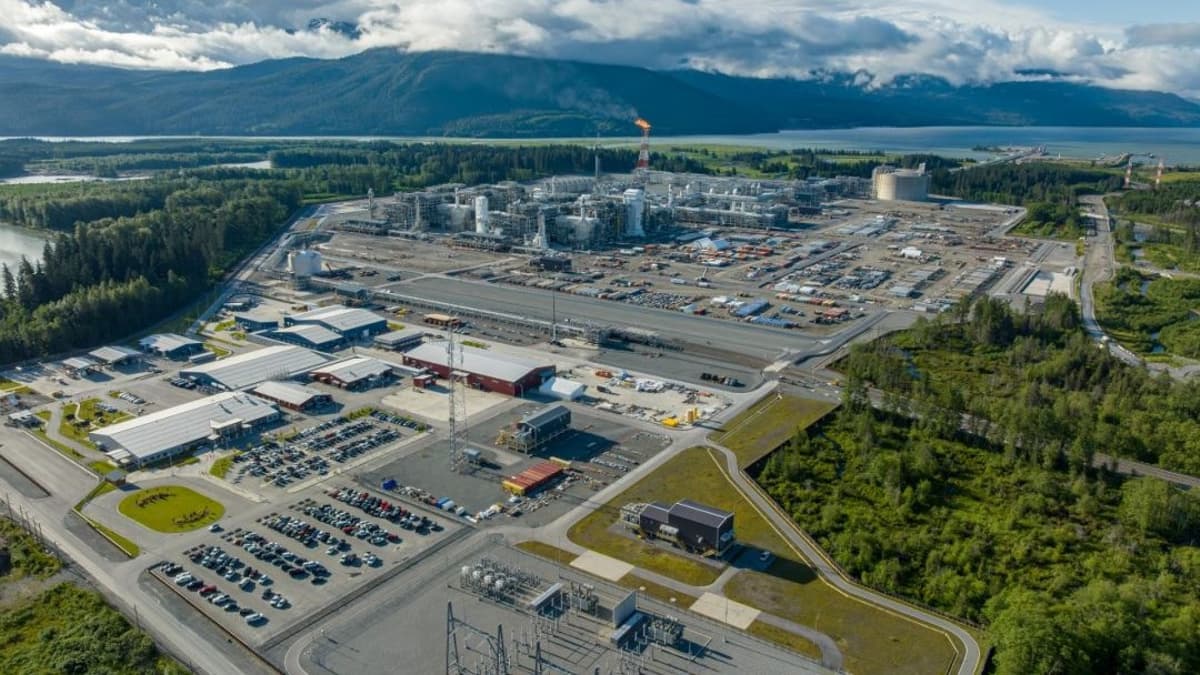
Shell’s $16.4 billion acquisition of ARC Resources is the most concrete signal of that reversal. The deal adds roughly 370,000 barrels of oil equivalent per day and unlocks about 2 billion barrels of reserves, directly feeding the LNG Canada project where Shell holds a 40 % stake. Strengthening its feedstock guarantees a reliable LNG supply for Asia‑focused growth, while also positioning the company to monetize a potential $10‑15 bn partial sale of its LNG Canada equity, a transaction now attracting KKR, Apollo and Blackstone.
Other supermajors—TotalEnergies, Equinor, ConocoPhillips and BP—have already tasked banks with scouting Canadian targets, indicating that Shell’s move may be the first of many. Investors are recalibrating, placing less weight on carbon‑emission concerns and more on the economics of hydrocarbons amid a global energy crunch. If additional pipelines and the planned Ksi Lisims LNG facility materialize, Canada could export up to 26 million tons of LNG annually, cementing its role as a cornerstone of Western energy security.
Big Oil Begins Return to Canada amid Energy Crunch
Comments
Want to join the conversation?
Loading comments...