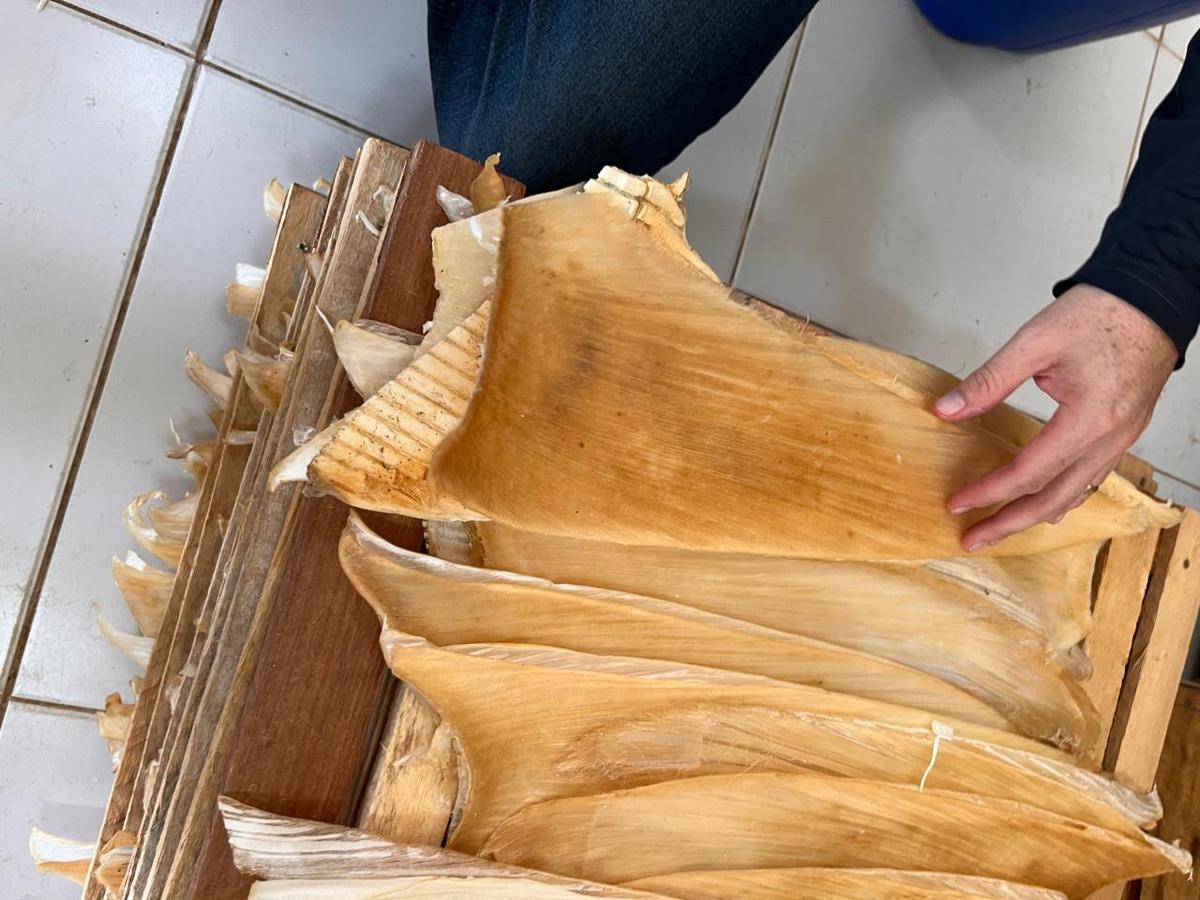
Brazilian Police Seize More than 1.5 Metric Tons of Shark Fins
•March 3, 2026
0
Why It Matters
The seizure highlights persistent illegal shark‑fin trafficking in Brazil, threatening vulnerable species and exposing gaps in enforcement and regulatory loopholes that could reshape global marine conservation policy.
Key Takeaways
- •1.5 t shark fins seized in Bahia, Brazil.
- •Seven arrested, three Chinese nationals implicated.
- •Vulnerable Atlantic nurse and blue sharks targeted.
- •Brazil's legal loophole enables fin export from bycatch.
- •CONAMA urges full shark fin ban, still pending.
Pulse Analysis
The February raid in Bahia marks Brazil’s latest high‑profile crackdown on a transnational shark‑fin network. Federal agents linked the operation to three Chinese nationals who appear to coordinate the supply chain, while local workers handled processing. Genetic testing aims to confirm the presence of Atlantic nurse and blue shark fins—species listed as vulnerable or near‑threatened—illustrating how organized crime exploits biodiversity hotspots for profit.
Brazilian law criminalizes shark finning, yet an exemption permits the export of fins from by‑catch when the whole animal is landed. Critics argue this loophole enables smugglers to disguise illegal harvests as legitimate trade, a concern echoed after a 2023 seizure of 29 metric tons—the world’s largest to date. Enforcement agencies struggle with limited vessel monitoring and observer coverage, allowing syndicates to operate in remote processing sites like Rodelas. The recent bust underscores the need for tighter traceability, automated monitoring systems, and stronger penalties to deter future violations.
In response, the National Environmental Council (CONAMA) has issued a unanimous, non‑binding recommendation to ban all shark‑fin commerce. While the proposal awaits governmental approval, it signals growing political will to close regulatory gaps. A comprehensive ban could reshape supply chains, reduce demand for illegal fins, and bolster recovery efforts for threatened shark populations. Stakeholders—from fisheries to international NGOs—are watching Brazil’s policy trajectory, recognizing that decisive action could set a precedent for other nations grappling with similar wildlife‑trade challenges.
Brazilian police seize more than 1.5 metric tons of shark fins
0
Comments
Want to join the conversation?
Loading comments...