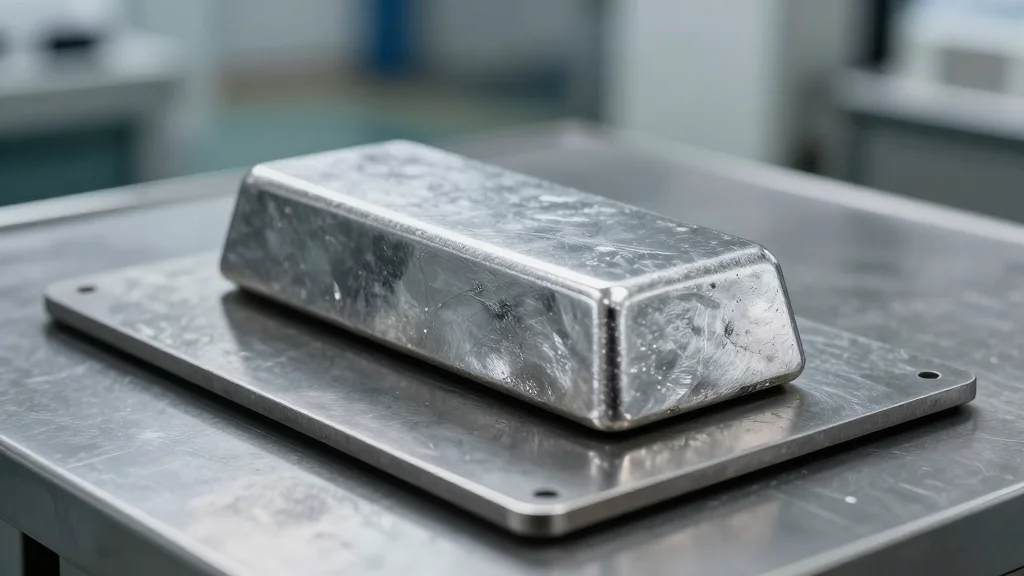
Businesses, Industries Urge US Government to Apply Export Controls on Tungsten
Companies Mentioned
Why It Matters
Tungsten is vital for defense, energy and high‑tech manufacturing, and unchecked exports risk a strategic supply gap for U.S. national security and industrial competitiveness.
Key Takeaways
- •China supplies >80% of global tungsten.
- •U.S. hasn't mined tungsten commercially since 2015.
- •Export of scrap depletes domestic secondary tungsten market.
- •Letter urges licensing for tungsten scrap to adversary nations.
Pulse Analysis
The push for export controls on tungsten reflects a broader U.S. effort to safeguard critical minerals that underpin defense and advanced manufacturing. While tungsten’s high melting point and density make it indispensable for aerospace components, missile systems, and drilling equipment, the United States has become heavily dependent on imports, with China dominating more than four‑fifths of global output. Recent Chinese export curbs have already driven up prices, exposing the vulnerability of American supply chains that lack domestic mining and rely on a dwindling stock of recycled scrap.
Industry leaders argue that the unregulated flow of mill‑ready and scrap tungsten abroad not only inflates foreign procurement costs but also erodes the secondary market that U.S. fabricators depend on for cost‑effective raw material. By exporting high‑grade scrap, foreign processors—often state‑owned entities in strategic adversary nations—can quickly re‑refine the material, effectively bypassing U.S. oversight. Implementing licensing under the Export Administration Regulations would give the Commerce Department a tool to retain critical material within the country, supporting both commercial manufacturers and the defense industrial base.
Policymakers now face a choice: act swiftly to establish a national tungsten strategy that includes domestic mining incentives, recycling infrastructure, and strategic stockpiles, or risk a prolonged supply shortfall that could hamper everything from oil‑field drilling to satellite launch systems. The letter’s recommendations—targeted export licensing, a rapid supply‑chain assessment, and an inter‑agency working group—align with broader bipartisan initiatives to reduce reliance on foreign critical minerals. If adopted, these measures could strengthen U.S. manufacturing resilience, protect national security interests, and stabilize market pricing for a material that is literally the bedrock of modern industry.
Businesses, industries urge US government to apply export controls on tungsten
Comments
Want to join the conversation?
Loading comments...