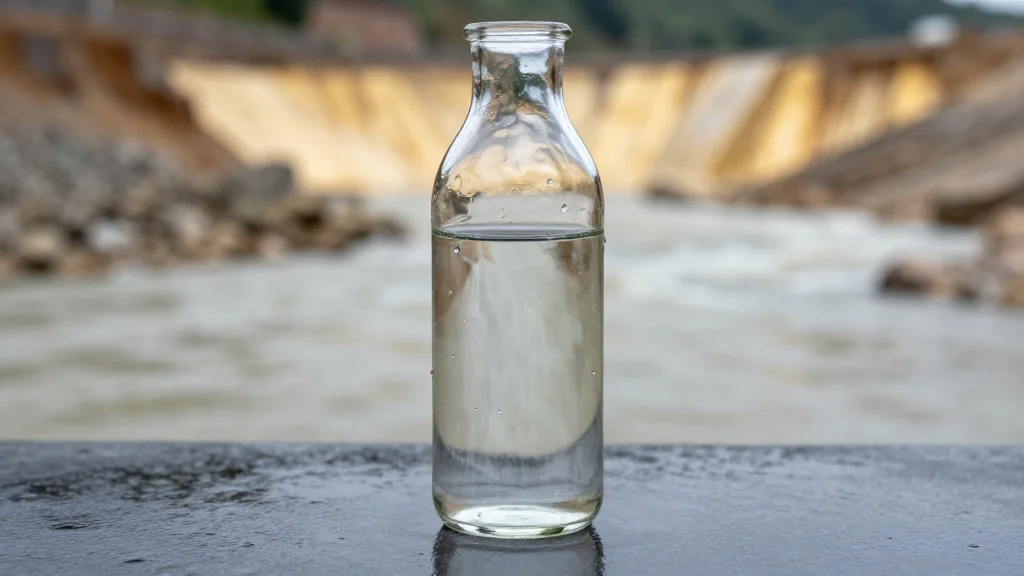
Cambodia Delays Release of Water Test Results Amid Mining‑Linked Health Complaints

Why It Matters
The episode underscores the fragile balance between Cambodia’s drive for mineral revenues and its obligations to protect Indigenous health and biodiversity. Transparent environmental monitoring is essential for maintaining community trust and for meeting international standards that govern donor funding for protected areas. Moreover, contamination of a Mekong tributary could have transboundary implications, affecting water quality for neighboring Laos, Thailand and Vietnam. If the government continues to withhold data, it risks setting a precedent that mining operators can operate with limited accountability, potentially inviting further investment in high‑risk extractive projects without robust safeguards. Conversely, a prompt, science‑based disclosure could reinforce Cambodia’s commitment to sustainable mining practices and preserve the ecological integrity of one of Southeast Asia’s most critical river systems.
Key Takeaways
- •Ministry of Environment tested O’Ta Bouk River water, sediment and 34 fish species after Brao health complaints.
- •No test results have been released more than two months after sampling, fueling community mistrust.
- •Gold mining concession (18,900 ha) granted to Global Green (Cambodia) sits within Virachey National Park.
- •Minister Keo Rattanak dismissed earlier contamination reports as “fake news,” intensifying controversy.
- •International donors have contributed nearly $2 million to protect the park, now at risk from mining pollution.
Pulse Analysis
Cambodia’s handling of the O’Ta Bouk testing reflects a broader governance challenge in resource‑rich developing economies: reconciling short‑term fiscal gains from mining with long‑term environmental stewardship. The delayed data release is not merely a bureaucratic lag; it signals a systemic reluctance to expose potential regulatory failures. In comparable contexts—such as Indonesia’s Grasberg mine or Ghana’s gold belt—transparent monitoring has been a prerequisite for maintaining social license and attracting responsible investment. Cambodia’s silence could deter future donor support for conservation, especially as the $2 million park funding hinges on demonstrable environmental outcomes.
From a market perspective, the uncertainty may depress the valuation of mining assets in the region. Investors increasingly factor ESG (environmental, social, governance) risks into pricing, and opaque testing regimes raise the cost of capital for operators like Global Green. Should independent labs confirm heavy‑metal contamination, remediation obligations could run into tens of millions of dollars, eroding profit margins and prompting stricter licensing criteria.
Looking ahead, the episode could catalyze policy reform. Pressure from Indigenous groups, NGOs and regional Mekong authorities may compel the Cambodian government to adopt real‑time water‑quality monitoring and third‑party verification. Such steps would not only protect public health but also align Cambodia with emerging ASEAN standards on mining transparency, potentially unlocking new avenues for sustainable investment while preserving the ecological heart of Virachey National Park.
Cambodia Delays Release of Water Test Results Amid Mining‑Linked Health Complaints
Comments
Want to join the conversation?
Loading comments...