Can Chile Turn Its Mining Waste Into a New Source of Minerals?
Why It Matters
Unlocking minerals from tailings could diversify global critical‑mineral supply chains and reduce Chile’s environmental liability, while also creating new revenue streams for the mining sector.
Key Takeaways
- •Chile has 836 tailings sites, 80% inactive or abandoned
- •Tailings may contain cobalt, rare earths vital for clean‑energy tech
- •Reprocessing requires high water and energy, stressing desert resources
- •New regulations aim to create “extraction deposits” to streamline permits
- •Pilot projects recover copper, molybdenum, but scaling remains costly
Pulse Analysis
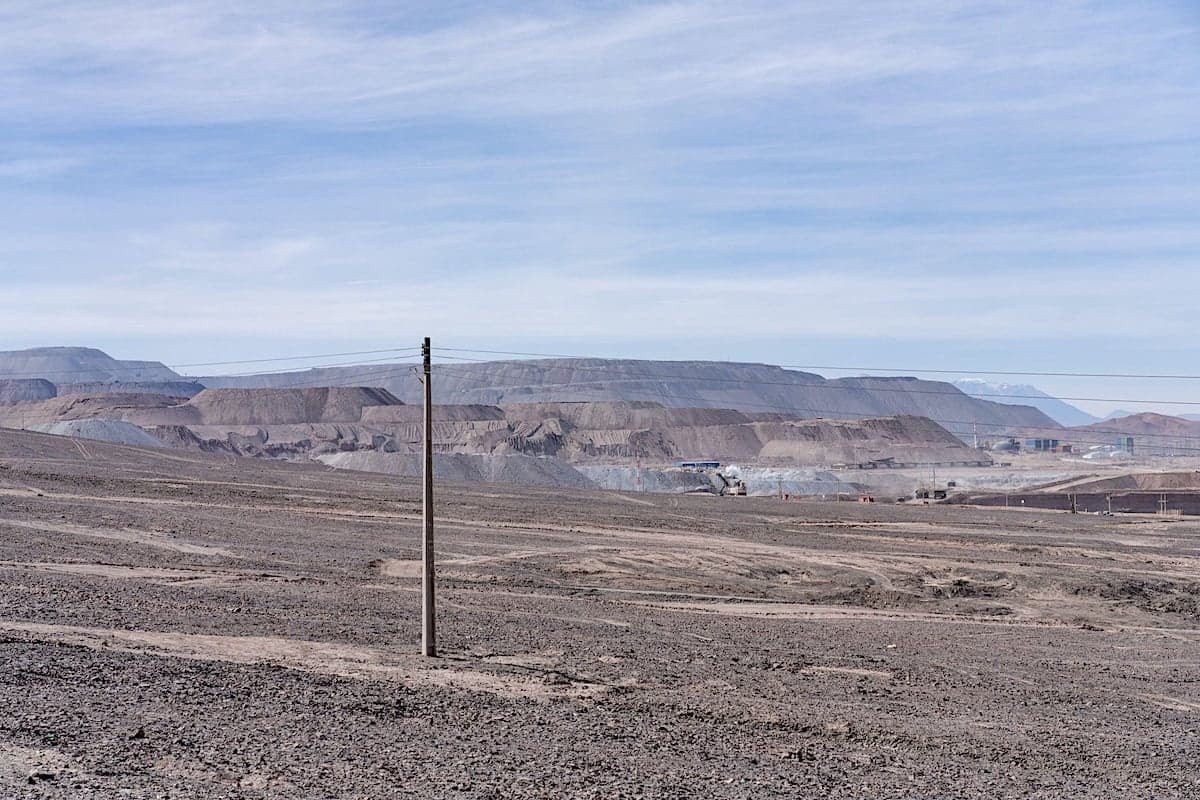
Chile’s vast network of mining tailings—over 800 piles scattered across the Atacama desert—has moved from a legacy waste problem to a potential strategic asset. As the world seeks to secure supplies of cobalt, rare earth elements and other critical minerals for electric‑vehicle batteries, wind turbines and defense systems, Chile’s geology offers a unique advantage. By extracting these metals from existing waste, the country could reduce dependence on China’s dominant processing capacity and position itself as a key player in the emerging circular‑mining economy.
However, the technical and environmental hurdles are significant. Tailings reprocessing consumes large volumes of water—a scarce commodity in the hyper‑arid north—and requires substantial energy inputs, raising concerns about competition with local communities and ecosystems. Each deposit has a distinct mineralogy, meaning there is no one‑size‑fits‑all solution; sophisticated hydraulic and chemical methods are needed to separate valuable elements without releasing toxic or radioactive by‑products. Recent pilot work, such as Minera Valle Central’s high‑pressure slurry technique, demonstrates feasibility for copper and molybdenum, but scaling to rare earth extraction remains costly and uncertain.
Policy and market dynamics are converging to shape the sector’s future. Chile’s Ministry of Mining is revising regulations to create a new “extraction deposit” classification, which would simplify permitting and encourage small‑scale innovators. Digital monitoring tools, AI‑driven stability models, and satellite imagery are being deployed to manage tailings safety and mitigate spill risks. If the regulatory framework, technology, and community safeguards align, Chile could turn a historical environmental liability into a lucrative source of critical minerals, supporting the global energy transition while addressing local environmental and social concerns.
Can Chile turn its mining waste into a new source of minerals?
Comments
Want to join the conversation?
Loading comments...