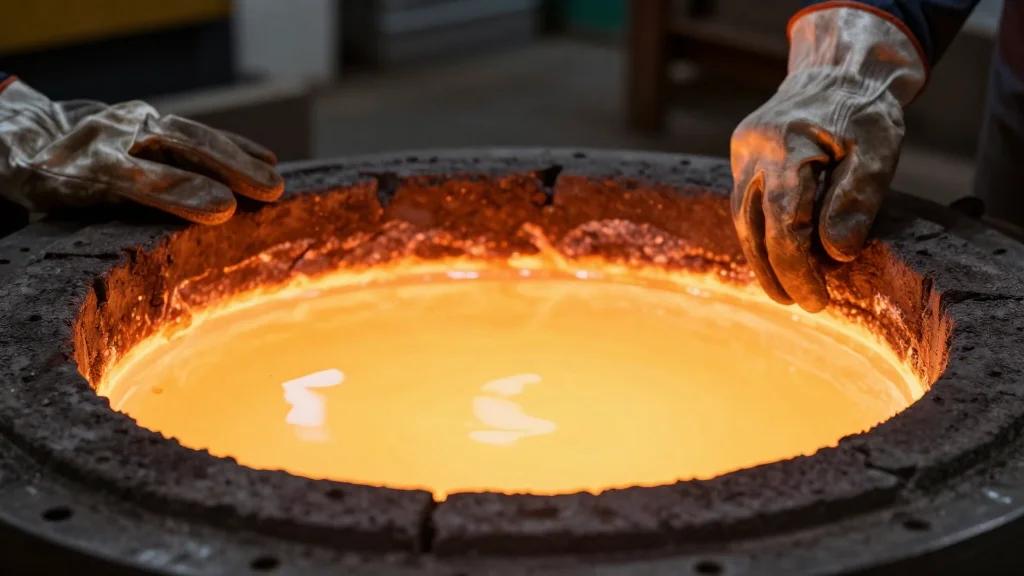
Century Aluminum Starts Production at Expanded Mt. Holly Plant
Why It Matters
The capacity surge strengthens U.S. supply‑chain resilience amid global disruptions and leverages tariff‑induced incentives, positioning domestic aluminum as a strategic asset for national security and clean‑energy manufacturing.
Key Takeaways
- •Mt. Holly expansion adds 750,000 t annual capacity, 10% U.S. increase
- •Project creates 125 permanent jobs and 1,000+ direct jobs in Oklahoma
- •DOE may fund up to $500 million under the Inflation Reduction Act
- •Domestic tariffs and supply risks drive record investment in U.S. aluminum
Pulse Analysis
The United States has long lagged behind China and the Middle East in primary aluminum production, a gap that has become a focal point for policymakers after supply-chain shocks and rising geopolitical tensions. President Trump's Section 232 tariff on imported aluminum, renewed under the current administration, has effectively raised the cost of foreign metal, prompting a wave of domestic investment. Industry analysts view this policy shift as a catalyst for reshoring critical minerals, aligning with broader goals to secure materials essential for electric vehicles, aerospace, and renewable‑energy infrastructure.
Century Aluminum’s Mt. Holly facility in South Carolina is now producing hot‑metal, adding 750,000 t of capacity and lifting U.S. output by about 10 percent. The plant creates more than 125 permanent jobs and aims for full capacity by June 2026. At the same time, a joint venture with Emirates Global Aluminum is advancing a 750,000‑ton smelter in Oklahoma, projected to create over 1,000 direct jobs and 4,000 construction positions. The DOE has allocated up to $500 million for the Oklahoma project under the Inflation Reduction Act, signaling strong federal support for domestic metal production.
The twin projects illustrate how tariff policy and clean‑energy legislation are reshaping America’s aluminum landscape. By boosting domestic primary production, Century reduces reliance on imported metal vulnerable to geopolitical disputes and logistics bottlenecks. The Oklahoma smelter will use renewable electricity, creating a “green aluminum” source for electric‑vehicle and aerospace manufacturers seeking low‑carbon inputs. As the industry scales, investors view U.S. aluminum assets as strategic, likely driving further capital inflows and innovation in recycling and low‑emission technologies.
Century Aluminum starts production at expanded Mt. Holly plant
Comments
Want to join the conversation?
Loading comments...