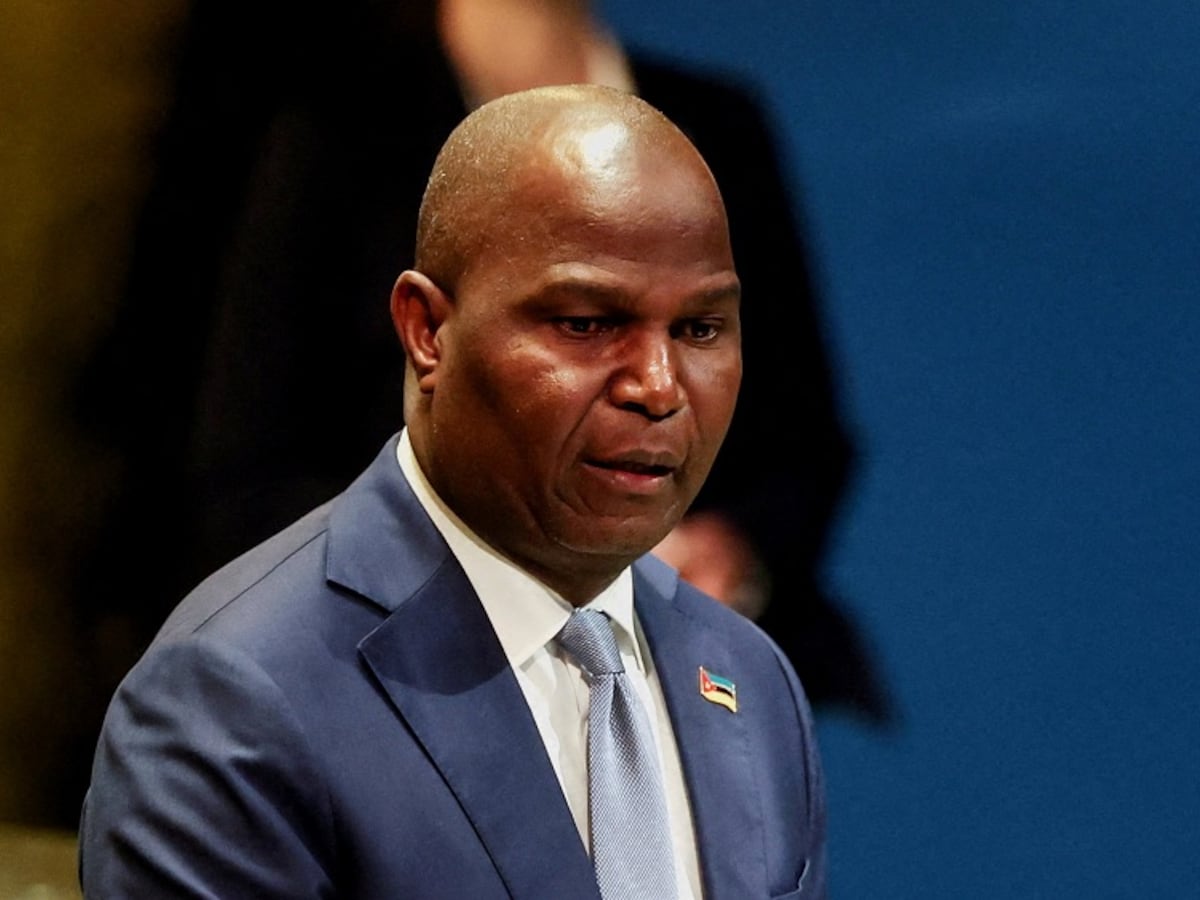
Chapo Signs Law for 15% State Ownership in All Mozambique Mining Ventures
Companies Mentioned
Why It Matters
The policy could boost domestic industrial capacity, increase government revenues, and reshape global supply chains for battery minerals as demand surges.
Key Takeaways
- •15% state ownership required in every mining venture
- •Law forces local processing of minerals, limiting raw exports
- •Applies to new projects; impact on existing contracts unclear
- •Positions Mozambique with Africa’s resource‑nationalism trend
- •Could attract investment in downstream processing facilities
Pulse Analysis
Mozambique’s new mining law arrives at a pivotal moment for the global battery market. As the world’s third‑largest graphite producer, the country sits atop a resource that powers electric‑vehicle batteries and large‑scale energy storage. By insisting on a 15 % state equity share and mandating local processing, the government seeks to capture more of the value chain that has traditionally flowed overseas, especially to China and Europe. This shift mirrors a broader African trend where governments are re‑examining legacy mining agreements to ensure national interests are protected.
For investors, the legislation signals both risk and opportunity. On one hand, the requirement for a non‑dilutable state stake may increase project costs and introduce political risk, particularly for existing concessions whose terms are still being clarified. On the other hand, the prohibition on exporting raw minerals without ministerial approval creates a clear incentive to develop downstream facilities—smelters, refining plants, and battery‑grade graphite processing units—within Mozambique’s borders. Companies that can partner with the state‑owned National Mining Company (ENM) or secure the necessary authorizations may gain a first‑mover advantage in a market poised for rapid growth.
The broader impact extends to global supply chains. As battery manufacturers scramble for secure, ethically sourced materials, Mozambique’s tighter control could enhance the provenance of its graphite, making it more attractive to manufacturers seeking to diversify away from China‑dominant sources. However, the success of the policy will depend on the government’s ability to deliver transparent licensing, invest in infrastructure, and balance fiscal objectives with the need to maintain a competitive investment climate. If managed well, Mozambique could evolve from a raw‑material exporter to a regional hub for battery‑grade graphite processing, reshaping the economics of the electric‑vehicle supply chain.
Chapo signs law for 15% state ownership in all Mozambique mining ventures
Comments
Want to join the conversation?
Loading comments...