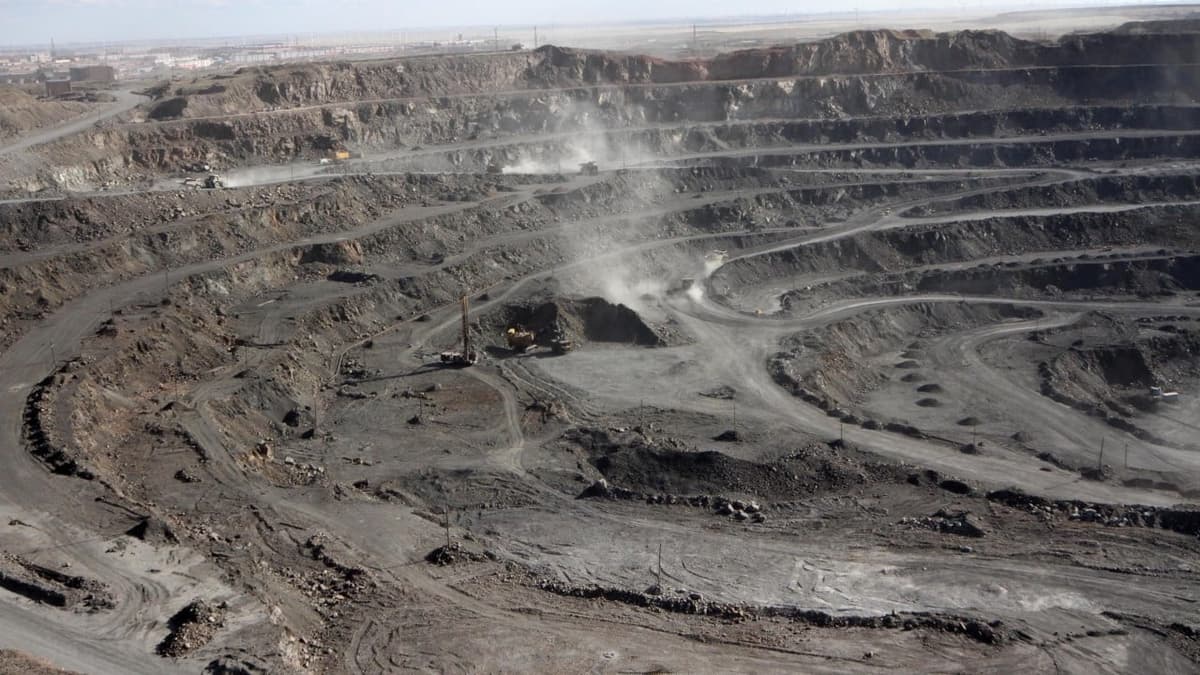
China Rare Earth Breakthrough in Icy Northeast Could Cement Country’s Dominance
Why It Matters
The find offers a more efficient, greener source of critical minerals, strengthening China’s strategic dominance while giving governments a new variable in rare‑earth supply‑chain planning.
Key Takeaways
- •New mineral dissociation deposits found in Heilongjiang, Jilin
- •Loose sand‑gravel deposits contain both light and heavy rare earths
- •Extraction may be cheaper and greener than southern ion‑adsorption mines
- •Could reshape China's rare‑earth map and strengthen supply‑chain security
Pulse Analysis
China’s rare‑earth sector has long relied on ion‑adsorption deposits in the humid south, where clay minerals trap valuable elements but demand chemical leaching that wastes up to a quarter of the material and harms the environment. The recent identification of mineral‑dissociation deposits in the icy northeast upends that model. Formed by repeated freeze‑thaw cycles, these deposits break alkaline granite into loose sand and gravel, concentrating both light (lanthanum, cerium, neodymium) and heavy (yttrium, dysprosium) rare earths in minerals like monazite and xenotime. Early sampling shows total rare‑earth concentrations exceeding those of traditional southern sites, suggesting a richer, more accessible resource base.
From an operational standpoint, the sand‑gravel matrix eliminates the need for intensive chemical leaching, allowing mechanical separation techniques that cut energy use and lower greenhouse‑gas emissions. Analysts estimate that extraction costs could drop by 15‑20% compared with southern operations, while recovery rates improve beyond the 75‑80% typical of ion‑adsorption mines. This environmental advantage aligns with China’s recent pledges to curb mining pollution and may make the northern deposits attractive for downstream processing facilities seeking greener inputs for high‑performance magnets, superconductors and electric‑vehicle components.
Strategically, the breakthrough reinforces China’s near‑monopoly over the rare‑earth supply chain, a critical lever in defense, renewable‑energy and high‑tech sectors. As the United States and other Western nations scramble to diversify sources, the new northern deposits expand China’s domestic portfolio and reduce reliance on a single geological model. Policymakers will need to factor this development into trade negotiations, investment decisions and efforts to build alternative processing capacity abroad, underscoring the geopolitical weight of geological discoveries in the era of clean‑technology competition.
China rare earth breakthrough in icy northeast could cement country’s dominance
Comments
Want to join the conversation?
Loading comments...