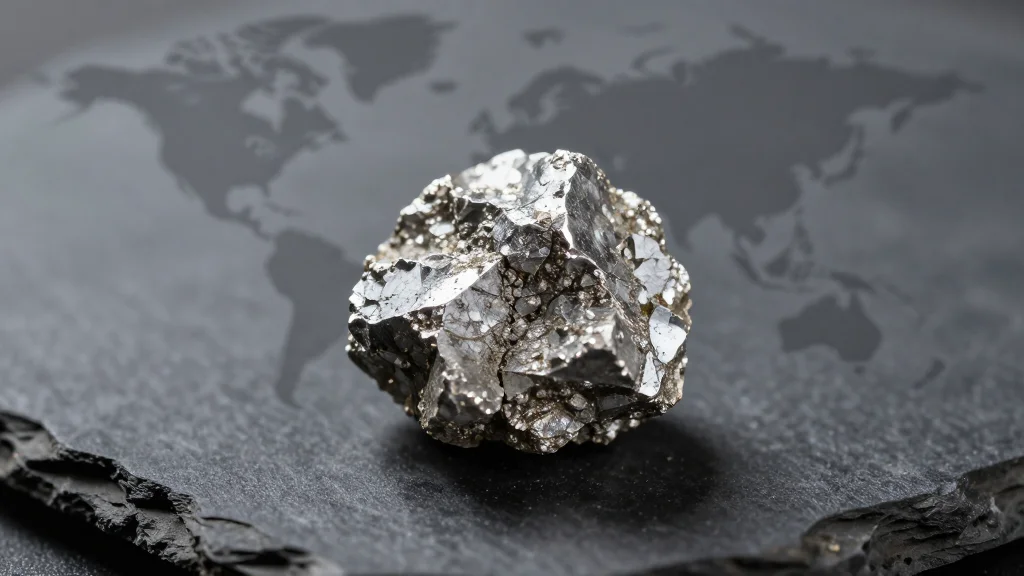
China Tightens Screws on Rare Earth Production
Why It Matters
Rare earths are essential for electronics, electric vehicles, and defense, so tighter Chinese controls could reshape global supply chains and pricing, prompting buyers to diversify sources.
Key Takeaways
- •China proposes strict rare‑earth production quotas to curb over‑supply
- •MIIT will require new licensing and enforce penalties for excess output
- •Quotas aim to stabilize prices ahead of upcoming US‑China talks
- •Foreign miners such as Lynas may face reduced export volumes
- •Global tech and defense sectors could see tighter rare‑earth supply
Pulse Analysis
Rare earth elements—neodymium, dysprosium, and others—are the backbone of modern magnets, electric‑vehicle drivetrains, and advanced defense systems. China currently supplies roughly 60 % of the world’s output, giving Beijing outsized influence over pricing and availability. In recent years, a surge in domestic mining and export growth has driven global prices down, prompting concerns about market stability and environmental strain. The latest policy proposal from the Ministry of Industry and Information Technology signals a decisive move to re‑balance supply, protect domestic interests, and reinforce China’s strategic leverage.
The draft rules call for explicit production quotas tied to regional licensing, with penalties ranging from fines to suspension of mining permits for firms that exceed limits. Quotas will be calibrated annually based on global demand forecasts, and a central reporting system will monitor output in real time. Domestic companies will need to submit detailed production plans, while foreign operators such as Australia’s Lynas face tighter export approvals and possible caps on shipments to China’s downstream manufacturers. The MIIT has indicated a phased rollout beginning in the second quarter of 2026, giving the industry a short adjustment window.
Analysts warn that tighter Chinese controls could tighten global supply and push rare‑earth prices higher, pressuring manufacturers of smartphones, wind turbines, and military hardware to seek alternative sources. The United States and European Union have already accelerated investments in domestic processing and in projects such as the Mountain Pass mine in California and the Nechalacho deposit in Canada. If China’s quotas succeed in stabilizing its market, the short‑term price shock may be offset by a more predictable supply curve, but the strategic risk of over‑reliance on a single supplier remains a key concern for policymakers.
China tightens screws on rare earth production
Comments
Want to join the conversation?
Loading comments...