Why It Matters
Transforming mine‑water from a pollutant into a marketable resource cuts environmental damage while creating new revenue streams for mining regions, accelerating the sector’s shift toward sustainable operations.
Key Takeaways
- •Poland's hard‑coal mines discharge 200 million m³ of saline water annually
- •Discharged water contains ~1.5 million Mg of dissolved salts each year
- •Desalination can recover high‑purity NaCl for industrial use
- •Reusing treated water cuts mining costs and supports local industries
- •Policy incentives needed to scale water‑reuse technologies
Pulse Analysis
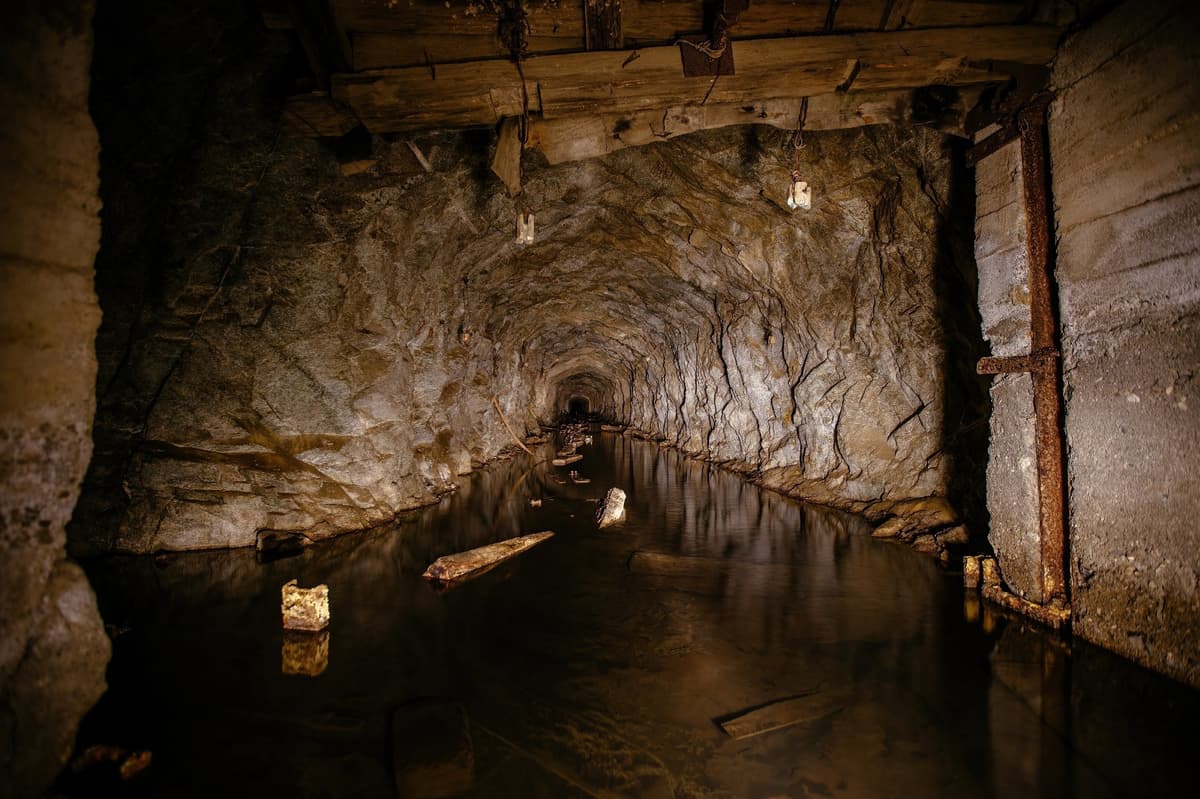
The mining sector is confronting a legacy problem: massive volumes of saline water that have traditionally been dumped into rivers, degrading ecosystems and triggering regulatory scrutiny. The Polish case study quantifies this burden, showing that even as coal output declines, water pumping remains high to protect underground workings, resulting in roughly 200 million cubic metres of discharge annually. This volume carries an estimated 1.5 million megagrams of dissolved salts, a figure that places Poland among Europe’s top anthropogenic saline emitters. By framing mine‑water as a resource rather than waste, the study aligns with global circular‑economy trends that seek to decouple production from environmental harm.
Advanced treatment technologies—primarily reverse‑osmosis desalination and mineral crystallization—can extract sodium chloride and other valuable minerals at industrial scales. The recovered NaCl can feed chemical manufacturers, road‑de‑icing operations, or food‑grade processes, while the purified water can be recycled for dust suppression, cooling, or even municipal supply in water‑scarce locales. Economically, these pathways offset treatment expenses and generate ancillary revenue, improving the financial resilience of mining operations facing volatile commodity markets. Moreover, the reduced discharge lessens the risk of fish‑kill events and restores river health, delivering tangible ecosystem services.
Realizing this potential hinges on supportive policy frameworks and investment incentives. Governments and regulators must streamline permitting for water‑reuse projects, subsidize capital costs of desalination plants, and embed resource‑recovery targets into mining licences. Industry consortia can accelerate technology diffusion by sharing best practices and pooling R&D funds. As the sector moves toward post‑mining land‑use planning, reclaimed water and extracted minerals become assets that can fund reclamation and community development, turning a historical liability into a catalyst for sustainable regional growth.
Circular Water Recovery Transforms Mining Waste Streams
Comments
Want to join the conversation?
Loading comments...