Clean Energy’s Dirty Secret Lies in Critical Mineral Extraction
Why It Matters
The transition to clean energy hinges on minerals that are currently extracted under conditions that threaten sustainability and social equity, making responsible sourcing a strategic imperative for investors and policymakers.
Key Takeaways
- •Lithium, cobalt, copper demand could double by 2030, quadruple by 2050
- •Mining projects average 15.5 years from discovery to production
- •DRC cobalt processing value rose from $167M to $6B in 2022
- •UN report links lithium, cobalt mining to water scarcity and toxic exposure
- •New UN guidance demands human‑rights, environmental, equity standards for mineral extraction
Pulse Analysis
The global push for renewable power and electric vehicles has turned critical minerals into a strategic commodity, comparable to oil in the 20th century. Forecasts from industry analysts suggest that by 2030 the world will need roughly twice today’s supply of lithium, cobalt, copper and nickel, with demand potentially quadrupling by 2050. This surge is reshaping geopolitics, as nations vie for access to deposits concentrated in a handful of resource‑rich countries, from the Democratic Republic of Congo to Chile and Indonesia. The race for minerals is accelerating investment in exploration, yet the long lead time—averaging 15.5 years from discovery to first production—means supply gaps could emerge faster than new mines come online.
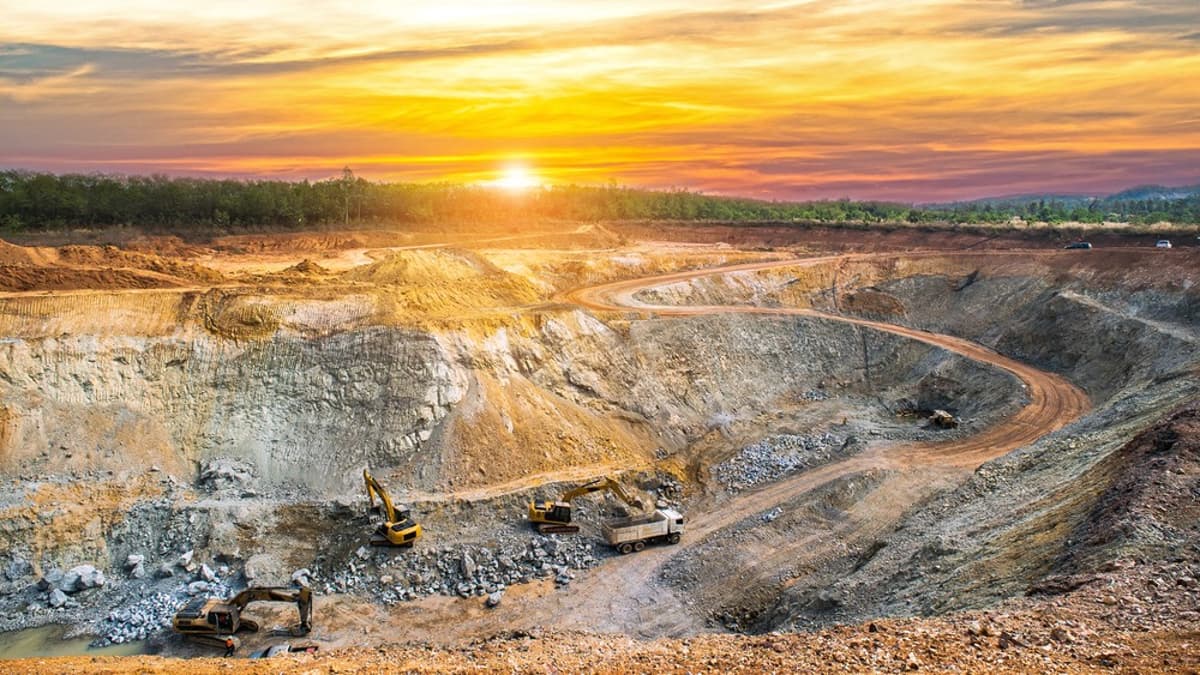
While the economic upside is clear, the environmental and social costs are mounting. A United Nations University report found that lithium, cobalt and nickel extraction is draining freshwater basins, contaminating soils with heavy metals, and exposing local populations to health hazards. In the DRC, river systems near cobalt mines are polluted, and 64 % of residents still lack basic water services. Indigenous groups across Latin America warn that unchecked mining threatens sacred lands and biodiversity. Even deep‑sea mining proposals, floated by the United States, risk bypassing any international regulatory framework, potentially replicating the offshore oil playbook with even less oversight.
In response, the UN released guidance in 2025 that places human‑rights, environmental integrity and equity at the core of mineral supply chains. The framework encourages host countries to move up the value chain, as illustrated by the DRC’s shift from raw cobalt exports to processed products, which tripled export revenues to $6 billion. For multinational corporations and investors, adhering to these standards is becoming a risk‑management priority; failure to do so could trigger reputational damage, legal challenges, and supply disruptions. Sustainable financing mechanisms, transparent traceability tools, and stronger bilateral agreements are emerging as the new playbook for securing the clean‑energy transition without repeating the environmental mistakes of the fossil‑fuel era.
Clean Energy’s Dirty Secret Lies in Critical Mineral Extraction
Comments
Want to join the conversation?
Loading comments...