CMAI’s Denis Clement Says Alberta Black Shales Could Supply Critical Minerals for the West
Key Takeaways
- •SBH Project holds up to 50 billion tons shale
- •Bioleaching will extract multiple critical minerals
- •Alberta seeks economic diversification through critical minerals
- •Company plans public financing and NRC technology partnership
- •Preliminary economic assessments slated for next 12‑18 months
Pulse Analysis
The global race for critical minerals has intensified as governments and manufacturers scramble to secure supplies for clean‑energy technologies. North America, in particular, faces a strategic gap, importing the majority of rare earths and battery metals from Asia. Projects that can deliver domestic sources are therefore becoming strategic assets, attracting both public policy support and private capital. In this context, the SBH Project’s scale—potentially rivaling the oil‑sand basins in volume—positions it as a cornerstone for a home‑grown supply chain, especially for metals essential to electric vehicles and renewable‑energy storage.
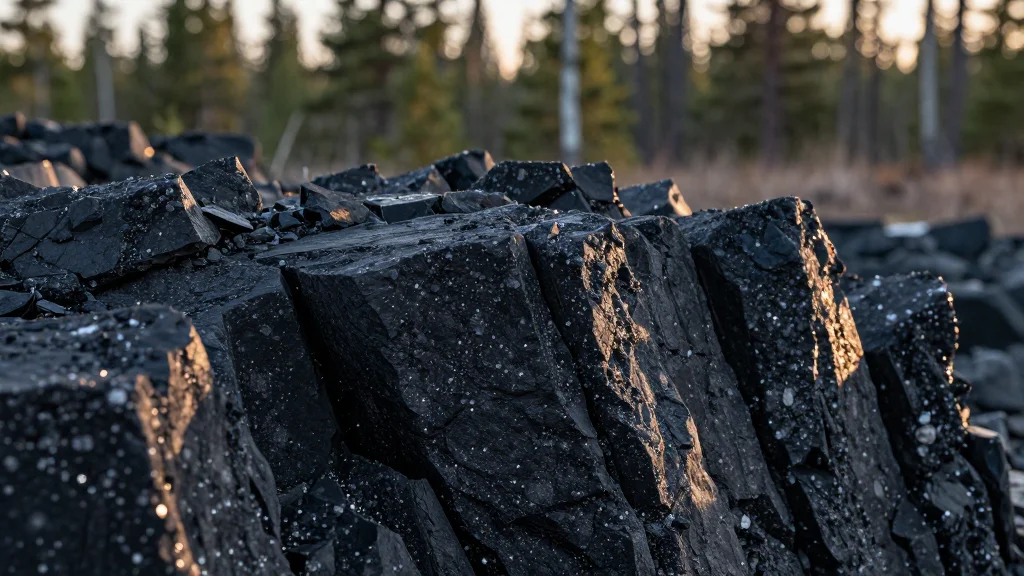
The SBH deposit’s black shale hosts a diverse mineral suite, from lithium and cobalt to vanadium and uranium, all amenable to bioleaching—a low‑impact extraction method that uses microorganisms to dissolve target elements while leaving the bulk rock largely intact. This approach could lower capital expenditures and environmental footprints compared with traditional mining, aligning with Alberta’s emerging sustainability goals. Moreover, the recent NI 43‑101 technical report validates the resource’s size and grade, providing a credible foundation for investors and partners to evaluate the project’s economics.
Alberta’s government has signaled a clear intent to diversify its economy beyond hydrocarbons, and the SBG project dovetails with that strategy. By appointing former ministers and seasoned legal counsel to its board, Critical Minerals Americas signals strong stakeholder alignment and regulatory insight. The upcoming public financing round and partnership with the National Research Council aim to accelerate pilot testing and preliminary economic assessments, setting a timeline for potential commercial production within the next decade. If successful, the project could reshape regional employment, export revenues, and Canada’s position in the critical minerals market.
CMAI’s Denis Clement Says Alberta Black Shales Could Supply Critical Minerals for the West
Comments
Want to join the conversation?