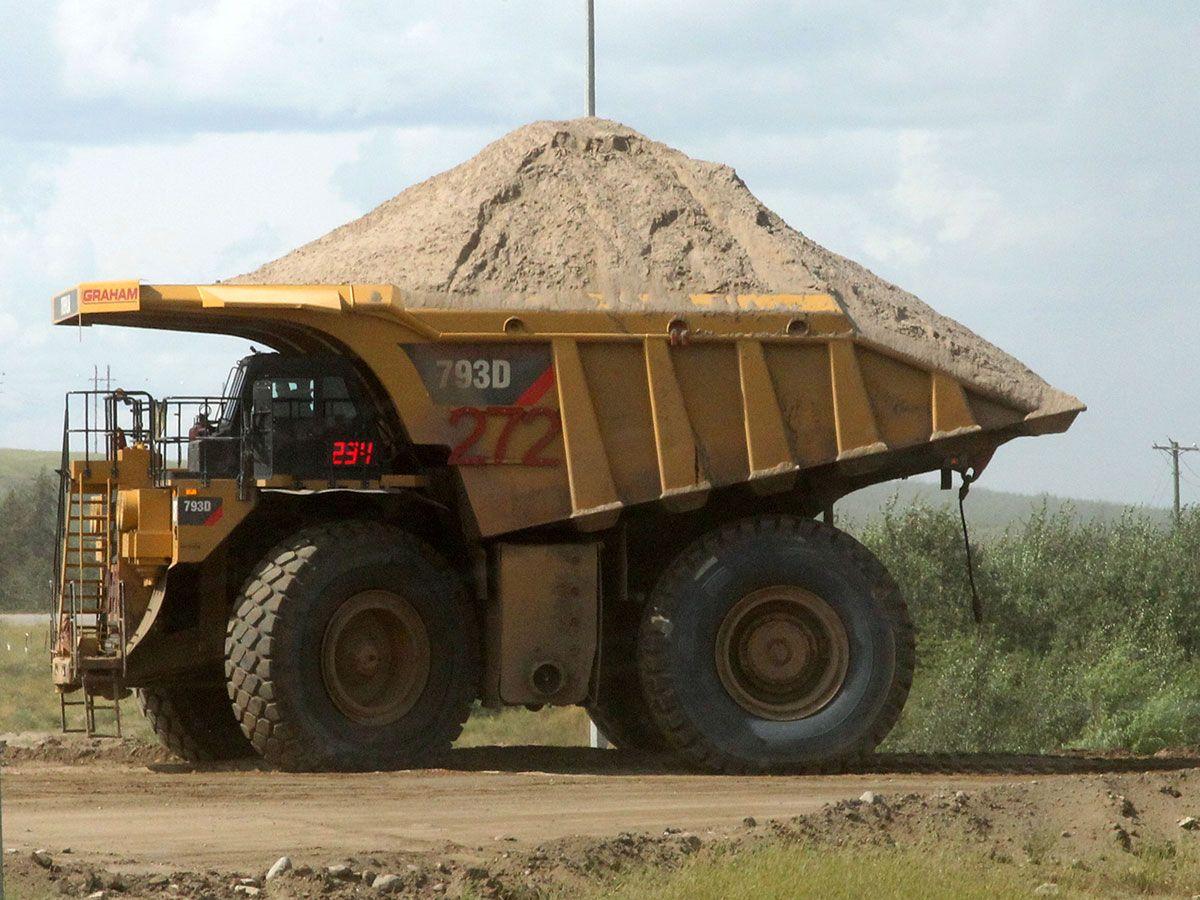
CNRL Says It Will Delay $8-Billion Mine Expansion Until Carbon Pricing Rules Are Clear
•March 5, 2026
0
Why It Matters
Regulatory ambiguity threatens the economics of costly oilsands expansions, potentially reshaping capital allocation across the sector. The move signals that carbon‑pricing policy will be a decisive factor for future Canadian energy investment.
Key Takeaways
- •CNRL postpones $8.25 billion Jackpine expansion
- •Carbon‑pricing rules remain undefined, driving project uncertainty
- •Potential compliance costs could add billions across oilsands
- •Delay trims 2026 capital budget by $310 million
- •Pipeline capacity shortage compounds growth hesitancy
Pulse Analysis
The Canadian oilsands are entering a pivotal regulatory crossroads as Ottawa and Alberta wrestle with carbon‑pricing and methane‑emission standards. While the federal government estimates its proposed methane rules could impose roughly $15 billion in compliance costs, the final figure remains fluid pending negotiations. For capital‑intensive projects like CNRL’s Jackpine expansion, which promises an additional 150,000 barrels per day, the uncertainty translates directly into higher risk premiums and delayed cash‑flow forecasts. Investors are now weighing policy risk alongside traditional market variables such as crude price volatility.
CNRL’s decision to defer the $8.25 billion expansion underscores how regulatory clarity has become a prerequisite for large‑scale capital commitments. By cutting $310 million from its 2026 budget, the company preserves financial flexibility while awaiting a more predictable policy environment. The delay also dovetails with broader infrastructure bottlenecks; the province’s new bitumen pipeline to British Columbia hinges on demonstrable emissions‑reduction progress, creating a feedback loop between environmental compliance and transport capacity. Consequently, project timelines are increasingly linked to both climate policy outcomes and the resolution of pipeline approvals.
Across the Canadian energy sector, the CNRL postponement serves as a bellwether for future investment behavior. Oil producers are adopting a cautious stance, prioritizing long‑term planning assumptions over opportunistic expansion amid geopolitical shocks and fluctuating WTI prices. As carbon‑pricing mechanisms solidify, firms that can adapt quickly to higher compliance costs may capture market share, while those slower to adjust could see capital erosion. The evolving regulatory landscape will likely dictate the pace of oilsands growth, shaping the competitive dynamics of North America’s energy market for years to come.
CNRL says it will delay $8-billion mine expansion until carbon pricing rules are clear
0
Comments
Want to join the conversation?
Loading comments...