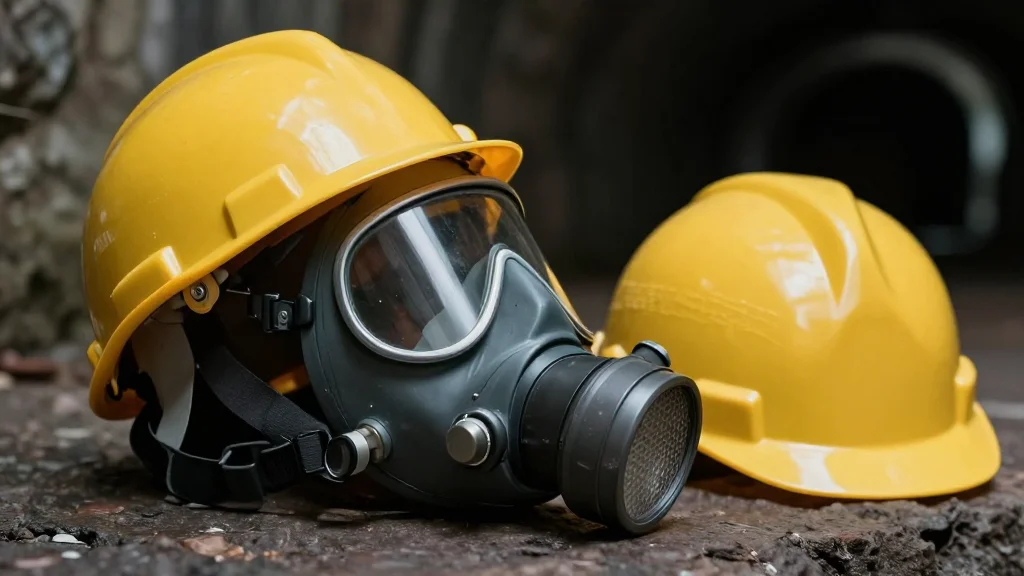
Confined Space Rescue Training for Safer Underground Mining
Why It Matters
Effective confined‑space rescue training lowers injury risk, limits production downtime and protects companies from costly regulatory penalties, making it a strategic safety investment for the mining sector.
Key Takeaways
- •OSHA mandates permit‑required confined‑space training for underground miners
- •Training includes atmospheric monitoring, retrieval systems, and communication protocols
- •Regular drills and equipment inspections are required by MSHA and global regulators
- •Non‑entry rescue techniques reduce risk before rescuers enter hazardous zones
- •Integrated training improves compliance, lowers incident costs, and protects workers
Pulse Analysis
Regulatory frameworks across the United States, Australia, Canada and South Africa now require documented confined‑space rescue capability for every underground operation. Mine operators must not only secure permits for entry but also demonstrate that rescue teams are trained, equipped and regularly audited. The cost of non‑compliance—ranging from fines to shutdowns—has driven a shift from paperwork‑only programs to fully integrated safety systems that align with MSHA and OSHA expectations while supporting broader corporate ESG goals.
Modern rescue curricula focus on realistic scenario‑based drills that mirror the unique geometry and ventilation challenges of each mine. Participants master multi‑gas monitors, supplied‑air respirators and non‑entry retrieval methods such as tripod‑winch systems, allowing a response to begin before a rescuer enters a hazardous atmosphere. Training frequency is dictated by regulation—typically quarterly or semi‑annual—and is reinforced by physical‑fitness tests and first‑aid certification. By coupling equipment inspections with digital record‑keeping, mines can quickly produce audit trails and identify gaps before an incident occurs.
From a business perspective, investing in structured confined‑space rescue programs yields measurable returns. Companies report fewer lost‑time injuries, reduced insurance premiums and smoother regulatory reviews. As mining ventures deeper and farther from surface support, the reliance on autonomous monitoring and remote communication tools will grow, making continuous training essential. Forward‑looking operators view rescue readiness not as a compliance checkbox but as a competitive advantage that safeguards personnel, maintains production continuity and reinforces stakeholder confidence.
Confined Space Rescue Training for Safer Underground Mining
Comments
Want to join the conversation?
Loading comments...