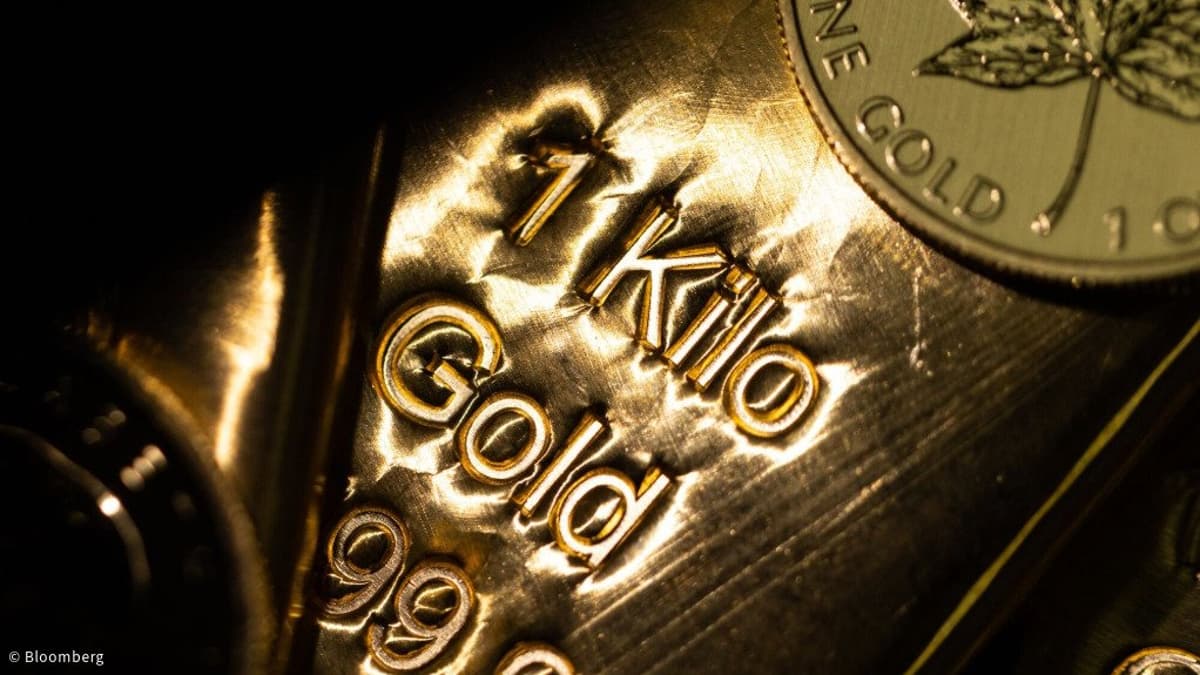
Consultancy Unpacks Why Gold Prices Are Trending Lower Despite High Demand
Why It Matters
The analysis shows that traditional safe‑haven narratives no longer dominate gold pricing; investors must track monetary policy and real yields to anticipate near‑term moves. Understanding this shift is crucial for portfolio allocation in a volatile macro environment.
Key Takeaways
- •Real yields up, making non‑yielding gold less attractive.
- •Fed’s tight policy outweighs geopolitical safe‑haven demand.
- •Rising oil fuels inflation, tightening, and gold price pressure.
- •Central‑bank buying provides floor, limiting downside risk.
- •Bullish long‑term target $5,500‑$6,400 per ounce if conditions shift.
Pulse Analysis
Gold’s recent price dip underscores a structural evolution in how the metal is valued. While investors have long leaned on geopolitical tension and safe‑haven appeal, today’s market is more sensitive to the cost of capital. Real yields—driven by the Federal Reserve’s commitment to combat lingering inflation—have risen, eroding the relative attractiveness of a non‑yielding asset like gold. This dynamic is amplified by a stronger dollar, which further depresses gold’s price in dollar terms, creating a short‑term bearish bias despite robust physical demand.
The inflation feedback loop adds another layer of complexity. Higher oil prices, once a catalyst for gold rallies via risk‑off sentiment, now intensify price pressures by feeding broader inflation, prompting the Fed to maintain or even tighten policy. As real yields climb, investors face a higher opportunity cost for holding gold, pushing the metal into a repricing phase. Yet, the underlying demand fundamentals remain solid; sovereign reserves continue to accumulate gold as a hedge against dollar exposure, providing a floor that caps downside moves and signals resilience.
Looking ahead, three triggers could reverse the current trajectory: a measurable decline in inflation, a clear shift in Fed rhetoric toward easing, or a de‑escalation of geopolitical tensions that reduces energy‑price shocks. Should any of these materialize, gold could re‑enter a bullish cycle, with analysts projecting a medium‑term target of $5,500 to $6,400 per ounce. For investors, the key takeaway is to balance short‑term tactical exposure with an appreciation of gold’s long‑term structural strengths, positioning portfolios to benefit from both the repricing phase and potential future rallies.
Consultancy unpacks why gold prices are trending lower despite high demand
Comments
Want to join the conversation?
Loading comments...