Defense Metals Conditionally Approved for Canadian Infrastructure Funding
•March 4, 2026
0
Why It Matters
The financing accelerates a domestic source of critical rare‑earths while cutting carbon emissions, strengthening North America’s clean‑tech supply chain.
Key Takeaways
- •C$1.88M funding for 60‑km transmission line.
- •Project hosts 25.5M tonnes at 2.4% oxide grade.
- •Expected 31,900 tonnes REE concentrates annually.
- •Funding reduces carbon footprint via hydroelectric power.
- •Infrastructure upgrades target completion by 2028.
Pulse Analysis
The global push for electric vehicles, renewable energy storage, and advanced electronics has intensified demand for rare‑earth elements, positioning North America to secure its own supply chain. Canada’s recent Critical Minerals Strategy earmarks federal dollars to de‑risk projects that can deliver strategic metals domestically. Defense Metals’ Wicheeda deposit, one of the continent’s most advanced rare‑earth projects, aligns with this policy, offering a sizable reserve and a clear path to commercial production that could lessen reliance on Asian exporters.
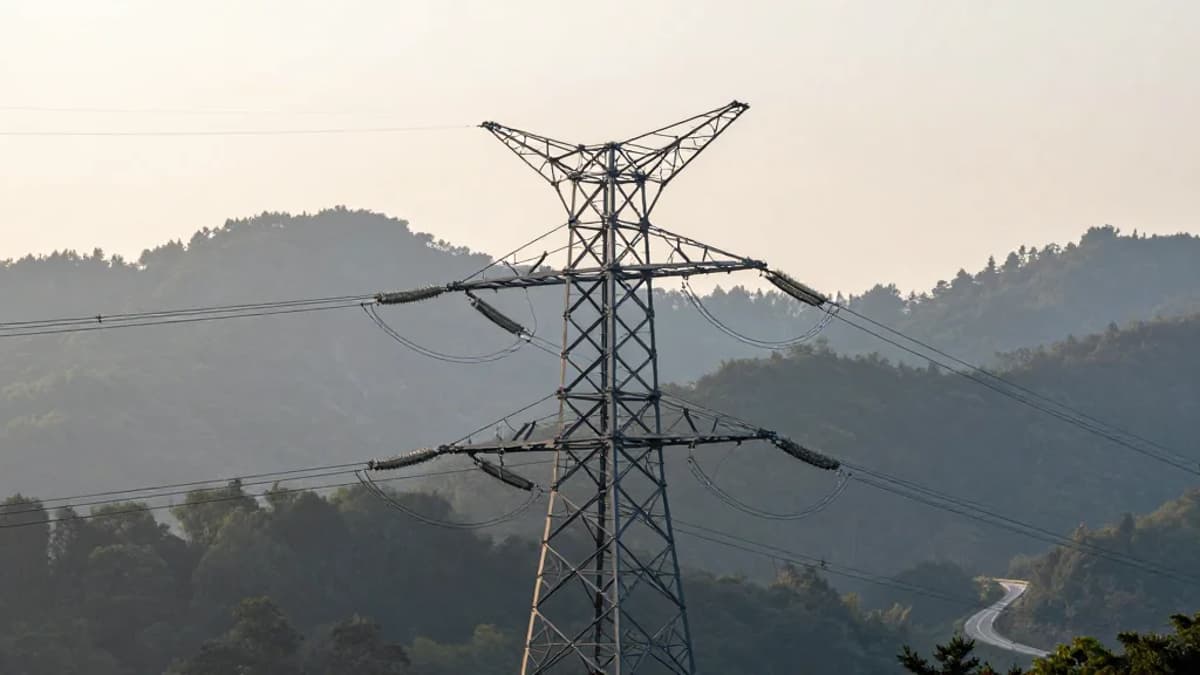
Access to clean, grid‑connected hydroelectric power is a game‑changer for mining economics and sustainability. The C$1.88 million grant enables a 60‑kilometre transmission line capable of supplying up to 35 MW directly to the mine, dramatically lowering operating costs compared with diesel‑generated power and slashing greenhouse‑gas emissions. Coupled with road upgrades and rail integration studies, the infrastructure package improves site accessibility, safety, and logistical efficiency, setting a benchmark for low‑carbon mining practices that regulators and investors increasingly demand.
Beyond the Wicheeda site, the funding reflects a broader shift toward coordinated government‑industry collaboration in critical mineral development. Fast‑track permitting by British Columbia, combined with federal financial support, reduces project timelines and signals confidence to capital markets, even as Defense Metals’ shares dipped modestly on the news. As the project moves toward a feasibility study and an environmental assessment, its success could catalyze further investments in Canadian rare‑earth projects, reinforcing the country’s role in the emerging clean‑technology supply chain.
Defense Metals conditionally approved for Canadian infrastructure funding
0
Comments
Want to join the conversation?
Loading comments...