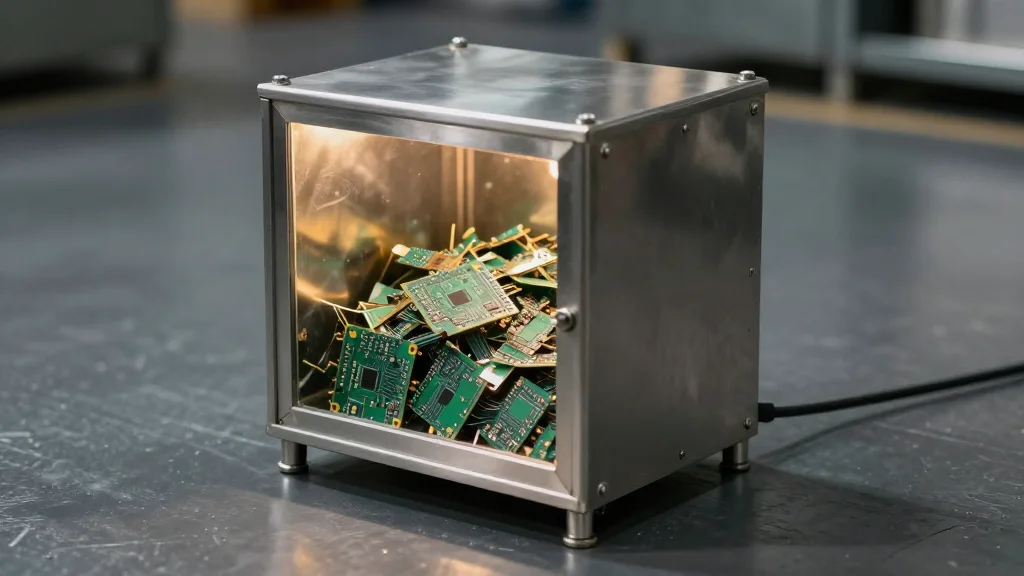
DEScycle Technology Being Tested by Cisco
Why It Matters
The trial could prove that major tech firms can secure critical metal supplies while slashing energy use and waste, reshaping the electronics recycling landscape. Success would accelerate adoption of decentralized recovery, reducing supply‑chain risk for AI‑driven hardware.
Key Takeaways
- •Cisco testing DEScycle's modular PCB recycling at UK demo plant.
- •Trial targets high recovery of gold, copper, palladium, rare earths.
- •Distributed processing aims to cut capital and energy costs versus smelting.
- •Successful data could integrate into Cisco's reverse supply chain.
- •Supports circular economy and secures critical metal supply for AI hardware.
Pulse Analysis
Electronic waste is a growing source of valuable metals, yet traditional smelting remains capital‑heavy, energy‑intensive, and geographically concentrated. As AI, electrification, and advanced manufacturing drive demand for copper, gold, palladium and rare‑earth elements, the industry faces pressure to find more sustainable, cost‑effective extraction methods. Circular‑economy initiatives are gaining traction, but scaling them requires technologies that can operate close to the point of generation, minimizing transport and emissions.
DEScycle’s platform promises exactly that: a modular, container‑based system that can be deployed near PCB generation sites. By breaking down printed circuit boards into constituent metals in controlled batches, the technology aims to achieve recovery rates comparable to large‑scale smelters while using less energy and capital. Cisco’s involvement—both as a Series A investor and as a trial partner—provides a real‑world validation scenario. The UK demonstration plant will process Cisco‑originated scrap, delivering transparent performance metrics and traceability data that can be fed back into Cisco’s reverse‑logistics network, potentially redefining how the company handles end‑of‑life equipment.
If the pilot demonstrates economic viability, it could trigger broader adoption across the telecom and data‑center sectors, where PCB waste volumes are substantial. Distributed recycling would allow companies to secure critical metal supplies locally, reducing exposure to geopolitical supply shocks and volatile commodity prices. Moreover, the environmental benefits—lower carbon footprints and reduced landfill—align with corporate sustainability targets and emerging regulations. The DEScycle‑Cisco collaboration therefore represents a pivotal step toward a more resilient, circular electronics supply chain.
DEScycle technology being tested by Cisco
Comments
Want to join the conversation?
Loading comments...