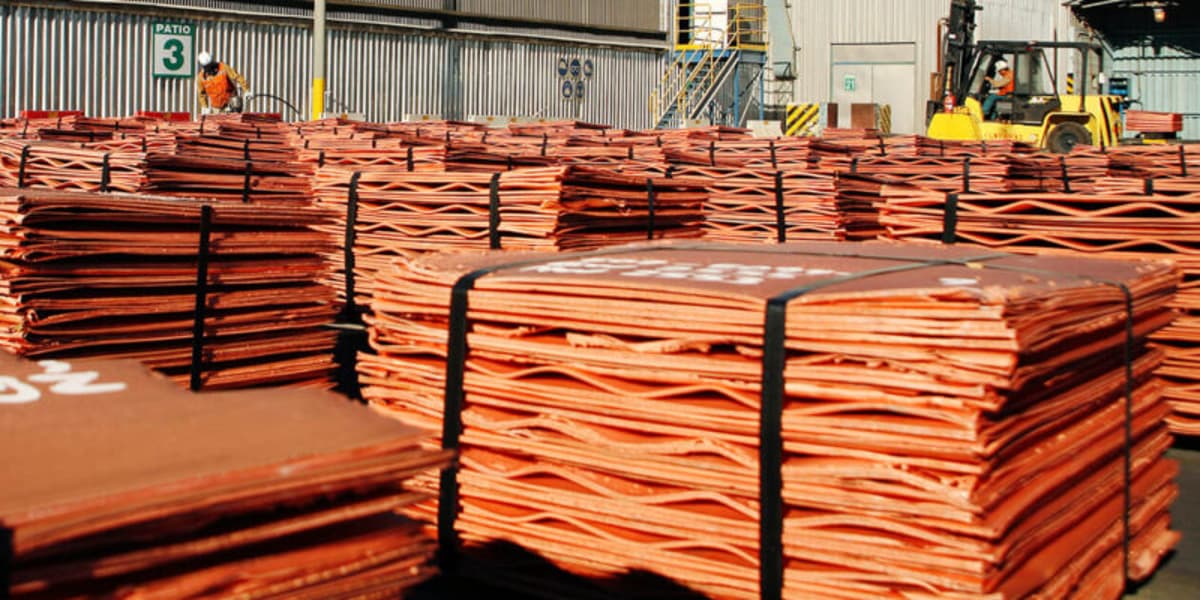
DRC and Zambia Emerge as Key Drivers of Global Copper Supply Amid Surging Demand
Companies Mentioned
Why It Matters
Rising copper demand fuels the energy transition, and the DRC‑Zambia corridor offers critical supply security for manufacturers and investors worldwide.
Key Takeaways
- •DRC holds Africa’s largest copper reserves, among world’s top four
- •Zambia aims >1 Mt output by 2026, 3 Mt by 2031
- •Copper demand surges from EVs, renewables, AI data centers
- •Five countries control >50% of 980 Mt global copper reserves
- •Supply constraints heighten strategic focus on Central African Copperbelt
Pulse Analysis
The global push toward electrification has turned copper into a strategic commodity. Electric‑vehicle batteries, offshore wind turbines, and AI‑powered data centres all require far more copper than traditional construction, driving annual demand growth of roughly 5‑6 percent. This surge has lifted copper prices to multi‑year highs, prompting miners to chase new sources. In that context, the Democratic Republic of the Congo and Zambia have become focal points: the DRC sits among the top four reserve holders worldwide, while Zambia is scaling production to exceed one million tonnes by 2026.
Yet expanding supply is increasingly costly. High‑grade ore bodies are depleting, and the remaining deposits often sit in remote, politically sensitive regions that demand substantial capital for infrastructure and environmental compliance. Both the DRC and Zambia face governance and logistics hurdles, but recent partnership deals—such as Gécamines’ joint ventures with major processors—signal a willingness to attract foreign financing. Modernizing the Central African Copperbelt will require not only investment in mining equipment but also in power, water, and community development to meet ESG expectations.
For investors, the tightening copper market translates into both risk and opportunity. Companies with secured access to DRC or Zambian output can hedge against price volatility, while junior miners that successfully navigate regulatory landscapes may capture outsized upside. Policymakers in consuming economies are also watching supply concentration; diversification strategies, including recycling and alternative materials, are gaining traction. As the energy transition accelerates, the strategic importance of African copper producers is set to grow, making the region a key barometer for the broader commodities cycle.
DRC and Zambia Emerge as Key Drivers of Global Copper Supply Amid Surging Demand
Comments
Want to join the conversation?
Loading comments...