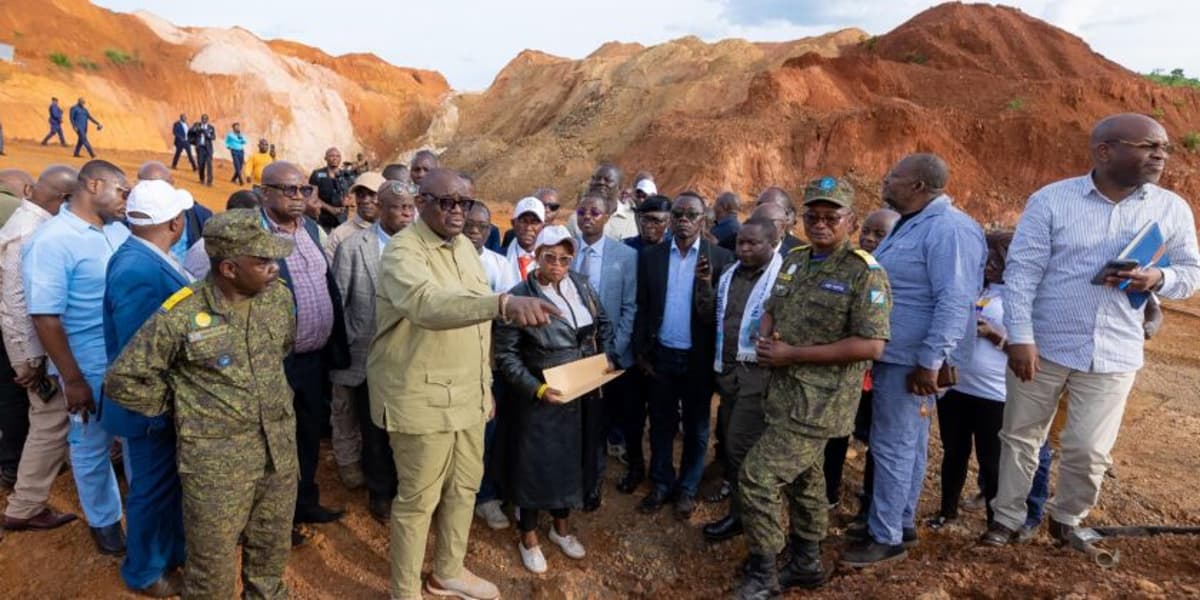
DRC Govt Cracks Down on Illegal Gold Mining in Ituri Amid Major Sector Reform Push
Why It Matters
By curbing illegal extraction, the DRC can reclaim lost tax revenue, reduce armed group financing, and lay groundwork for a more transparent mining sector that attracts legitimate investment.
Key Takeaways
- •Minister Kabamba ordered closure of illegal gold sites in Ituri
- •Heavy mining equipment seized for operating without permits
- •Reform agenda targets artisanal mining formalization and SOKIMO revitalization
- •Illegal mining deprives DRC of revenue and fuels insecurity
- •Enforcement aims to protect environment and improve community revenue sharing
Pulse Analysis
Gold mining accounts for a sizable share of the DRC’s export earnings, yet the sector has long been plagued by unregulated operations that siphon off state revenue and fund armed groups. In recent months, the government has intensified surveillance in Ituri, a region where artisanal and small‑scale mining intertwines with informal networks. The crackdown reflects a strategic shift from reactive policing to proactive governance, signaling to both domestic stakeholders and international partners that the DRC is serious about tightening the rule of law in its mineral-rich territories.
The minister’s field mission resulted in the immediate shutdown of multiple illegal pits and the confiscation of heavy machinery operating without permits. Such decisive action is expected to boost fiscal collections, as the government can now channel royalties and taxes that previously vanished into the informal economy. Moreover, by dismantling the operational base of foreign actors lacking legal titles, the state reduces the financial lifelines of rebel factions that have exploited mining sites for funding, thereby contributing to regional stability.
Beyond enforcement, the DRC’s broader reform blueprint seeks to formalize artisanal mining, strengthen the state‑owned mining company SOKIMO, and ensure a more equitable distribution of mining proceeds to local communities. Successful implementation will require sustained institutional capacity, transparent licensing processes, and credible revenue‑sharing mechanisms. If achieved, the reforms could unlock new foreign investment, improve environmental stewardship, and transform the mining sector into a catalyst for inclusive economic development.
DRC Govt Cracks Down on Illegal Gold Mining in Ituri Amid Major Sector Reform Push
Comments
Want to join the conversation?
Loading comments...