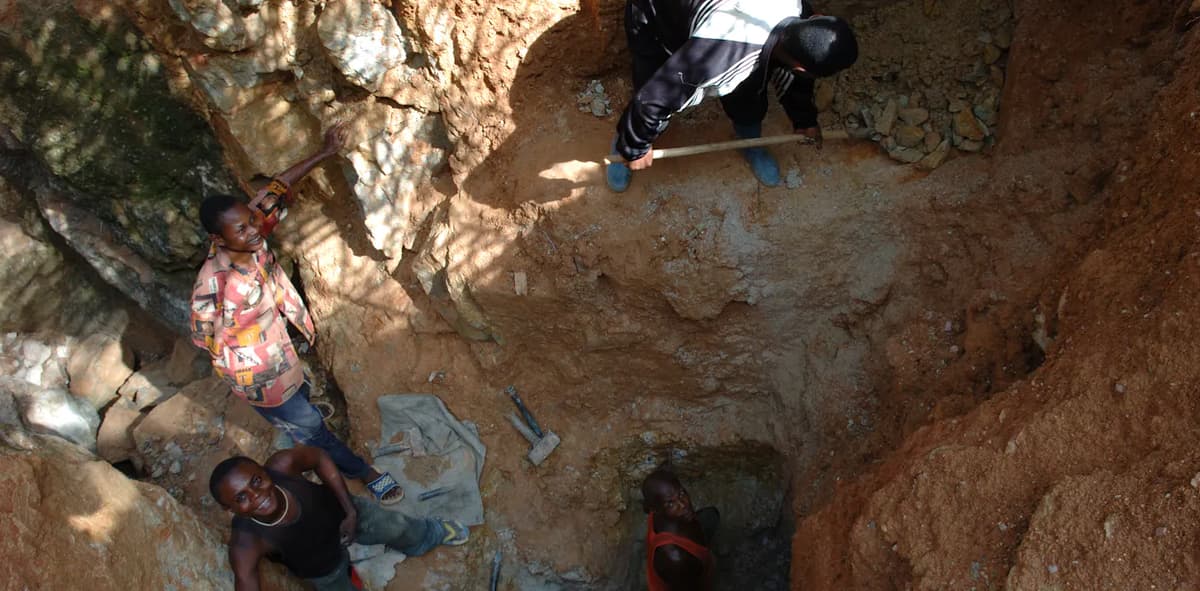
DRC Is Sending in the Military to Guard Mines and Critical Minerals. Will It Be Enough?
Why It Matters
Secure, transparent sourcing of DRC’s cobalt and copper is essential for EV and renewable‑energy supply chains, and the country’s ability to deliver it will shape global market confidence.
Key Takeaways
- •DRC to deploy up to 20,000 paramilitary miners by 2028.
- •US and UAE fund the new mining guard unit.
- •Security focus may not fix weak enforcement of mining code.
- •Armed groups currently profit from illegal cobalt and copper trade.
- •Transparent traceability needed for EV battery supply chains.
Pulse Analysis
The Democratic Republic of Congo sits at the heart of the global energy transition, supplying roughly 75% of the world’s cobalt and significant volumes of copper, gold and other battery‑grade minerals. As automakers and renewable‑energy firms race to meet ambitious emissions targets, the geopolitical stakes have intensified, prompting the United States and the United Arab Emirates to back a new paramilitary mining guard. By promising a force of up to 20,000 personnel, the DRC hopes to stem illegal extraction, protect transport routes, and reassure investors that its supply chains can meet stringent ESG standards.
Historically, the DRC has relied on private security firms and national troops to police mining districts, but those efforts have been marred by corruption, human‑rights abuses, and collusion with armed groups. The proposed guard, overseen by the General Inspectorate of Mines, is designed to replace these unreliable actors, reduce smuggling, and enhance traceability through tighter oversight. Yet the initiative arrives amid persistent weaknesses in the 2018 Mining Code—particularly in enforcement, community consent and environmental monitoring—raising doubts about whether a security‑first approach can deliver lasting reform.
For multinational corporations, the DRC’s governance trajectory will dictate access to a critical resource base. Investors are increasingly required by OECD‑driven due‑diligence frameworks to verify the provenance of minerals, and any lapse in transparency can trigger supply‑chain disruptions and reputational risk. Strengthening legal accountability, empowering local communities, and ensuring independent monitoring are essential complements to the new guard. Only a holistic upgrade of both security and regulatory enforcement will allow the DRC to sustain its pivotal role in the global battery market.
DRC is sending in the military to guard mines and critical minerals. Will it be enough?
Comments
Want to join the conversation?
Loading comments...