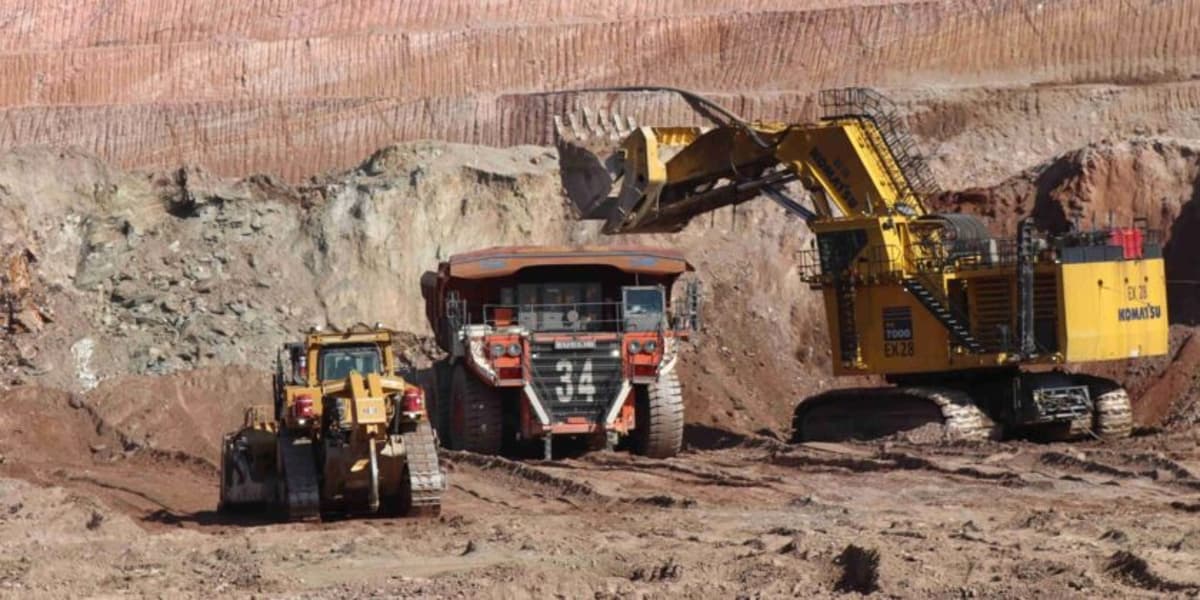
DRC Plans New Copper Megaproject in Greater Kasai With Integrated Energy Infrastructure
Why It Matters
By shifting production away from the traditional Katanga belt, the project could generate thousands of jobs and reduce the DRC’s reliance on a single mining corridor, while the dedicated power infrastructure strengthens energy security for industrial expansion.
Key Takeaways
- •Copper output target: 200‑500 kt annually
- •Hybrid hydro‑solar plant planned at 250‑500 MW capacity
- •Project aims to create thousands of direct and indirect jobs
- •Diversifies mining from Katanga to Greater Kasai region
- •Backed by President Tshisekedi, fast‑track government support
Pulse Analysis
The Democratic Republic of Congo has long been synonymous with copper and cobalt extraction in its historic Katanga basin, which supplies roughly 70% of the nation’s copper output. Yet the concentration of mines in Lualaba and Haut‑Katanga has left other provinces under‑invested, prompting Kinshasa to pursue a geographic shift. Greater Kasai, rich in untapped mineral deposits, now sits at the center of a strategic push to broaden the country’s resource base and mitigate regional economic imbalances.
The centerpiece of the new initiative is a partnership with China Railway Resources Universal Ltd., which will develop an industrial‑scale copper operation capable of producing up to half a million tonnes annually. Such capacity would rank the project alongside the DRC’s flagship mines and could lift national copper output toward the 2‑million‑tonne mark projected for the next decade. Crucially, the plan embeds a 250‑500 MW hybrid hydro‑solar power facility, designed to supply reliable electricity to the mine and the surrounding grid. By coupling renewable generation with hydroelectric resources, the project aims to address chronic power shortages that have historically hampered mining efficiency and increased reliance on diesel generators.
If realized, the venture promises a cascade of economic benefits: thousands of direct and indirect jobs, new supply‑chain opportunities, and a stimulus for ancillary services such as transport and construction. Government backing, highlighted by President Tshisekedi’s personal endorsement, signals a fast‑track regulatory environment that could attract further foreign investment. However, the project also faces challenges, including land‑use negotiations, environmental safeguards, and the need to integrate the power plant into an often‑fragile grid. Successful execution would not only cement the DRC’s status as a global copper supplier but also demonstrate a model for resource‑linked infrastructure development in emerging markets.
DRC Plans New Copper Megaproject in Greater Kasai With Integrated Energy Infrastructure
Comments
Want to join the conversation?
Loading comments...